A dead phone at the wrong moment ruins everything from morning commutes to long-haul flights. You want a phone or a backup charger that holds enough charge to actually carry you through a demanding day. This roundup pairs phones with built-in 5000mAh cells alongside the portable banks that refill them, so you can match endurance to your routine.
The Choices Worth Comparing
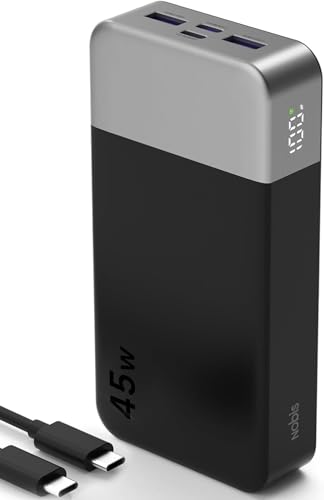
NOBIS 45W 20000mAh Power Bank

NOBIS 20000mAh Power Bank 45W
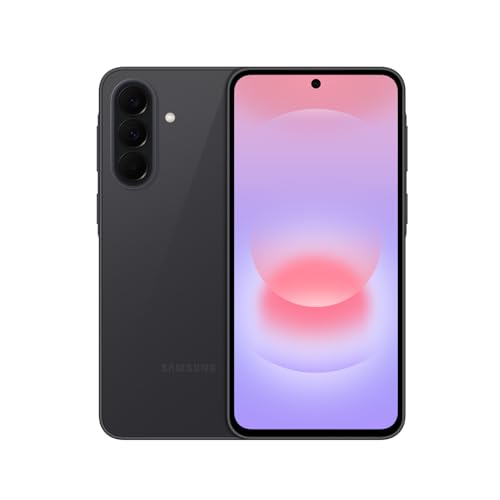
Samsung Galaxy A37 5G (2026) 128GB

Realme C21Y 64GB Dual SIM

ULiXWH 10,000mAh MagSafe Power Bank
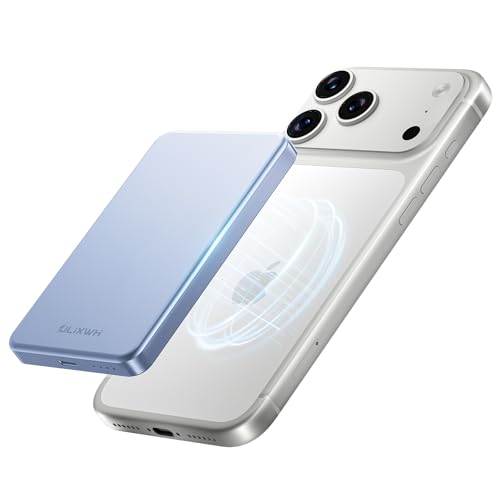
ULiXWH 10,000mAh MagSafe Metal-Alloy

Samsung Galaxy S25 Ultra 512GB
More Details On Our Top Picks
Heading out for a long weekend or a back-to-back work trip means your phone needs more than a quick top-up. The NOBIS 20000mAh Power Bank carries enough reserve to refill most phones roughly three and a half times over. Its 45W USB-C output (the watt rating that controls how fast power flows to your device) pushes a typical smartphone close to 60% in roughly half an hour, which is genuinely useful between flights or before a client meeting.
For most travelers, the appeal is also the recharge speed. With 45W input on the same port, the brick itself refills in around two hours, so you spend less time parked near an outlet. The shell is plain and rectangular, easy to slip into a laptop sleeve, and the port layout covers the cables most people already carry.
Where It Delivers
- 20,000mAh reservoir covers a multi-day stretch without needing mains power.
- 45W output cuts waiting time on phones that support high-speed USB-C charging.
- Two-way fast input means the bank itself refills quickly between uses.
- Universal USB-C compatibility keeps cable clutter down across laptops, phones, and tablets.
Things To Consider
- At 20,000mAh, it tips the scales compared with the slimmer picks later in this list.
- You may find the 45W ceiling only useful if your phone actually negotiates that speed.
Feature Snapshot
Built With In Mind
Travelers and field workers who spend stretches away from wall outlets and want a single brick that can cover phones, earbuds, and a tablet.
Consider Something Else When
Pick the ULiXWH 10,000mAh MagSafe Power Bank instead if pocket-friendly magnetic charging on a shorter outing matters more than raw capacity.
The second NOBIS on this list reads like a sibling rather than a twin. You get the same 20,000mAh reserve and the same 45W USB-C ceiling, so in practice the charging math matches the first pick almost beat for beat. That makes this version a sensible backup if availability shifts or you simply prefer the alternate listing.
For commuters who top up between trains, the experience is straightforward. The USB-C port pulls double duty for input and output, the brick refills itself in about two hours, and a typical phone still climbs toward 60% inside half an hour on the cable.
What It Does Well
- Identical 45W output and 20,000mAh capacity as the sibling model.
- Two-way fast charging keeps the bank and your phone moving in parallel.
- Compact enough for a daily backpack without dominating the space.
Trade Offs
- Owners commonly report that the included cable is short, so a longer USB-C lead is a worthwhile add-on.
- No built-in cable management means you’ll want a small pouch for accessories.
Whose Shelf It Belongs On
Commuters and shift workers who already own quality cables and want a familiar 20,000mAh brick they can rely on day after day.
Look Elsewhere When
Reach for the Samsung Galaxy S25 Ultra 512GB if you’d rather carry a flagship phone with a 5000mAh cell built in instead of a separate bank.
Mid-range Android buyers used to accept a sluggish screen or a fragile body just to get long battery life. The Galaxy A37 5G turns that script around, pairing a 5000mAh cell with a 6.7-inch Super AMOLED panel and IP68 sealing against dust and water. The combination matters for anyone who watches video on the train, takes calls by the pool, or works outdoors.
Unlocked Android flexibility means you can pair it with the carrier you already use, and the slim chassis feels manageable for long scrolling sessions. For most daily users, the package reads as a comfortable everyday phone rather than a specialist tool.
Good Reasons To Consider
- Built-in 5000mAh battery removes the daily hunt for a charger.
- IP68 rating handles rain, splashes, and dusty environments without panic.
- Super AMOLED display gives bright color and deep contrast for video and maps.
- Unlocked status supports flexible carrier choices for travelers.
Potential Drawbacks
- Triple-camera array is capable but not flagship-grade in low light.
- Heavy social-media users may still want a slim 10,000mAh bank for festival weekends.
Quick Facts
The Right Fit
Everyday Android users who want reliable battery life, a quality display, and water resistance without stepping up to flagship pricing.
A Better Fit Elsewhere
Step up to the Samsung Galaxy S25 Ultra 512GB if you want a built-in S Pen, faster Snapdragon silicon, and a more advanced camera system.
The Realme C21Y is a study in what a phone can still do when the budget stays tight. A 5000mAh cell anchors the spec sheet, paired with a 6.5-inch HD+ display and an instant fingerprint reader on the back. Light users who mostly text, call, stream music, and check maps will find this handset surprisingly capable.
The dual SIM tray is a quiet win for anyone juggling a work line and a personal line on the same device. Network compatibility is the main filter, so you’ll want to confirm band support with your carrier before committing. The included fast car charger is a small bonus that offsets one of the usual frustrations of value-tier phones.
Useful Touches
- 5000mAh cell easily covers a full day of calls, music, and light browsing.
- Dual SIM support simplifies separating work and personal numbers.
- Rear fingerprint reader unlocks quickly without fussing with face recognition.
- Bundled fast car charger adds real convenience for commuters.
A Few Limitations
- HD+ resolution looks softer than the AMOLED panels on higher-tier picks.
- Global 4G LTE variant may not match every US carrier band, so verify before you buy.
Key Product Details
Made For
Light users, first-time smartphone owners, and anyone needing a long-lasting secondary line without paying flagship money.
Skip It When
The Samsung Galaxy A37 5G (2026) 128GB is the smarter choice if you want water resistance, AMOLED clarity, and stronger long-term carrier support in the US.
Pocket power banks usually force a trade-off: small and weak, or big and bulky. The ULiXWH 10,000mAh MagSafe unit aims at the middle, holding roughly two and a bit iPhone charges in a slim 0.55-inch shell. The magnetic alignment (MagSafe is Apple’s magnetic ring system that snaps accessories into place on the back of the phone) means you just slap it on the back of a compatible phone and keep using it.
For most day-to-day users, the appeal is hands-free charging on the move. You don’t need to fish out a cable, and the bank stays attached while you scroll or take calls. It also helps that the lithium-polymer cell stays cool under load.
What Stands Out
- 10,000mAh capacity in a genuinely pocket-friendly footprint.
- Magnetic alignment keeps the bank attached during normal phone use.
- Wireless fast charging reduces cable dependency on short trips.
- Internal NTC temperature monitoring (a sensor that watches heat levels during charging) protects the cell.
Worth Bearing In Mind
- Wireless charging is slower than a 45W USB-C cable from the NOBIS banks.
- Magnetic fit works best with MagSafe-compatible phones or cases.
Feature Rundown
Best Suited To
Commuters and travelers with MagSafe-compatible phones who want cable-free top-ups during a workday or short trip.
Another Choice May Suit
Pick the NOBIS 45W 20000mAh Power Bank instead if you need multi-day capacity or wired 45W speed for a laptop.
The metal-alloy sibling to the previous ULiXWH trades a touch of weight for a noticeably more grown-up feel. You still get the 10,000mAh reservoir and the slim 0.55-inch profile, but the shell now reads more like a piece of everyday carry than a gadget. For style-minded users, that detail alone can be the deciding factor.
In real-world use, the difference shows up in hand feel and on a desk. The magnetic alignment still snaps cleanly onto MagSafe-compatible phones, and the lithium-polymer cell behaves consistently during wireless top-ups.
Well-Handled Touches
- Metal-alloy chassis feels premium compared with typical plastic banks.
- 10,000mAh capacity hits the sweet spot for short trips and daily top-ups.
- Magnetic wireless charging keeps the experience cable-free.
- Slim profile slips into a jacket pocket or a small crossbody bag.
Small Caveats
- Metal shell adds a bit of heft versus the standard plastic ULiXWH version.
- Charging speed still trails wired 45W banks for impatient users.
Who Should Grab It
Style-conscious travelers who want a power bank that looks at home next to a leather wallet or a slim laptop sleeve.
Swap It Out When
The Realme C21Y 64GB Dual SIM is a better match if you’d rather carry the battery inside the device itself and skip the bank entirely on light days.
Flagship buyers expect a phone that does everything well, and the Galaxy S25 Ultra leans into that brief. A 5000mAh battery keeps the lights on through demanding days, while the Snapdragon 8 Elite processor (Qualcomm’s top-tier mobile chip, built for sustained AI and gaming loads) drives the AI camera system, multitasking, and the built-in S Pen.
The 512GB storage tier leaves room for 4K video, offline playlists, and large work files without constant cloud cleanup. For most power users, the experience centers on productivity and creative capture rather than just screen time.
What Makes Sense
- 5000mAh battery matches a full workday of heavy mixed use.
- Snapdragon 8 Elite silicon handles AI tools, gaming, and editing without lag.
- Built-in S Pen supports note-taking, sketching, and precise editing on the fly.
- AI Night Mode camera pulls usable detail out of low-light scenes.
- 512GB storage removes the constant juggling of cloud and local files.
Things To Weigh
- Premium hardware commands a premium price tag that not every shopper needs.
- Owners commonly note the large size takes adjustment for one-handed reach.
Specification Snapshot
Perfect Match For
Pro mobile users, content creators, and frequent travelers who want a flagship phone with a built-in stylus and battery to spare.
Reach For A Different Pick When
The Samsung Galaxy A37 5G (2026) 128GB delivers a 5000mAh cell and IP68 sealing at a far friendlier price for everyday users.
Matching Endurance to Your Daily Routine
A 5000mAh cell sounds identical on paper, but real-world endurance depends on display type, processor efficiency, and how you actually use the phone. AMOLED panels (screens that light each pixel individually for richer contrast) sip less power on dark interfaces, while LCD screens stay brighter for outdoor reading. Either way, a 5000mAh battery inside a mid-range phone usually clears a full day, and a flagship like the Galaxy S25 Ultra can stretch further thanks to more efficient silicon.
Capacity is only one piece of the puzzle. Charging speed matters just as much when you’re racing between meetings. The 45W output on the NOBIS banks hits the sweet spot for USB-C phones, while MagSafe units trade raw wattage for cable-free convenience. Your daily pattern should drive the call: long-haul travelers need the 20,000mAh bricks, city commuters usually fit comfortably with a 10,000mAh magnetic bank.
Reading the Labels That Matter
Watts tell you how fast power moves. A 45W port refills a phone far quicker than the 7.5W wireless rate used by most MagSafe banks, but only if the phone itself negotiates that higher speed. IP ratings (the two-digit ingress protection code after “IP”) describe dust and water resistance; IP68 means the phone can handle splashes and brief immersion, which is enough for most accidents but not for swimming. Carrier bands matter on unlocked phones, especially global models, so always check that the bands match your network before committing.
Picking Between a Built-In Cell and a Power Bank
Phones keep things simple. One device, one battery, one cable, and you’re done. Power banks add flexibility. The NOBIS 20000mAh units refill a phone several times, which matters on camping trips or long flights, but they add weight and another thing to charge. A practical approach is to pair a phone with a 5000mAh cell for daily life and a smaller 10,000mAh MagSafe bank for the occasional heavy day.
Understanding Fast-Charging Standards
Fast charging comes in several flavors, and the wrong cable can silently drop you to slow speeds. USB Power Delivery (USB-PD) is the broad standard most USB-C phones and laptops use, and 45W sits comfortably inside it. Quick Charge is Qualcomm’s own standard, common on Snapdragon phones. MagSafe wireless charging tops out lower than wired USB-PD but trades peak speed for the convenience of snap-on alignment.
Things to Think Through Before You Click
Pitfalls trip up plenty of shoppers in this category. A common mistake is chasing raw capacity without checking weight. A 20,000mAh brick is wonderful on paper, but if it never leaves the house because it’s heavy, you’ve wasted the purchase. Another trap is buying a wireless MagSafe bank for a phone without magnetic alignment, which forces you back to cables and defeats the point. Confirm your phone supports the magnetic ring or use a MagSafe-compatible case before committing.
Band compatibility is the quiet killer on global or international phone models. The Realme C21Y’s 4G LTE bands work on T-Mobile and Metro, but not every US carrier, so verify before checkout. The same applies to older flagships: even a phone with a great 5000mAh cell can disappoint if it drops to 3G in your area.
Premium pricing on the Galaxy S25 Ultra pays for the Snapdragon 8 Elite processor, the built-in S Pen, and the AI camera system. For most people, the step up makes sense only if you genuinely use those features. If your phone life centers on messaging, maps, and streaming, the Galaxy A37 5G delivers nearly all the battery endurance at a fraction of the cost. Spending more earns real capability, not just a shinier logo.
Frequently Asked Questions
How long does a 5000mAh battery actually last?
A 5000mAh cell typically powers a mid-range phone through a full day of mixed calling, browsing, and streaming. Heavy gaming or constant video can drain it faster, while light users often stretch into a second day.
Is 45W fast charging worth it on a power bank?
For USB-C phones that support USB-PD at 45W, yes. The faster input and output cut waiting time dramatically. If your phone only draws 18W, the extra headroom won’t change much in daily charging speed.
Do MagSafe power banks work with non-iPhone phones?
MagSafe is Apple’s magnetic system, so alignment only works natively on iPhones with MagSafe or on Android phones with a magnetic case. Standard wireless charging still functions without the magnetic snap.
What’s the real difference between 10,000mAh and 20,000mAh banks?
A 10,000mAh bank typically covers two phone refills and fits in a pocket. A 20,000mAh bank covers three to four refills but adds noticeable weight and bulk, making it better for trips than daily carry.
Can I take a large power bank on a plane?
Most airlines accept power banks under 100Wh in carry-on luggage, which covers 20,000mAh units comfortably. Anything larger usually requires airline approval, so check your carrier’s policy before flying.
Closing Remarks
Endurance matters more than specs sheets suggest, and the right pick depends on how your day actually looks. Heavy travelers benefit most from a 20,000mAh bank, while everyday users often do better with a phone that already carries a 5000mAh cell. Pick the option that matches your routine, and you’ll stop thinking about battery life entirely.