The right 3.7v cell keeps cameras shooting through a wedding, sensors reporting during a deep freeze, and heated jackets warm across an eight-hour shift. Voltage gets tossed around loosely online, so a 3.7V nominal rating on a lithium-ion cell really means a working range from about 3.0V empty to 4.2V full, while a 3.6V lithium thionyl chloride primary cell delivers a flat curve that holds near 3.6V for most of its life. That distinction matters: pick the wrong chemistry, and your device either drops out early or refuses to wake up.
This lineup crosses camera batteries, alarm backups, heated-apparel power banks, industrial primary cells, and small rechargeable coin cells. Each pick is matched to the kind of gear that actually needs it, not just to a number on a spec sheet.
The Leading Options At A Glance

SMALLRIG NP-FZ100 Camera Battery for Sony
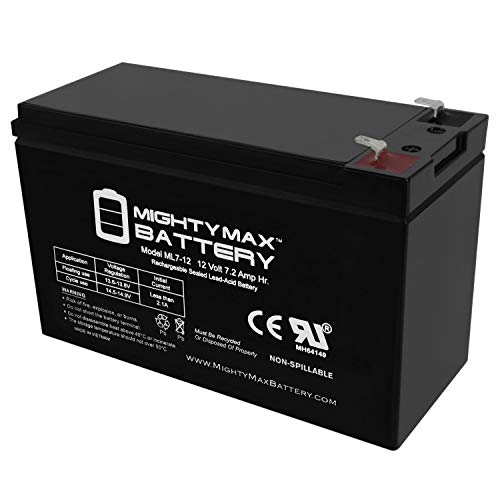
Mighty Max 12V 7Ah SLA Replacement Battery

Venustas 7.4V/12V Battery Pack for Heated Apparel

EEMB ER18505 3.6V A Size 4100mAh Single Cell

EEMB ER18505 3.6V Lithium 4100mAh 4-Pack

EEMB ER18505 3.6V 4100mAh 10-Pack

EEMB 6-Pack ER18505 3.6V 4100mAh Cells

EEMB Rechargeable 3.6V/3.7V Coin Cell 40mAh 4-Pack

EEMB 1254 Rechargeable 3.7V/3.6V CP1254 65mAh 4-Pack

EEMB LIR2450 3.7V Coin Button Cell 120mAh 4-Pack
Taking A Closer Look At The Options
Sony shooters running A7-series bodies often learn the hard way that factory NP-FZ100 packs cost more than the lens cap you forgot at the wedding venue. The SMALLRIG NP-FZ100 clone keeps the form factor and exposes the same Z-mount contacts, so it drops into the grip and reports correctly in the body menu. Compared with the industrial EEMB cells further down this list, this one is purpose-built for cameras, which means the protection circuit expects burst current from continuous autofocus and 4K recording, not a slow sensor trickle.
USB-C charging on the cell itself is the quiet win. In most studios, you can top off between setups using the same cable that charges your phone or microphone, no separate dual charger required.
What Helps Most
- Five-stage LED gauge shows remaining charge at a glance, removing the guesswork during long event coverage.
- 2520mAh capacity runs close to OEM output for typical hybrid stills-and-video sessions.
- Direct USB-C input means fewer cables to pack for travel days.
- Low-battery warning helps avoid sudden shutdowns mid-interview or during a bracket sequence.
Honest Caveats
- Third-party Z-type packs occasionally trigger a firmware warning on newer bodies, so verifying compatibility before a paid shoot matters.
- Cell-level charging is convenient but slower than a dedicated dual charger if you carry two packs and need both topped at once.
Best Suited To
Wedding, event, and travel photographers running Sony A7 IV or newer bodies who want a second battery that reports in the menu and charges from any USB-C cable.
Skip It When
The Venustas 7.4V/12V Battery Pack suits you better if your main power need is heated apparel rather than a mirrorless body.
The ML7-12 from Mighty Max is the drop-in SLA (sealed lead-acid) cell that keeps a home alarm panel alive through short outages. Unlike the lithium cells elsewhere in this list, this is an older AGM (absorbent glass mat) chemistry, meaning it tolerates being kept on float charge for months inside a panel cabinet without harm. The compact 5.90 x 2.50 x 3.90 inch footprint matches the common F1-terminal alarm form factor, so installation is a two-spade swap in most systems.
For most homeowners, this is the forgotten battery behind the metal door in a closet. You replace it every three to five years and never think about it again.
Useful Strengths
- Sealed, spill-proof construction lets it sit in any orientation inside a wall-mounted panel.
- Wide operating temperature range keeps the panel reporting during attic heat or unheated garage cold.
- High discharge rate suits the short, sharp draw of a siren during a triggered event.
- Long service life on float charge means fewer ladder trips over a decade.
Trade-Offs
- Lead-acid chemistry weighs noticeably more per amp-hour than the lithium packs in this list, so check your panel’s mounting bracket.
- No wire harness or mounting hardware ships in the box, so reuse the existing lugs and tray from the previous battery.
Built With In Mind
Homeowners replacing a tired alarm backup on a wired ADT or similar panel who want a like-for-like swap without reprogramming the system.
Swap It Out When
The SMALLRIG NP-FZ100 Camera Battery for Sony is the better pick if your project is camera power, since SLA chemistry is overkill for handheld electronics.
Heated apparel chews through small 5V USB packs in a couple of hours because the jackets pull at 7.4V or 12V for proper warmth. Venustas designed this 74Wh power bank for that exact job. The dual-voltage output (7.4V and 12V) matches how most modern heated vests, jackets, and hoodies are wired, so you swap the included pack into the dedicated battery pocket without adapters. The 20000mAh-at-3.7V rating is industry shorthand for the same 74Wh cell capacity, the value airlines use to decide whether the pack can ride in your carry-on.
This is the pick for anyone whose workday happens below freezing: mail carriers, early-morning dog walkers, ski instructors, motorcyclists in shoulder seasons.
Key Advantages
- Native 7.4V and 12V outputs match heated apparel without risky step-up hacks.
- 74Wh capacity lands at the airline carry-on cap, so weekend trips stay simple.
- Compact brick fits inside the zippered battery pocket of most current heated jackets.
Soft Spots
- Charging the pack from empty takes several hours on a 20V-class wall brick, so nightly top-up matters before cold shifts.
- The pack is sized for Venustas-brand garments and a handful of others, so confirm the connector and pocket dimensions before ordering if you wear a different brand.
Quick Facts
Who Should Grab It
Outdoor workers, motorcyclists, and winter recreation enthusiasts who already own (or plan to buy) a Venustas-compatible heated jacket and need a multi-hour runtime source.
Another Choice May Suit
The Mighty Max 12V 7Ah SLA Replacement Battery is a stronger fit for stationary alarm backup, since that application never leaves the wall.
The ER18505 is the A-size cylindrical format, a specific industrial cell measuring about 18.5 x 50.5mm. EEMB builds it with lithium thionyl chloride (Li-SOCl₂), a primary chemistry that delivers an unusually flat discharge curve. That means a utility meter or remote sensor sees close to 3.6V for the entire service life, instead of the gradual voltage sag common with alkaline cells. The single-cell format works for a one-off replacement on a meter you service today, but for a fleet swap you would move to the multi-pack option reviewed later.
Operating range runs from -55°C to +85°C, so the cell works in unheated pump houses, freezer rooms, and rooftop telemetry boxes. That kind of envelope is rare at this capacity.
Where It Delivers
- Flat discharge curve keeps sensor calibration honest across the entire cell life.
- 4100mAh rating at low draw supports multi-year deployments in metering gear.
- Wide temperature envelope handles outdoor and freezer installations.
Honest Caveats
- This is a non-rechargeable primary cell, so the “do not charge” warning on the label must be respected to avoid venting.
- Passivation (a thin protective layer that forms in storage) can cause a brief voltage delay on first use after long shelf time.
Feature Snapshot
Made For
Field technicians servicing AMI water meters, gas loggers, or alarm sensors where a flat voltage curve and multi-year life matter more than rechargeability.
Consider Something Else When
The EEMB 2025 Rechargeable Coin Cell 40mAh 4-Pack suits a wearable or remote better if the host device can recharge internally and you would rather avoid primary-cell disposal.
The same ER18505 chemistry and capacity, bundled four to a pack. For facility maintenance crews running a route, that means one order replaces four service calls before you even think about reordering. Compared with the single-cell option reviewed earlier, this 4-pack lands at a lower cost per cell, which matters when your spares shelf needs to stay stocked for whatever the next truck roll turns up.
You still get the same flat discharge curve and wide temperature envelope, so the cells behave identically once installed.
What Makes Sense
- Lower per-cell cost than buying singles for multi-site service work.
- Same 4100mAh flat-curve behavior as the single-pack version.
- Bulk format keeps a fresh cell ready for the next sensor swap.
Points To Note
- Primary cells cannot be recharged, so rotate stock FIFO (first in, first out) if your service rate is slow.
- Storage at room temperature preserves capacity better than a hot truck cab.
Whose Shelf It Belongs On
Maintenance technicians and small facility teams who rotate ER18505 cells through metering and alarm hardware every quarter.
A Better Fit Elsewhere
The Venustas 7.4V/12V Battery Pack for Heated Apparel fits better for outdoor cold-weather wear, since that application wants a rechargeable high-capacity source.
The 10-pack is the right size for industrial rollouts: think new construction sensor grids, building automation retrofits, or a small municipality moving a fleet of legacy meters to lithium primaries. Same ER18505 cell, same 4100mAh rating, same operating envelope as the singles. The trade-off is shelf space; ten A-size cells take real drawer depth, so plan your storage.
For one-off home use, this is overkill. For a job, it’s exactly right.
Bright Spots
- Lowest per-cell cost among the ER18505 SKUs in this list.
- Bulk format suits a single installation with many identical sensors.
- Stable flat curve across the full pack simplifies deployment planning.
Where It May Fall Short
- Excess inventory ties up cash if your project schedule slips, since primary cells have a long but finite shelf life.
- Shipping a 10-pack of lithium primaries involves carrier hazier surcharges that may offset the per-cell savings.
Right Fit For
System integrators and contractors building sensor networks at scale who need matched cells from a single production batch.
Reach For A Different Pick When
The EEMB 6-Pack ER18505 fits a smaller retrofit where ten cells would be too many and one pack would not be enough.
The 6-pack splits the difference between single-cell and the 10-pack: enough cells to handle a multi-sensor retrofit, small enough to fit in a kitchen drawer. EEMB publishes the same RoHS (Restriction of Hazardous Substances) and UN 38.3 (transport safety for lithium cells) certifications here as on the other ER18505 SKUs, with an additional UL file reference for the line. In plain terms, the cells meet the same transport and safety standards that get them accepted on commercial freight.
The 3.6V at 4100mAh rating lands close to a third-generation metering baseline, so this pack typically works in meters that previously shipped with a Tadiran or Saft equivalent.
Standout Benefits
- Mid-size format avoids the cost of the 10-pack while covering a 6-sensor job.
- Same wide temperature envelope as the larger packs, so winter deployments stay covered.
- Compatible form factor with most legacy A-size holders in industrial telemetry.
A Few Limitations
- Passivation after long storage can briefly delay voltage on first use, so warming the cell briefly can speed recovery.
- No dedicated holder ships with the pack, so reuse the existing battery clips in your device.
Perfect Match For
Hobbyist installers and small-business retrofitters moving a handful of sensors to lithium primaries in one weekend.
Look Elsewhere When
The SMALLRIG NP-FZ100 Camera Battery for Sony fits a mirrorless photographer better, since camera batteries need specific Z-mount contacts this industrial cell lacks.
Rechargeable coin cells like this EEMB 40mAh unit give small-format electronics a second life. The nominal 3.6V/3.7V class works in devices that specifically call for a rechargeable LIR-series cell (the lithium-ion rechargeable coin family), not a CR-series alkaline primary. Plug one into a CR2032 holder and the device often runs fine briefly, but the higher voltage will over-stress the host over time, so match the chemistry to the device, not just the size.
For DIY makers building custom remote controls, BLE beacons, or sensor nodes that need to recharge via USB, this is the building block that keeps the project off disposable cells.
Why It Works Well
- Rechargeable design avoids the waste stream of single-use coin cells.
- Compact 4-pack keeps a fresh charged cell on the bench for swap-and-go projects.
- Compatible with EEMB’s own charger ecosystem, which simplifies safe charging.
Potential Sticking Points
- Capacity is modest at 40mAh, so high-drain devices will need frequent top-ups.
- Coin cells need a purpose-built charger; improvised USB-C cords risk short-circuit events that can rupture the cell.
Who Will Love This
Makers, hobbyists, and small-batch IoT (Internet of Things) builders who want rechargeable coin cells in a known-good format.
Where Another Pick Suits Better
The EEMB ER18505 3.6V A Size 4100mAh Single Cell is the better pick for utility metering where a flat discharge curve and multi-year life matter more than rechargeability.
The LIR1254 form factor is a thin rechargeable cylinder, the kind you find inside slim wearables and rechargeable styli. Compared with the smaller 40mAh coin cell, this one trades a slightly thicker body for higher capacity at 65mAh. For most wearable and stylus use cases, that extra headroom means fewer charging cycles per week, which extends the cell’s overall service life.
Like the rest of the rechargeable coin and button family, charging has to happen on a dedicated cell charger, never improvised with random USB cords.
Benefits That Matter
- Higher 65mAh capacity stretches runtime between top-ups for small wearables.
- Rechargeable design keeps slim electronics out of the disposable-cell waste stream.
- 4-pack format suits multiple-device households or a small repair queue.
Trade-Offs To Consider
- Slim cylinder shape is host-specific, so confirm the holder dimensions before ordering.
- Capacity is still modest compared with cylindrical 18650 cells, so high-current draws are not this cell’s strength.
Made For
Hobbyists and repair-minded shoppers maintaining Bluetooth styli, slim key-fob finders, or rechargeable wearables that use the LIR1254 form factor.
Not Your Match When
The EEMB LIR2450 3.7V Coin Button Cell 120mAh 4-Pack is a stronger fit if your device takes a wider, higher-capacity coin footprint.
The LIR2450 is the heavyweight of this coin-cell family: 24.5mm diameter, 5.0mm thick, 120mAh capacity. Devices that host this footprint include some fitness trackers, medical peripherals, and rechargeable remote controls. Compared with the LIR1254 reviewed earlier, this cell trades a thicker body for triple the capacity, so a rechargeable wearable gets days rather than hours between charging sessions.
The 3.7V nominal voltage means it does not drop into a CR2450 host without verifying the device’s tolerance, since alkaline coin cells run at 3.0V, not 3.7V.
The Value In It
- Highest capacity among the rechargeable coin cells in this roundup.
- 4-pack format covers multiple devices or a year of repairs for one household.
- Rechargeable design suits daily-wear electronics where disposable cells get expensive fast.
Less Ideal Details
- Thicker 5.0mm height rules out slim holders designed for CR2032-class cells.
- Charging requires a purpose-built EEMB charger; using the wrong dock risks venting.
Who It Suits Best
Owners of rechargeable fitness trackers or medical peripherals who already use LIR2450 cells and want a small reserve on hand.
Skip It When
The Mighty Max 12V 7Ah SLA Replacement Battery suits a wall-mounted alarm panel better, since that role wants a sealed lead-acid backup, not a coin cell.
Matching The Right Cell To The Right Job
Picking a 3.7V battery starts with the chemistry, not the voltage. Lithium-ion rechargeables (the SMALLRIG, the Venustas, and the three EEMB coin/button cells) need a charging circuit and tolerate moderate draw. Lithium thionyl chloride primaries (the EEMB ER18505 family) deliver a flat output but cannot be recharged. Sealed lead-acid (the Mighty Max) is the right choice only when the host wants 12V and accepts the weight.
Capacity Vs Runtime In Real Terms
A 2520mAh camera cell runs a mirrorless body through a half-day shoot; a 74Wh heated-apparel pack runs a winter jacket for an entire shift. mAh alone does not tell the story, because watt-hours (Wh = volts x amp-hours) account for the voltage difference. For a camera, mAh matters because the body runs on the cell’s native voltage. For a power bank rated in mAh at 3.7V, divide by your device’s voltage to estimate runtime at the wall.
Form Factor And Physical Fit
The ER18505 family uses the A-size cylindrical standard, about 18.5mm in diameter and 50.5mm tall. Holders built for legacy Tadiran or Saft cells usually accept this footprint, but check the holder depth before installing in old equipment. Coin cells vary widely; the LIR1254 is a slim cylinder, the LIR2450 a thicker disc. Order the form factor your device actually accepts.
Temperature And Environment
The industrial ER18505 cells run from -55°C to +85°C, which makes them a strong fit for unheated telemetry boxes and outdoor metering. Rechargeable coin cells tolerate normal indoor temperatures well but lose significant capacity below freezing, so outdoor wearables in winter climates may need a primary backup.
Safety And Certification Basics
RoHS compliance restricts hazardous substances in the cell’s construction. UN 38.3 covers the transport test regime every commercial lithium cell must pass. UL certification, where listed, indicates the cell has been independently tested to UL standards. These certifications do not guarantee a specific runtime, but they tell you the cell has cleared basic safety checks for shipping and use.
Key Considerations Across These Picks
Pitfalls Shoppers Hit
Voltage confusion is the most common trap. A “3.7V” rechargeable lithium-ion cell actually sits between 3.0V and 4.2V across its discharge, while a “3.6V” lithium thionyl chloride primary delivers a flat curve near 3.6V for most of its life. Dropping one into a host designed for the other usually means either undervoltage warnings or premature cutoff. Always match the chemistry and nominal voltage to the device spec sheet.
Buying the wrong form factor is the next classic mistake. Holders for CR2032 coin cells do not accept LIR2450 button cells without verifying depth and contact spacing, and an A-size holder will not accept a smaller cylinder. Measure the existing battery or read the host manual before ordering, since returns on opened battery packs can be awkward.
Where The Extra Money Goes
Higher-tier rechargeable packs usually buy a more refined protection circuit, more accurate fuel gauging, and better cell binning. The SMALLRIG’s five-LED indicator costs more per cell than a no-name NP-FZ100 clone, because the gauge and accurate cell-level reporting add components. Premium industrial cells like the EEMB ER18505 line price in RoHS and UN 38.3 compliance plus batch-level documentation, which is what fleet operators need for audit trails. Paying more in this category generally buys verified safety and predictable performance, not extra capacity.
Frequently Asked Questions
What Is The Difference Between A 3.6V And A 3.7V Battery?
A 3.6V cell is typically a primary lithium thionyl chloride chemistry with a flat discharge curve near 3.6V for most of its life. A 3.7V cell is a rechargeable lithium-ion chemistry whose voltage ranges from about 3.0V empty to 4.2V full. The two are not interchangeable in most hosts.
Can I Use A 3.7V Rechargeable Battery In Place Of A 3.6V Primary?
In some low-drain hosts the swap works briefly, but the higher nominal voltage and the need for a charging circuit often confuse devices designed around a primary cell. Match the chemistry to the host, not just the number on the label.
How Long Does A 4100mAh ER18505 Cell Actually Last In A Sensor?
Run time depends entirely on the sensor’s draw. A water meter transmitting once a day may see 10+ years from a single cell; a high-frequency data logger may drain the same cell in months. Use the cell’s data sheet and your device’s average current draw to estimate.
Are These Cells Allowed In Carry-On Luggage?
Under most airline rules, lithium-ion cells under 100Wh (watt-hours) ride in carry-on without airline approval; the Venustas 74Wh pack sits below that limit. Primary lithium cells follow separate IATA (International Air Transport Association) rules and may require carrier approval for spares. Check your airline before flying with any lithium battery.
What Charger Do Rechargeable Coin Cells Need?
The EEMB rechargeable coin and button cells in this list require a charger built specifically for that cell chemistry and footprint. Generic USB cords without a proper charge controller risk over-voltage and cell venting.
Closing Remarks
The right 3.7V rechargeable battery depends entirely on the device it powers. Mirrorless shooters get the most from a USB-C camera cell with a visible fuel gauge, while maintenance crews want a multi-pack of industrial primaries that survive winter. Match the chemistry to the host, confirm the form factor, and the rest usually takes care of itself.