A 16V battery charger sits in a useful middle ground between a standard 12V tender and a full workshop-grade unit. You reach for one when a daily driver has been sitting too long, when an AGM pack needs a smarter top-up, or when you want to maintain a classic or performance vehicle at proper voltage without overcooking it. The picks below cover home garages, mobile techs, and small workshops, with options for both lead-acid and LiFePO4 chemistry. Skip the wrong charger and you risk sulfation, undercharged cells, or a battery that quietly dies on a cold morning. Choose well and you get reliable starts and longer battery life.
The Lineup, Simplified

AUTOOL EM355 Programming Power Supply 12V, ECU Programming Stable Voltage Power Supply 10.8–16V, Fast Smart Battery Charger
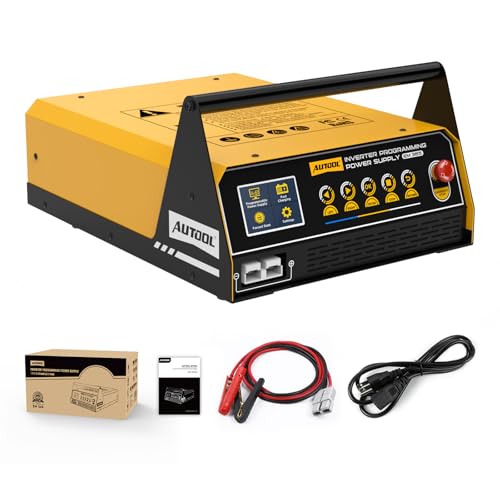
AUTOOL EM365 Inverter Programming Power Supply, Power Inverter for Car, 12V Automotive Battery Maintainer 400A

AUTOUTLET Upgraded 6/8/12/14/16/24V Battery Charger Automotive Smart Car Battery Charger and Trickle Maintainer 0-14A

AUTOUTLET Upgraded 8 Volt Battery Charger for Golf Cart Automotive Battery Charger and Maintainer 0-14A

AUTOUTLET 8V Car Battery Charger, 0-14A Fully Automatic 6/8/12/14/16/24V Lead-Acid Battery Charger and Maintainer
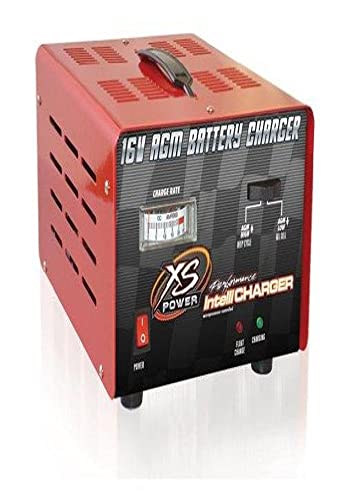
XS Power 1004 Car AGM Battery Charger with Integrated LED Indicators, Microprocessor Optimized 16V 20 Amp Intellicharger
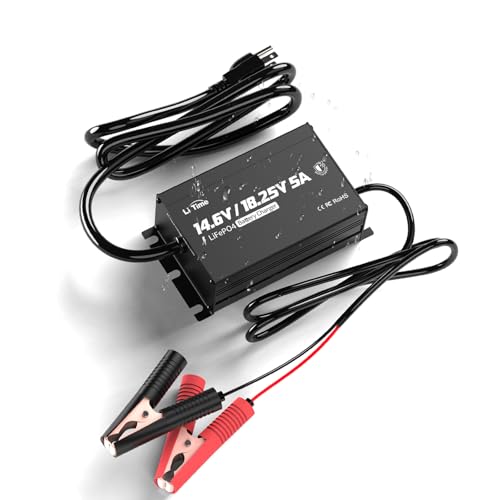
LiTime 12V/16V 5A LiFePO4 Battery Charger, Waterproof, 14.6V/18.25V Output

AUTOOL SVB208 Articulating Video Borescope, Endoscope Camera with Light, 6.25mm Ultra-Thin Probe, 4.3″ LCD, 8X Zoom

Battery Charger Multi-Voltage 6V/8V/12V/14V/16V/24V for Lead-Acid Batteries
The Details Behind The Selections
The AUTOOL EM355 earns the top slot because it solves a problem most cheap chargers ignore. ECU programming (re-flashing a vehicle’s engine computer) demands rock-steady voltage, and a sagging battery mid-flash can corrupt the calibration or brick a module. This unit delivers an adjustable 10.8 to 16V output, holding the line where alternators, jump packs, and tender-style chargers often waver.
It’s not only for tuners and dealership techs. The same hardware acts as a 3-stage pulse charger (a charging method that uses short bursts of current to break down sulfate buildup, then tops off with a controlled finishing stage), reviving tired lead-acid packs across standard flooded, AGM flat plate, AGM spiral, gel, and EFB (enhanced flooded battery, common in start-stop vehicles) chemistries. Owners commonly reach for it when a battery has sat through a long winter or a road-trip storage window.
What Earns Its Place
- Adjustable 10.8–16V output keeps voltage locked during long ECU flashing sessions.
- Three-stage pulse charging helps recover sulfated batteries that standard tenders abandon.
- Wide chemistry compatibility covers standard, AGM, gel, and EFB cells in one unit.
- Pulse repair mode can extend the working life of an aging pack by several months.
- Suitable for cars, SUVs, and light commercial vehicles without adapter swaps.
Things To Consider
- It’s a bench-style tool, so storage planning matters in smaller home garages.
- Documentation around maximum continuous current is thin, which may frustrate heavy shop use.
Feature Snapshot
Built With In Mind
Independent techs, dealership service writers, and serious DIYers who flash modules, code retrofits, or revive stored vehicles.
Skip It When
The AUTOOL EM365 is the better call for high-current shop use, since it delivers far heavier rated current for prolonged diagnostic sessions.
Where the EM355 is a precision instrument, the AUTOOL EM365 is a brute. It pairs battery maintainer duties with an inverter-style programming supply that pushes up to 400A rated current. That headroom matters when a tech is running headlamps, HVAC blowers, and infotainment during a long module flash, all of which draw from the same circuit the charger is trying to stabilize.
The adjustable 10.8–15V range is slightly tighter than the EM355, but multi-protection circuitry keeps the output honest. For mobile diagnostics, dealer bays, and high-load bench work, that 400A ceiling means you’re rarely the bottleneck.
Bright Spots
- 400A rated current handles programming while accessories stay live.
- Doubles as a maintainer, so a single tool covers storage and service work.
- Multi-protection design guards against the usual surge and short-circuit issues.
Worth Noting
- Heavier and bulkier than the EM355, so it’s less friendly for occasional home use.
- 400A is rated non-continuous, which matters if you plan to push it for hours.
Made For
Professional technicians and mobile diagnostic pros who need serious current headroom during ECU work.
Look Elsewhere When
The AUTOOL EM355 is the cleaner choice for occasional home programming, where its tighter voltage range and lighter bench footprint shine.
Garage owners with mixed vehicles appreciate this AUTOUTLET unit because six voltage settings live in one box. You can keep a 6V classic on a tender, top up a 12V daily, and revive an 8V golf cart pack without swapping gear. The 0–14A output adapts to battery size, holding smaller packs gently while still pushing current into bigger ones.
Built-in safety circuits cut the output on overcharge, over-voltage, and reverse polarity (where battery clamps are connected to the wrong terminals), with an LED warning that simplifies hookup checks. For shoppers juggling lawn tractors, motorcycles, and modern cars, it’s a versatile single-charger solution.
Positive Takeaways
- Six voltage modes cover most lead-acid packs in a residential garage.
- 0–14A adaptive output protects small batteries while still serving larger ones.
- Reverse polarity LED makes hookup errors obvious before any damage occurs.
- Trickle mode (a low, continuous current that keeps a battery topped off without overcharging it) suits long-term storage of seasonal vehicles.
Trade Offs
- Lead-acid only, so lithium owners need a different tool.
- Documentation around charging stage count is limited compared with some peers.
Best Suited To
Home mechanics maintaining a mixed fleet of classics, motorcycles, and everyday vehicles.
Swap It Out When
The Zustov multi-voltage unit is the alternative for shoppers who want broader chemistry support at a similar price tier.
Eight-volt golf cart batteries are stubborn. Most generic chargers either skip 8V entirely or treat it as an afterthought, forcing cart owners to chain multiple packs together. This AUTOUTLET model puts 8V front and center, while still covering 6V, 12V, 14V, 16V, and 24V lead-acid packs.
The upgraded cable is longer than older revisions, and the carrying handle makes it easier to tote from the garage to the cart shed. Thicker clamp material grips terminal posts more firmly, which matters on carts with corroded or oversized posts.
Real Benefits
- True 8V mode without jumper cables or adapter hacks.
- Six voltage settings cover nearly every lead-acid pack you might own.
- Thicker clamps bite corroded posts more reliably than stock units.
- Integrated handle improves portability between storage and charging spots.
Points To Note
- Lead-acid focus only; lithium cart packs need a different charger.
- Heavier than purely 12V units, which matters if you carry it often.
Who Should Grab It
Cart owners and small-fleet operators who regularly maintain 8V packs and want a single tool for mixed vehicles too.
A Better Fit Elsewhere
The AUTOUTLET 6/8/12/14/16/24V model (B08Z2VC5FG) covers similar voltage ranges with slightly different ergonomics for shoppers prioritizing car-side use.
Seven-stage charging is the headline feature here, and it earns attention. Each stage (desulfation, soft start, bulk, absorption, analysis, recondition, and float) addresses a specific part of battery recovery and long-term health, rather than a simple bulk-then-trickle approach. For batteries that have been neglected, that staged logic usually revives more capacity than basic chargers.
The 80cm cable is long enough for awkward engine bay layouts, and the automatic current adjustment (0–14A) means you can leave it connected without babysitting. Overcharge protection and reverse polarity LED round out a thoughtful safety package.
What Stands Out
- Seven-stage logic recovers more capacity from deeply discharged batteries.
- Long 80cm cable reaches across most engine bays without extension cords.
- Reverse polarity LED catches wiring mistakes before they damage the pack.
- Multi-voltage support spans small 6V packs up to 24V systems.
Small Caveats
- Lead-acid only; lithium owners will need a separate tool.
- Seven-stage cycles take longer than simple chargers, so quick turnarounds need planning.
Feature Snapshot
Right Fit For
Owners reviving neglected batteries or maintaining seasonal vehicles where staged recovery matters more than speed.
Another Choice May Suit
The XS Power 1004 is the better match when you need a fast 20A recovery on AGM performance packs.
XS Power built its reputation on high-output AGM (absorbent glass mat, a sealed lead-acid design that holds electrolyte in fiberglass mats and handles deep discharges better than flooded batteries) batteries for car audio and motorsport builds, so it makes sense that the 1004 charger pushes serious current. At 16V and 20A, it recovers deeply discharged AGM packs faster than the typical 4–8A garage tender.
The integrated LED indicators show charge progress at a glance, and the 10-hour shutoff protects against overcharge if you forget to disconnect. The cooling fan and overload protection add durability for repeated shop use. Weighing in around 14 lbs, it’s clearly a bench tool, not a portable emergency pack.
A Few Strong Suits
- 20A output recharges large AGM packs much faster than typical tenders.
- 10-hour automatic shutoff prevents accidental overcharging.
- Integrated LEDs let you check status without opening the hood.
- Cooling fan supports repeated heavy cycles in warm shops.
Honest Caveats
- 14 lb weight makes it less portable than typical home chargers.
- AGM focus means standard flooded batteries get less optimized treatment.
Feature Snapshot
Who Will Love This
Performance builders, audio competitors, and shops running large AGM packs that need fast turnaround.
Reach For A Different Pick When
The AUTOUTLET 8V charger (B0FHP1NQ5K) is the smarter garage choice if you mainly maintain a variety of lead-acid vehicles at lower amperage.
LiFePO4 batteries (lithium iron phosphate, a lithium chemistry prized for safety, long cycle life, and stable voltage) need different charging than lead-acid. Using a lead-acid charger on a LiFePO4 pack can damage cells or shorten lifespan. LiTime sidesteps that problem with a charger built specifically for lithium chemistries, switching between 12V (14.6V) and 16V (18.25V) modes with a single button.
The 5A constant current suits small-to-medium packs, including 12V 6Ah and similar lower-capacity units where higher amperage could stress cells. The waterproof housing adds confidence in marine or outdoor applications.
Advantages To Know
- One-button switching between 12V and 16V lithium modes simplifies field use.
- 5A constant current protects smaller packs from overcurrent stress.
- Waterproof housing suits marine, RV, and outdoor installations.
Things To Weigh
- 5A is slow for large battery banks, so plan for overnight charges.
- Lead-acid users will need a separate tool for traditional vehicles.
Perfect Match For
RV, marine, and off-grid owners running LiFePO4 banks who want a safe, chemistry-appropriate charger.
Where Another Pick Suits Better
The Zustov multi-voltage unit is the alternative for shoppers maintaining lead-acid and lithium batteries from a single charger.
Technically a borescope rather than a charger, the AUTOOL SVB208 earns its spot because diagnosing battery problems often matters as much as charging the pack. Corroded terminals, cracked cases, and loose internal connections hide where eyes can’t follow. The 6.25mm probe slides into tight spots, and the 210° bidirectional articulating head navigates bends without yanking the cable around.
The 4.3″ LCD and 8X zoom give you enough detail to spot white sulfate crust, leaking acid, or strap corrosion before deciding whether to charge or replace. IP67 waterproofing means it tolerates the damp conditions around a battery box.
Everyday Wins
- 210° articulating head reaches corners without repositioning the whole probe.
- 6.25mm diameter fits tight battery box openings.
- IP67 waterproofing handles wet under-hood or marine environments.
Practical Considerations
- LCD size limits fine detail at distance; some users may prefer a larger monitor.
- Not a charging solution on its own, so it pairs with a separate charger.
Right Fit For
Shops and serious DIYers who want to inspect battery internals, terminals, and hidden wiring before deciding on repairs.
Not Your Match When
The AUTOOL EM355 is the more relevant pick if you need an actual charging solution rather than a diagnostic tool.
The Zustov multi-voltage charger rounds out the list as a broad-coverage option for lead-acid batteries. It supports WET, MF, CA, AGM, GEL, SLE, VRLA, EFB, and STD types, covering flooded, maintenance-free, calcium, AGM, gel, sealed lead-acid, valve-regulated lead-acid, enhanced flooded, and standard cells. If you own a varied mix of older vehicles, that chemistry breadth is genuinely useful.
Fully automatic current adjustment handles anything from a small motorcycle battery to a large 24V pack. For shoppers who want one tool that adapts to whatever rolls into the garage, it’s a practical, budget-friendly pick.
A Favorable Mix
- Six voltage settings cover nearly every lead-acid vehicle you might own.
- Wide chemistry support spans WET, AGM, GEL, EFB, and VRLA types.
- Fully automatic current adjustment simplifies hookup across battery sizes.
Where It May Fall Short
- Lead-acid only, with no dedicated LiFePO4 mode.
- Charging speed is moderate rather than rapid.
Feature Snapshot
Whose Shelf It Belongs On
Budget-conscious garage hobbyists maintaining a mixed lead-acid fleet without specialized lithium needs.
Consider Something Else When
The LiTime charger is the more relevant pick for anyone running LiFePO4 packs in an RV or marine setup.
Choosing the Right 16v Charger for Your Garage
Match the Charger to Your Battery Chemistry First
Lead-acid and lithium batteries charge differently, and using the wrong tool can shorten lifespan or damage cells. Lead-acid variants (flooded, AGM, gel, EFB) tolerate a wider range of charging profiles, while LiFePO4 packs need a charger with dedicated lithium modes at the correct absorption voltage (typically 14.6V for 12V packs). For mixed garages, a multi-voltage lead-acid unit like the Zustov or AUTOUTLET works well. For RV or marine lithium, the LiTime charger is the safer bet.
Chemistry matters even within lead-acid. AGM batteries prefer slightly higher absorption voltage than flooded cells, and gel batteries need temperature-compensated profiles that a generic charger may not offer. Owners commonly report longer AGM life when paired with a charger that advertises AGM-specific modes.
Voltage Range and Current Output Shape Real-World Use
Six-mode chargers (6/8/12/14/16/24V) cover nearly any lead-acid vehicle, from vintage 6V motorcycles to 24V truck systems. If your garage holds a single modern car, a focused 12V/16V unit may be enough. If you own classics, golf carts, and daily drivers, broader range pays off.
Current output (amperage) determines how fast a charger can recover a deeply discharged battery. A 4–8A tender works for storage maintenance, while 14–20A units like the XS Power 1004 handle heavy recovery on large AGM packs. For most home use, 0–14A adaptive output strikes a reasonable balance.
Programming-Support Output vs. Simple Charging
ECU programming and module flashing require stable voltage that won’t sag when the vehicle draws current mid-flash. Standard chargers often waver under load, risking corrupted calibrations. Programming supplies like the AUTOOL EM355 and EM365 maintain voltage within tight tolerances, which is essential if you regularly reflash modules or run long diagnostic sessions.
For ordinary charging, a stable supply is less critical, but it still improves outcomes. Steady voltage means cleaner absorption cycles and more complete state-of-charge recovery, especially on sensitive AGM packs.
Safety, Build Quality, and Long-Term Ownership
Look for reverse polarity protection (LED or audible warning), overcharge shutoff, and thermal protection. These features prevent the most common garage mistakes: reversed clamps, forgotten timers, and overheating during long summer sessions. Build materials matter too. Thicker clamp metals resist corrosion, and longer cables reach awkward engine bays without forcing you to drag the unit onto the fender.
Owners commonly report that chargers with cooling fans and overload protection last longer in shop environments, where daily cycles stress components harder than occasional home use.
Key Considerations Across These Picks
Hidden Buying Traps
The most common mistake is choosing a charger based on voltage range alone, without confirming chemistry support. A unit advertising “16V” might still lack a proper LiFePO4 mode, which can damage lithium cells over time. Another trap is underestimating current needs: small tenders work for maintenance but leave deeply discharged batteries waiting for hours. Match the charger’s current output to the size of the batteries you actually own.
Reverse polarity and overcharge protections matter more than spec sheets suggest. Chargers without these safeguards can destroy a battery if clamps are connected backwards or left attached overnight. Always confirm these features before committing.
The Upgrade Payoff
Spending more typically buys three things: higher current for faster recovery, more charging stages for better battery health, and added safety circuitry. A premium pick like the XS Power 1004 pays off when you regularly maintain large AGM packs, while a basic multi-voltage unit handles occasional garage duty without the extra cost. The upgrade is worth it for shops and serious enthusiasts, but casual owners may find mid-tier picks deliver everything they need.
Frequently Asked Questions
Can a 16V charger damage a 12V battery?
Modern smart chargers cycle through voltage stages, including a 16V equalization phase (a controlled overcharge cycle used to balance cells in lead-acid batteries) for desulfation. Brief equalization is generally safe on compatible lead-acid types, but lithium batteries should never be equalized. Always confirm chemistry compatibility before using a 16V setting.
How long does it take to charge a dead battery?
Charging time depends on battery capacity and charger amperage. A 50Ah battery at 5A takes roughly 10 hours from empty, while a 100Ah pack at 14A reaches full charge in 7–9 hours. Deeply discharged batteries often need longer because absorption phases slow the final 20% of charging.
Can I leave a smart charger connected indefinitely?
Yes, most modern smart chargers switch to float mode (a low-voltage maintenance stage that holds a battery at full charge without overcharging it) once charging is complete. Float mode keeps the battery topped off without overcharging, which is safe for weeks or months. Still, periodic checks are wise for very long storage.
What’s the difference between a charger and a maintainer?
Chargers deliver higher current to recover discharged batteries, while maintainers provide low current to keep full batteries topped off. Many modern units combine both functions, automatically adjusting output based on battery state. For vehicles stored seasonally, a maintainer-style mode is essential.
Do I need a special charger for AGM batteries?
AGM batteries tolerate higher absorption voltage than flooded cells, and a charger with an AGM mode delivers the right profile. Using a basic flooded-only charger on AGM works in a pinch but may shorten lifespan over time. For best results, pair AGM batteries with chargers that list AGM compatibility.
Closing Thoughts
A 16V battery charger earns its place when you want voltage flexibility beyond the basic 12V tender. Match the tool to your battery chemistry, your voltage needs, and your current expectations, and you’ll get reliable starts and longer battery life. The right pick depends less on specs on paper and more on what actually rolls into your garage. Trust your routine and your fleet, and the choice usually makes itself.