Living off-grid, weekend-warrioring in an RV, or simply wanting backup that actually holds up through a long weekend, your battery choice quietly runs the whole show. Lithium chemistries have reshaped what a compact 12v lithium battery can do, cramming more usable energy into a smaller box than the lead-acid bricks they replace. The picks below reflect the practical questions real owners ask: capacity that matches your load, footprint that fits the compartment, cold-weather behavior, and a BMS that won’t bail at the first short circuit.
The Lineup, Simplified

Redodo 12V 320Ah Mini LiFePO4 Battery, Bluetooth

VATRER POWER 12V 300Ah LiFePO4 Battery with App Monitoring

Redodo 12V 200Ah Marine LiFePO4 Battery, 200A BMS

ECO-WORTHY 12V 314Ah LiFePO4 Lithium Battery with SOC LEDs

ECO-WORTHY EnergyRock 12V 280Ah 2 Pack LiFePO4 Battery
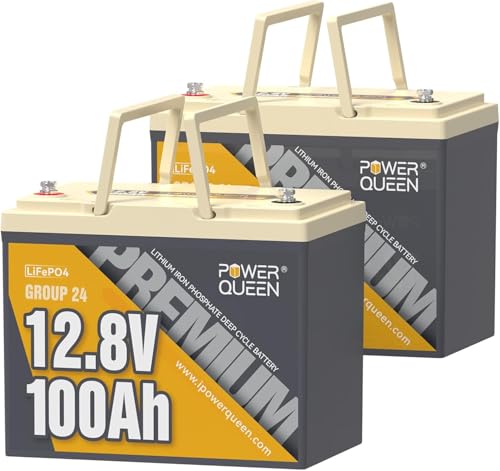
Power Queen 2 Pack 12V 100Ah LiFePO4 Battery Group 24

ECO-WORTHY 12V 280Ah Metal Case LiFePO4 Battery

TEMGO 12V 300Ah LiFePO4 Battery with Bluetooth and App

Redodo 12V 165Ah LiFePO4 Battery, Bluetooth, Group 31

Redodo 2 Pack 12V 100Ah RV Lithium Battery, Group 31
Taking A Closer Look At The Options
When the battery bay on your RV barely fits a Group 31 box, capacity usually takes a hit. Redodo’s Mini model pushes 320Ah into a noticeably tighter footprint than a standard 300Ah LiFePO4 (lithium iron phosphate, a chemistry known for long cycle life and thermal stability), aiming to give full-timers both range and storage space back.
Bluetooth monitoring sits onboard, so SOC (state of charge, the percentage of usable energy remaining) and cell health are readable from a phone without climbing into the compartment. Class A motorhomes, truck campers, and travel trailers with cramped boxes benefit most. Compared to the larger 200Ah and 300Ah units elsewhere in this list, the trade is footprint for raw amp hours.
Positive Points
- Compact form factor frees up storage for gear, water, or a second battery.
- Bluetooth readout removes guesswork on remaining capacity.
- LiFePO4 chemistry supports long cycle life for daily cycling households.
- 320Ah capacity suits multi-day boondocking for couples or small families.
Things To Consider
- Smaller case can limit terminal placement options in older bays.
- Bluetooth pairing behavior is widely reported to be fussier on some Android phones than iOS.
Made For
Full-time RVers and van builders who need serious capacity without sacrificing compartment space.
Consider Something Else When
The VATRER POWER 12V 300Ah with App Monitoring suits owners who also need engine-starting capability.
Most deep-cycle lithium batteries are happy to run your house loads but shy away from engine starting. The VATRER POWER 12V 300Ah model flips between roles through a dual-mode BMS (battery management system, the circuit board that protects cells from overcharge, over-discharge, and short circuits), pulling deep-cycle duty in normal use and switching to a high-discharge mode for cranking when needed.
Boat owners running a single battery bank for both house electronics and an outboard benefit most from this dual personality. The app monitoring lets you check voltage and current from the helm or the cabin. Compared to the Redodo Mini above, this unit trades compactness for that starting capability.
Strengths Worth Knowing
- Dual-mode operation replaces two separate batteries in one box.
- App-based monitoring surfaces real-time voltage and state of charge.
- 300Ah capacity covers multi-day house loads for most small craft.
- LiFePO4 cells handle thousands of deep cycles for daily use.
Worth Noting
- Starting-mode surge capability needs to be confirmed against your engine’s CCA spec.
- Larger physical footprint than the Redodo Mini, so measure your bay first.
Key Specs
Right Fit For
Boaters and off-grid homesteaders who want one battery to handle both house loads and starting bursts.
Look Elsewhere When
The Redodo 12V 200Ah Marine Battery fits better if cranking power is unnecessary and you want a lighter box.
Microwaves, induction cooktops, and small air conditioners are the usual killers of ordinary deep-cycle banks. Redodo’s 200Ah Marine model runs a 200A BMS that pushes continuous output high enough to feed those hungry appliances through an inverter, which is the practical difference between a battery that just sits there and one that lets you cook dinner off-grid.
RVers and off-grid cabins running mid-size inverters benefit most. The trade-off shows up in capacity: at 200Ah it sits between the 100Ah starter-style units and the 300Ah-plus house banks earlier in this list.
Points In Its Favor
- 200A continuous BMS rating covers microwave and induction loads comfortably.
- 200Ah capacity still powers overnight house use without conservative rationing.
- Marine-rated build suits wet or humid installations like bilge compartments.
- LiFePO4 longevity rewards heavy daily cycling for full-time users.
Points To Note
- Capacity drops noticeably compared to the 300Ah and 320Ah picks above.
- Owners commonly report terminal covers feel lighter-duty than the cells deserve.
Best Suited To
RVers and off-grid households running inverters with high momentary draw, like induction cooktops and compact microwaves.
A Better Fit Elsewhere
The ECO-WORTHY 12V 280Ah Metal Case Battery suits those prioritizing a heavier-duty enclosure over continuous wattage.
Bluetooth monitoring is common on premium LiFePO4 batteries, but ECO-WORTHY layers in a physical SOC LED display on the case itself. For solar cabins and off-grid outbuildings where pulling out a phone is impractical, that at-a-glance readout is genuinely useful, giving you a quick percentage check without opening the app.
Low-temperature protection prevents charging damage when the battery sits in an unheated shed overnight, which matters more in northern climates. Off-grid homeowners running year-round solar banks benefit most. Compared to the Redodo 200Ah above, this unit trades raw continuous output for higher total capacity and the LED convenience.
What It Does Well
- 314Ah capacity covers multi-day solar autonomy for small homes.
- LED SOC display reads at a glance without phone pairing.
- Low-temp charging cutoff protects cells in cold storage.
- Up to 15,000 deep cycles suits long-term off-grid installations.
Honest Caveats
- Larger case footprint needs careful compartment measuring before ordering.
- 200A BMS is generous but won’t match extreme surge demands.
Feature Snapshot
Who It Suits Best
Off-grid homeowners and remote-cabin dwellers who want top-tier capacity with at-a-glance status feedback.
Skip It When
The Power Queen 12V 100Ah Group 24 2-Pack suits drop-in lead-acid replacements in tighter compartments.
Some installations need more than one battery, and buying singles separately is a hassle. The EnergyRock ships as a matched 2-pack, both batteries landing with identical specs so you can wire them in parallel (positive to positive, negative to negative, doubling capacity at the same voltage) without worrying about cell mismatches degrading performance over time.
The metal case improves heat dissipation and fire resistance, which ECO-WORTHY upgraded from the earlier plastic enclosures. Larger RV solar banks, off-grid workshops, and tiny homes benefit most. Compared to the single ECO-WORTHY 280Ah below, this bundle just doubles the same proven unit.
Good Reasons To Consider
- Matched pair eliminates cell-imbalance headaches in series or parallel banks.
- Metal enclosure handles thermal stress better than older plastic shells.
- Combined 560Ah capacity covers extended off-grid stays comfortably.
- Low-temp protection keeps cells safe in unheated garages and sheds.
Things To Weigh
- Two-pack shipping sometimes arrives in separate boxes on different days.
- Total weight and footprint double compared to single-unit picks above.
Whose Shelf It Belongs On
Off-grid families and full-time RVers building out a multi-battery solar bank with matched cells.
Another Choice May Suit
The Redodo 2 Pack 12V 100Ah Group 31 suits those running standard Group 31 trays in marine applications.
Replacing an aging lead-acid battery should not require fabricating a new battery tray. The Power Queen 2 Pack drops into standard Group 24 boxes, the same form factor used in countless factory RV and trailer installations, so the swap typically takes minutes with no rewiring.
Owners upgrading flooded or AGM (absorbent glass mat, a sealed lead-acid variant) batteries benefit most, gaining roughly three times the usable capacity at a third of the weight. Compared to the larger 280Ah and 300Ah units earlier in this list, the trade-off is less total energy per battery in exchange for drop-in simplicity.
Features That Help
- True Group 24 dimensions slot into existing trays and boxes without modification.
- Lighter weight than the lead-acid batteries they swap out.
- 2-pack doubles capacity for typical weekend RV loads.
- EV-grade LiFePO4 cells handle daily deep cycling for full-time use.
Small Caveats
- 100Ah per unit means heavier inverter users may want to add a third battery.
- No Bluetooth monitoring on this model, so SOC reads require a multimeter or shunt.
Feature Card
Perfect Match For
Weekend RVers and trailer owners doing straightforward lead-acid battery upgrades without custom fabrication.
Reach For A Different Pick When
The ECO-WORTHY 12V 314Ah fits better for off-grid cabins needing larger single-unit capacity.
Heat is the silent enemy of lithium batteries in engine compartments and sun-baked battery bays. ECO-WORTHY upgraded the 280Ah to a metal enclosure that sheds heat more efficiently than the older plastic cases, and added a low-voltage cutoff switch on the case for one-touch isolation during storage.
Boats with hot engine bays, off-grid installations in desert climates, and anyone storing batteries seasonally benefits most. The Bluetooth readout keeps the monitoring convenient despite the heavier-duty build. Compared to the ECO-WORTHY EnergyRock 2-pack above, this single unit saves space but halves total capacity.
Real-World Strengths
- Metal case improves thermal resistance in hot installations.
- Physical power switch simplifies storage and shipping prep.
- 280Ah capacity suits multi-day solar autonomy for small homes.
- Bluetooth monitoring pairs with most modern phones without fuss.
Room For Improvement
- Metal case adds weight versus plastic-enclosed alternatives.
- Random label style on shipping can be confusing when ordering replacements later.
The Right Fit
Boat owners and desert-climate off-gridders who prioritize thermal management over weight savings.
Swap It Out When
The Redodo 12V 165Ah Group 31 fits tighter marine compartments where every inch counts.
Trolling motors run all day in the hot sun, which is rough on batteries that don’t tolerate heat or deep discharge well. TEMGO’s 300Ah model pairs a low-temperature cutoff with app-based monitoring so anglers can check state of charge from the deck without leaving the rod.
Freshwater and inshore saltwater anglers running 12v trolling motors benefit most, especially on multi-day trips where charging opportunities are scarce. The hazardous-materials shipping restriction means forwarding can be slower than standard goods. Compared to the VATRER POWER unit above, this battery skips the dual-mode cranking feature in favor of pure deep-cycle focus.
Bright Spots
- 300Ah capacity supports long days on the water at moderate trolling speeds.
- App-based monitoring reads voltage and current from the phone.
- Low-temp cutoff protects cells during early-season cold mornings.
- LiFePO4 cells handle thousands of partial cycles from solar or shore chargers.
Factors To Consider
- Non-returnable shipping due to hazmat rules, so verify sizing carefully before ordering.
- No engine-starting capability, so a separate cranking battery is needed for outboards.
Who Should Grab It
Boat anglers and trolling motor users who want pure house-bank capacity with remote monitoring convenience.
Where A Sibling Pick Shines
The VATRER POWER 12V 300Ah suits owners who also need starting capability from the same battery.
Group 31 is the standard size for marine cranking batteries, which means Redodo had to squeeze 165Ah into that familiar footprint. The result is a battery that drops into existing trays while delivering several times the energy of the lead-acid battery it replaces.
Boat owners replacing tired Group 31 batteries benefit most, gaining capacity without rewiring or tray fabrication. The Bluetooth monitoring is a nice extra on a battery form factor that often hides in dark corners. Compared to the larger Redodo Mini earlier in this list, this unit trades compactness for the standard Group 31 drop-in convenience.
Noteworthy Benefits
- Group 31 form factor fits standard marine battery trays.
- 165Ah capacity exceeds typical 100Ah lithium units in the same shell.
- Bluetooth SOC monitoring keeps tabs from the cabin or helm.
- Lightweight compared to the lead-acid Group 31 it replaces.
Things To Consider
- Capacity sits below larger 280Ah and 300Ah units for serious house loads.
- Group 31 trays vary slightly between boat brands, so double-check dimensions.
Built With In Mind
Boat owners swapping Group 31 lead-acid batteries for a higher-capacity lithium upgrade.
Not Your Match When
The Redodo 2 Pack 12V 100Ah Group 31 suits those wanting doubled capacity in matched form.
Planning for growth changes how you shop. Redodo’s 2 Pack ships two matched Group 31 100Ah batteries that wire together for 200Ah at 12V, or expand into larger banks (4P4S configurations, meaning four batteries in parallel and four strings in series, can reach 51.2V at 400Ah) as your system grows.
RV and marine owners who want to start modestly and add capacity later benefit most. The matched cells reduce imbalance headaches as the bank grows. Compared to the single Redodo 165Ah above, this 2-pack offers more total capacity and the flexibility of a future-proof expansion path.
A Few Highlights
- Two matched batteries simplify parallel wiring without cell mismatch concerns.
- Expandable architecture supports up to 4P4S for serious off-grid systems.
- Group 31 trays are widely available in standard marine and RV installations.
- Long cycle rating suits daily deep cycling for full-time households.
Points To Keep In Mind
- Two-pack shipments sometimes arrive separately, so plan storage space accordingly.
- Combined 200Ah is moderate; large inverter loads may need expansion later.
Who Will Love This
RV and marine owners planning expandable solar banks who want matched cells from day one.
Where Another Pick Suits Better
The ECO-WORTHY EnergyRock 2-Pack fits installations where larger 280Ah units in metal cases are preferred.
What To Weigh Before Choosing Your 12v Lithium Battery
Capacity vs Footprint
Battery capacity is measured in amp hours (Ah), and higher numbers mean longer runtime between charges, but the box gets bigger too. Measure your battery bay, tray, or compartment before ordering, since a battery that doesn’t physically fit won’t help anyone. The Redodo Mini and Group 31 picks exist specifically to solve tight-space problems without sacrificing too much capacity.
BMS Current Rating
The BMS current rating determines how much power your battery can deliver continuously. High-draw appliances like microwaves, induction cooktops, and inverters need BMS ratings of 100A or more to run safely. The Redodo 200Ah Marine and ECO-WORTHY models with 200A BMS lead this list for high-draw scenarios.
Temperature Protection
Cold weather charging damages lithium cells, which is why low-temperature cutoffs matter for unheated installations. Northern climate users, early-season anglers, and off-grid cabins in cold regions should prioritize batteries with built-in low-temp protection like the ECO-WORTHY models and TEMGO.
Form Factor Compatibility
Group 24 and Group 31 are standard sizes that fit existing trays and boxes. Drop-in replacements like the Power Queen 2 Pack and Redodo 165Ah save installation time, while custom-sized batteries may require fabrication work.
Smart Choices Before You Commit
Pitfalls Shoppers Hit
Buying a battery without measuring the compartment is the most common regret, followed closely by underestimating continuous draw. Microwaves and induction loads pull far more current than LED lights, and a battery with a small BMS will trip protection under those loads. Match your BMS rating to your highest-draw appliance, not just your average use.
Where The Extra Money Goes
Premium tiers in this category buy longer cycle life ratings, larger BMS current handling, Bluetooth and app monitoring, and upgraded enclosures like the metal cases. Whether those upgrades pay off depends on how heavily you’ll cycle the battery and whether you value remote monitoring. Heavy daily users benefit most from the premium tier.