A dead garage door remote always strikes at the worst moment: in a downpour, arms full of groceries, or right before a school pickup. The fix is a tiny, easy-to-overlook cell hiding inside your clicker, the A23 (also called 23A, MN21, GP23A, or L1028). This roundup walks through ten solid options, from single spares to multi-packs built for households juggling multiple remotes, keypads, and wireless sensors.
Your Options, Compared

Energizer A23 Battery, 12V (Pack of 4)

Duracell 12V Alkaline Alarm Battery MN21/A23 2 Pack

Key Battery Outlet A23 Single Garage Door Replacement
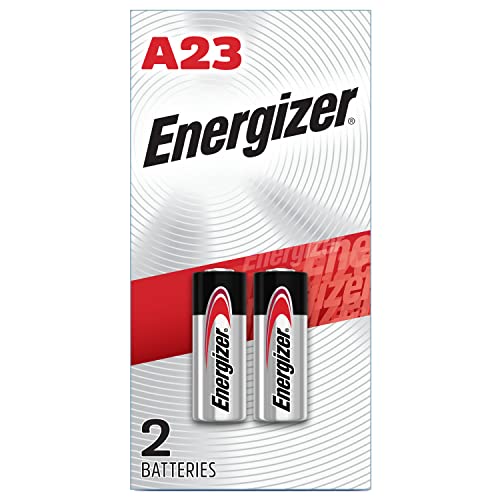
Energizer A23 Batteries (2 Pack), Alkaline

Bvgokcell A23 23A 12V Battery (10-Pack)

Amazon Basics 4-Pack 23A Alkaline Battery, 12V

Energizer L1028 Replacement A23 Battery (2 Pack)

Amazon Basics 6-Pack 23A Alkaline Batteries, 12V

Vinnic 5pk L1028 12V Batteries (GP23A/MN21/A23)

LiCB A23 23A 12V Alkaline Battery (5-Pack)
What Each Pick Brings To The Table
A four-pack of Energizer A23 cells covers the typical household nicely: one in the kitchen clicker, one in the car visor, one spare for the keypad, and a backup for when winter drains the third. The 12V alkaline chemistry (a dry-cell battery using zinc and manganese dioxide for steady voltage output) handles the brief, pulsed current that garage remotes demand. You may find the slim cylindrical form factor (about 10mm in diameter) easy to lose on a cluttered workbench, so the four-pack is genuinely useful rather than excessive.
Compared to the larger bulk packs later in this list, this Energizer sits in a comfortable middle ground: more than the single spare, less than a 10-cell tower. It runs across garage openers, key fobs, and small security remotes without a fuss.
What Stands Out
- Recognized brand with broad retail availability
- Four-cell pack handles a typical multi-room setup
- Alkaline chemistry suits short-burst remote use
- Standard 12V A23 form factor fits common openers
Points To Note
- Alkaline cells can leak if left installed for years untouched
- Higher cost per cell than bulk 10-packs
- Not labeled for any specific opener brand
Who It Suits Best
Households running two or three A23-powered remotes who want brand familiarity without buying in bulk.
Where Another Pick Suits Better
For a single-cell quick fix without the extras, the Key Battery Outlet A23 single pack is a leaner swap.
Duracell’s MN21/A23 two-pack is built around the same compact 12V alkaline platform, but with an emphasis on alarm panels and remote sensors in addition to garage gear. The small cylinder slips into tight remote housings and delivers the brief voltage spike garage openers need to fire the relay. The compact packaging (about 7.6cm tall) keeps the spare shelf-friendly.
Owners commonly treat this as a security-system cell first and a garage-door secondary, given the alarm-friendly labeling. For most homes, two cells is just enough to keep one device running with a fresh spare at the ready.
A Favorable Mix
- Backed by a widely trusted alkaline brand
- Listed as MN21/A23, covering common code variants
- Small footprint, easy to store in a drawer
Things To Consider
- Two-cell pack leaves little room for extras
- Alkaline shelf life shorter than lithium in extreme temperatures
- Per-cell cost is higher than 10-pack competitors
Key Specs
Right Fit For
Homeowners with a wired or wireless alarm panel running on A23 cells who want a name-brand spare.
Look Elsewhere When
Bigger households juggling four or more A23 gadgets should grab the Amazon Basics 6-pack instead.
This single-cell offering from Key Battery Outlet narrows its focus: one A23 alkaline battery, designed specifically for garage door openers. The chemistry targets stable 12V output (a steady voltage that prevents the signal dropouts that cause intermittent opener failures), and a leak-resistant seal aims to protect the remote’s metal contacts. For homeowners with one dead remote and no patience for a five-pack, this is a clean, direct swap.
Compare that to the multi-packs further down the list, which assume you want spares stashed around the house. If your only dead device is the car clicker, paying for extras feels wasteful, and this single-cell format respects that.
Strengths Worth Knowing
- Marketed for major opener brands like Chamberlain, LiftMaster, and Genie
- Single-cell format avoids paying for unused spares
- Leak-resistant construction suits long-dormant keypads
Trade Offs
- No spares included for future replacements
- Less recognized brand than legacy cell makers
- Alkaline shelf life can drift in unheated garages
Whose Shelf It Belongs On
Homeowners with exactly one failed remote who want a quick, purpose-built replacement without surplus.
Swap It Out When
You want backups across multiple devices; the Bvgokcell 10-pack covers you more cheaply per cell.
Energizer’s classic two-pack of A23 cells fits the same garage door and keyless entry remotes as the larger four-pack earlier, just with fewer spares. The alkaline chemistry is the same dependable, short-burst performer that powers most remotes reliably. This two-cell option is the right size for a household running one remote and a single spare.
It pairs nicely with households that already have a drawer full of cells. For a multi-car family with three clickers plus a wireless keypad, the four-pack earlier is a tighter fit.
Everyday Advantages
- Compact two-cell pack suits modest replacement needs
- Standard A23 form fits common opener brands
- Brand recognition aids trust at the register
Honest Caveats
- Only two cells, so no buffer for future failures
- Higher cost per cell than 6- or 10-packs
- Alkaline cells can corrode contacts in unused keypads
Made For
Minimalist shoppers who only need to swap one cell now and a backup later.
Reach For A Different Pick When
You run a fleet of clickers and sensors; the Amazon Basics 6-pack stretches further per dollar.
Ten cells in a single plastic-sealed tray. The Bvgokcell 10-pack is built for homes where A23 batteries disappear faster than expected: multiple remotes, a garage keypad, a wireless doorbell, and the occasional toy or camera. Low self-discharge chemistry (engineered to retain stored charge longer while idle) helps these cells stay useful across years in a junk drawer. MN21 and 23A codes are both covered, so the pack slots into devices labeled either way.
For most homes, this is far more than one swap requires, but the per-cell math works out favorably when you have several devices on the same platform. Compared to the four-pack from Energizer earlier, you trade brand recognition for raw quantity.
The Upside
- Ten-cell count covers a household’s worth of remotes
- Compatible with MN21 and 23A-labeled devices
- Low self-discharge design favors long-term storage
Room For Improvement
- Bulk packaging wastes space for single-cell shoppers
- Lesser-known brand compared to legacy cell makers
- Alkaline cells still carry slow-drain risks in cold garages
Feature Snapshot
Best Suited To
Households with multiple A23 gadgets, or anyone tired of running to the store for one cell at a time.
Skip It When
You need one fresh cell today and dislike storing extras; the single-pack from Key Battery Outlet is leaner.
Amazon Basics’ 4-pack of 23A alkaline cells is positioned for the shopper who wants a no-frills replacement without brand markup. The 12V output drives standard garage openers and key fobs, and the heavy-duty casing design aims to keep contacts clean and dry. For most households, four cells is enough to swap one device, leave one in the drawer, and stash a couple for the car and a spare clicker.
Where it differs from the Energizer 4-pack earlier is mostly on the label: this one is a house brand, while Energizer leans on decades of retail recognition. Spec-for-spec, both deliver the same voltage in the same form factor.
Why It Works Well
- Four cells cover most households’ basic needs
- Heavy-duty casing protects contacts during storage
- Compatible with key fobs, garage openers, and remotes
- Generally priced below name-brand equivalents
Factors To Consider
- House brand carries less brand heritage than legacy makers
- Alkaline shelf life still shorter than lithium in extreme cold
- Single voltage offering, no lithium variant in this listing
Who Should Grab It
First-time replacement shoppers who want a fair, functional pack without paying for brand cachet.
A Better Fit Elsewhere
Homes running six or more A23 devices get more value from the Amazon Basics 6-pack option in this roundup.
The L1028 designation refers to a slightly taller A23 variant used in some specialty devices, and Energizer packages two of those cells here. For homeowners whose clicker or sensor calls for the L1028 fitment, this is a direct replacement. The alkaline chemistry delivers the same short-burst performance standard A23 cells offer, just in a longer cylindrical body.
Compared to the standard A23 4-pack earlier, this two-pack assumes a more specific device list. If your remote calls for plain A23 sizing, save the difference and grab the 4-pack. For L1028-labeled gear, this is the cleanest match in this roundup.
Useful Highlights
- Matches the L1028 dimension for specialty devices
- Two-cell format keeps spare count modest
- Same Energizer build quality as standard A23 cells
Worth Bearing In Mind
- L1028 size is a niche fitment, not universal
- Two-cell count runs out fast in multi-device homes
- Alkaline shelf life depends on storage temperature
At A Glance
Built With In Mind
Owners of older or specialty devices that specifically call for the L1028 fitment.
Consider Something Else When
Your devices use the standard shorter A23 size; the Energizer 4-pack earlier fits those more broadly.
The 6-pack version of Amazon Basics’ 23A line adds two more cells to the same heavy-duty casing design. For homes with two or three active remotes plus a wireless doorbell, six cells means one swap per device with spares to spare. The mercury-free alkaline chemistry (built without mercury additives common in older cell formulations) aligns with current household battery standards.
Compare that to the 4-pack earlier; the only real difference is count. If your home pulls A23 cells from multiple devices, the 6-pack’s extra cells keep you out of the store for a longer stretch.
Points In Its Favor
- Six cells handle multi-remote households comfortably
- Heavy-duty casing aids long-term storage
- Mercury-free formulation meets current standards
Things That May Matter
- Alkaline chemistry limits cold-weather performance
- House brand may not satisfy shoppers loyal to legacy names
- Cells can still corrode contacts if forgotten in devices
Perfect Match For
Multi-remote households that rotate cells between garage openers, car fobs, and doorbells regularly.
Not Your Match When
You only need a single replacement right now; the Key Battery Outlet single cell fits that scenario better.
Vinnic’s five-pack covers an unusually wide range of code labels: GP23A, MN21, A23, and LRVO8 all share the same 12V alkaline platform. For households with a mix of older and newer devices, where the printed code on the battery compartment varies, this kind of cross-compatibility removes the guesswork. The five-cell count sits between the small two-packs and the bulk 10-pack, a middle-of-the-road option.
If your devices all use a single code, the more focused packs earlier (like the Energizer A23 4-pack) are a tighter match. For mixed devices, this Vinnic pack keeps one drawer stash relevant across the whole A23 family.
Everyday Perks
- Spans multiple battery codes for mixed-device homes
- Alkaline chemistry handles short-burst remote loads
- Five-cell count balances spares with shelf space
Soft Spots
- Less mainstream brand recognition
- Five cells is awkward between standard pack sizes
- Alkaline shelf life still tied to storage conditions
Feature Card
The Right Fit
Owners with multiple devices labeled under different A23-family codes who want one drawer solution.
Another Choice May Suit
Households standardized on a single code save money by choosing the Bvgokcell 10-pack instead.
LiCB’s five-pack rounds out the list with cells positioned for garage openers, doorbells, car alarms, and keyless entry devices. The tested quality control chain means each cell arrives at full 12V, a detail that matters when an opener has been flaky and you don’t want to wonder whether the new battery is part of the problem. The five-cell count lands squarely in the middle of the pack.
It slots between the tighter two-packs and the heavier 6- and 10-pack options earlier. For homeowners running one garage remote and a wireless doorbell, this is enough to swap both with a spare left over.
Benefits That Matter
- Cells tested for full 12V output at shipment
- Five-cell count covers a small device cluster
- Multi-use across openers, doorbells, and alarms
Less-Strong Areas
- Alkaline shelf life depends on storage climate
- Less recognized brand than legacy cell makers
- Five-cell count is less efficient per cell than 10-packs
Who Will Love This
Shoppers who want a tested, mid-sized pack for a remote and a doorbell, with one cell to spare.
Where A Sibling Pick Shines
For more cells per dollar across many devices, the Bvgokcell 10-pack earlier stretches further.
What To Weigh Before Picking 12v Garage Door Opener Battery
Start with the code printed inside the battery compartment. A23, 23A, MN21, GP23A, and L1028 are common labels for the same 12V alkaline platform, but the L1028 is a slightly taller variant. Match the code first, then pick a pack size that suits your device count.
Pack count is the second decision. A single A23 cell covers one dead remote; a 4- to 6-pack adds spares for the car and a wireless doorbell. Households running several A23 devices save per-cell cost by stepping up to a 10-pack, but smaller households often end up storing extras for years, which can lead to corrosion in alkaline cells left inside forgotten keypads.
Chemistry matters more than most shoppers realize. Alkaline cells handle short, pulsed transmissions well, which is what garage remotes need, but they lose capacity in extreme cold, a common issue for unheated garages. Lithium A23 alternatives exist but weren’t in this list.
Brand familiarity plays a real role at the register. Legacy names like Energizer and Duracell carry decades of retail trust; house brands trade that recognition for lower pricing. For a single swap, either works; for an entire household rotation, brand consistency helps.
Storage climate affects shelf life more than advertised dates. A drawer in a climate-controlled hallway keeps A23 cells fresher longer than a glove box in summer or an unheated garage in winter. Rotate stock so older cells get used first.
Smart Habits For Choosing 12v Garage Door Opener Battery
Common Buying Slip Ups
Many shoppers grab the cheapest A23 pack and assume any cell works. Mismatched codes are the first mistake: a standard A23 won’t seat properly in an L1028 compartment, and forcing it risks contact damage. Always check the printed code on the existing battery or the device’s manual before ordering.
A second slip-up is buying bulk for a single-swap need. A 10-pack seems efficient until half the cells sit unused for two years and leak inside their packaging. Match pack size to device count, not to per-cell pricing alone.
What The Higher Tier Buys
Higher-priced A23 packs in this roundup lean on brand heritage rather than chemistry upgrades. Energizer and Duracell charge a small premium for retail trust and quality control consistency, which matters when a single bad cell leaves you stranded in the rain. Lithium A23 alternatives (not featured here) cost noticeably more but handle extreme cold better and last longer on the shelf.
Frequently Asked Questions
What does A23 mean on a garage door battery?
A23 is a standardized battery code for a small 12V cylindrical cell, about 10mm in diameter. It is the most common format inside garage door remotes and keypads.
Can a regular AA battery replace an A23 in a garage remote?
No. AA cells are 1.5V each and physically larger, so they cannot deliver the 12V a garage opener remote expects. Using the wrong cell risks damaging the remote.
How long does a 12V garage door opener battery last?
In a typical remote used a few times daily, an alkaline A23 cell usually lasts one to two years. Heavy use, cold garages, or older remotes with sticky buttons can shorten that window.
Are all A23 batteries the same across brands?
The voltage and dimensions are standardized, so most A23 cells from reputable makers are interchangeable. Differences appear in shelf life, leak resistance, and quality control consistency.
Should I keep spare A23 batteries on hand?
Yes. A spare in a kitchen drawer covers the next failure without an emergency run to the store. For multi-remote homes, a 4- to 6-pack covers the typical rotation cycle.
Closing Remarks
The right A23 cell for your garage remote depends mostly on how many devices you keep powered and how much brand familiarity you value. A single-cell swap is fine for one dead clicker; a household with multiple remotes benefits from a 4- to 10-pack and a consistent brand. Match the code on your existing battery, store spares indoors, and the next time a remote goes dark, you’ll have a fresh cell ready before anyone gets rained on.