Twelve-volt batteries quietly run more gear than most people realize, from garage door openers to off-grid cabins. The trick is matching the chemistry and capacity to the job, not just grabbing the cheapest pack on the shelf. This roundup walks through ten practical options across coin cells, SLA replacements, jump starters, and LiFePO4 banks, so you can spot the right size for your tools, RV, or weekend build.
The Shortlist At A Glance

rapthor 12V 2600mAh Rechargeable Li-ion Battery Pack

Energizer A23 12V Alkaline Battery (1 Battery)

Mighty Max Battery ML8-12 12V 8AH SLA

Energizer A23 12V Battery (Pack of 4)

Duracell 21/23 12V Alkaline Battery (1 Pack)
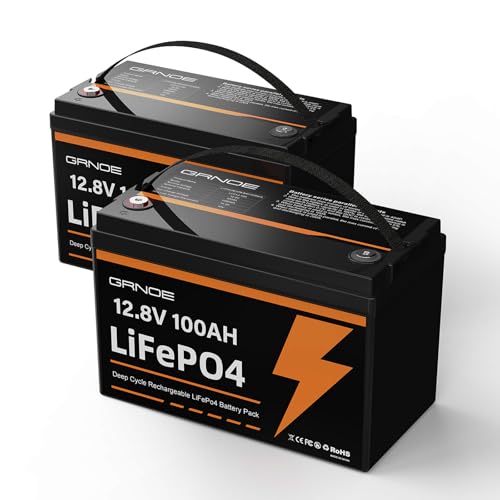
GRNOE 12V 100Ah LiFePO4 Group 31 Battery (2 Pack)

Mighty Max ML18-12 12V 18AH SLA Battery (2 Pack)

HPBS H50 5000A Jump Starter Battery Pack
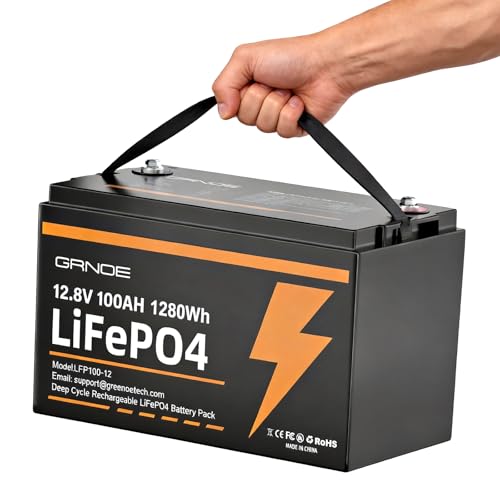
GRNOE 12V 100Ah LiFePO4 Group 31 Battery

GRNOE 12V 300Ah LiFePO4 Battery
Rechargeable lithium packs open up a category the coin cells and SLAs can’t touch: portable, project-friendly power for low-draw 12V devices. The rapthor pack arrives with a 12.6V/1A charger, a DC power connector, and a pigtail lead, so you can wire it into LED strips, CCTV cameras, routers, fishing lights, or small Bluetooth speakers without hunting down adapters. A BMS (battery management system) sits between the cells and your gear to guard against overcharge and short circuits, which matters for hobbyists running DIY setups where mistakes happen.
The 2600mAh capacity won’t run a trolling motor, but it easily covers a night of LED accent lighting or a router backup during an outage. Compared to the Mighty Max SLAs later in this list, the trade-off is lower capacity for a much smaller footprint and genuine rechargeability without the weight penalty.
Noteworthy Benefits
- BMS protection helps prevent overcharge and short-circuit damage during DIY builds.
- Includes charger, DC connector, and pigtail cable for faster project wiring.
- Lithium chemistry means lighter carrying weight than SLA equivalents.
- 3A max output handles most low-draw 12V accessories without voltage sag.
- Rechargeable design saves on disposable battery costs over time.
Things To Consider
- 2600mAh capacity limits runtime for anything beyond low-draw accessories.
- Not weatherproof, so outdoor mounting needs a sealed enclosure.
- Verify your device’s draw stays under 3A peak to avoid BMS tripping.
Feature Snapshot
Built With In Mind
Makers and hobbyists powering small 12V accessories on the workbench or in a project enclosure.
Swap It Out When
You need higher capacity for RV or solar use, in which case the GRNOE 12V 100Ah LiFePO4 picks later in this list make more sense.
Coin and button-cell batteries are a different beast from the larger packs on this list, and the Energizer A23 handles a very specific niche. This 12V alkaline cell fits inside compact electronics like garage door remotes, certain key fobs, and small specialty devices that need more voltage than a standard AA can deliver. At roughly 0.38 inches wide and just over an inch tall, it slips into tight compartments without forcing you to stack multiple coin cells.
If you’ve ever replaced a remote and found the old battery was labeled 21/23, 23A, MN21, or V23GA, this is the same form factor. Single-pack format works well when you only need one replacement, though anyone juggling several remotes should compare it to the four-pack option that follows.
A Strong Showing
- 12V output in a compact coin-cell form fits specialty remotes and fobs.
- Cross-compatible with 21/23, 23A, MN21, and V23GA equivalents.
- Long shelf life suits emergency device backups stored in drawers.
Worth Noting
- Single-pack pricing is higher per cell than multi-pack alternatives.
- Alkaline chemistry struggles in extreme cold compared to lithium coin cells.
- Single-use only, no recharge cycle available.
Right Fit For
Homeowners with one or two specialty remotes that need a quick, brand-name replacement.
Look Elsewhere When
You maintain several 12V fobs around the house, where the Energizer A23 four-pack option delivers better per-cell value.
Sealed lead-acid (SLA) batteries keep showing up in backup gear because they’re predictable, replaceable, and forgiving of neglect. The Mighty Max ML8-12 is an 8 amp-hour (Ah) rechargeable unit that slots into security panels, emergency lighting, kids’ ride-on toys, and small UPS (uninterruptible power supply) systems. The six-pack listing makes sense for anyone running multiple devices or wanting spares on hand for the next outage.
SLA stands apart from the lithium options covered later because it tolerates float charging (trickle charging at full capacity) and survives deep discharges reasonably well. The trade-off is weight: at roughly 5.94 by 2.56 by 4.02 inches per cell, it’s compact but dense. No wire harness ships in the box, so factor in F1 terminal connectors if your existing setup needs them.
A Few Strong Suits
- Maintenance-free AGM (absorbent glass mat) design resists spills and leaks.
- Eight amp-hour capacity covers small backup systems for several hours.
- Six-pack format lowers per-cell cost for multi-device installations.
- Wide operating temperature range suits garage and shed environments.
Trade Offs
- Heavy compared to lithium replacements of similar capacity.
- Shorter cycle life than LiFePO4 (lithium iron phosphate) alternatives like the GRNOE picks later.
- Listing ships batteries only, no wire harness included.
Key Specs
Whose Shelf It Belongs On
Workshop owners replacing backup cells in alarm systems, lighting, or motorized toys on a tight budget.
Consider Something Else When
You want lighter weight and thousands more cycles, where the GRNOE 12V 100Ah LiFePO4 makes more sense.
For households juggling multiple 12V devices, paying single-pack pricing adds up quickly. The Energizer A23 four-pack brings the same 12V alkaline chemistry as the single option, just at a better per-cell rate. Most people only realize how many specialty remotes they own after the third one dies in a week.
Same physical dimensions apply here: 0.38 by 0.38 inches in cross-section, around 1.05 inches tall, fitting the same garage openers, key fobs, and specialty electronics as the single-cell version. Bulk packaging means you’ll have spares for next year instead of scrambling to the store when a remote goes dead.
Where It Delivers
- Four-cell format offers strong per-unit savings over singles.
- Interchangeable with 21/23, 23A, MN21, and V23GA designations.
- Spare cells stay fresh in drawers for emergency replacements.
Honest Caveats
- Alkaline cells lose capacity faster than lithium coin cells in cold weather.
- Disposable only, no recharge option.
Perfect Match For
Anyone running two or more 12V specialty remotes who wants a cost-effective stockpile on hand.
Reach For A Different Pick When
You only need a single replacement, in which case the single Energizer A23 above avoids paying for extras.
Duracell’s 21/23 12V cell targets the same specialty electronics category as the Energizer A23, with one notable difference: brand familiarity. Many shops stock Duracell first, and the 21/23 designation matches a long list of cross-references. Key fobs, car alarms, GPS trackers, and remote controls are the primary use cases.
Single-pack format makes this the right call when one cell fails and you want a quick, name-brand swap. The trade-off versus the Energizer four-pack is per-cell pricing, so anyone replacing several cells should compare carefully. Same 12V alkaline chemistry, same general runtime expectations.
Positive Takeaways
- Trusted brand with wide retail availability for emergency restocks.
- Compatible with 21/23, 23A, and similar 12V specialty designations.
- Suited to key fobs, alarms, and GPS trackers needing reliable 12V.
Points To Keep In Mind
- Higher per-cell cost than bulk multi-pack options from competitors.
- Alkaline chemistry has shorter cold-weather performance than lithium alternatives.
Best Suited To
Drivers needing a single replacement cell for a key fob or car alarm from a recognizable brand.
A Better Fit Elsewhere
You want to stock multiple remotes at once, where the Energizer A23 four-pack keeps costs down.
LiFePO4 (lithium iron phosphate) batteries are the modern default for serious off-grid work, and this GRNOE pair delivers 100Ah (amp-hours) per cell with a built-in 100A BMS (battery management system) to prevent overcharge and over-discharge. Each unit stores 1280Wh (watt-hours), so a two-pack gives you 2560Wh to work with before expansion. Group 31 sizing fits standard RV battery boxes, marine trays, and van builds without custom fabrication.
The real draw here is scalability. You can wire four units in series for 48V systems or combine packs in parallel for higher capacity, all the way up to 20.48kWh. Compared to the SLA ML8-12 earlier in this list, the weight savings are dramatic: roughly a third of equivalent lead-acid cells. Deep-cycle ratings up to 15,000 charges mean these outlast SLAs by years.
Features That Help
- 100A built-in BMS protects cells from common charging faults.
- Expandable wiring supports series and parallel configurations up to 20.48kWh.
- Group 31 footprint fits standard RV and marine battery boxes.
- Up to 15,000 deep cycles for years of daily cycling.
Softer Spots
- Each battery ships in its own box, so multi-pack orders may arrive separately.
- Requires a 14.6V LiFePO4-compatible charger, not a standard SLA charger.
- Higher upfront investment than entry-level SLA replacements.
At A Glance
Who Will Love This
Van-lifers and off-grid builders planning expandable power systems that can scale as needs grow.
Not Your Match When
You only need a single replacement cell, where the GRNOE single-pack 100Ah option later is a better fit.
Stepping up from the 8Ah ML8-12, the Mighty Max ML18-12 doubles the runtime per cell with 18Ah of capacity in the same SLA/AGM chemistry. At 7.12 by 3.00 by 6.50 inches per battery, the cells still fit standard compartments but pack more punch for UPS backups, medical mobility scooters, and larger emergency lighting systems. The two-pack format means you can replace both batteries in a paired system at once.
Nut-and-bolt terminals differ from the F1 spade connectors on the smaller Mighty Max model, so check your existing wiring before ordering. SLA chemistry still means heavier cells than the lithium alternatives, but the cost-per-amp-hour remains attractive for stationary installations.
Everyday Advantages
- 18Ah capacity runs larger backup systems for extended outages.
- AGM construction resists spills and tolerates a range of mounting positions.
- Two-pack covers paired replacement needs in UPS or scooter applications.
Potential Drawbacks
- Nut-and-bolt terminals require compatible cabling not included in the box.
- Heavier than lithium equivalents, less ideal for portable setups.
- Shorter cycle life than LiFePO4 for daily deep-cycle use.
Made For
Facilities and households replacing aging UPS or mobility-scooter batteries where proven SLA chemistry is preferred.
Skip It When
You need daily deep cycling and lighter weight, where the GRNOE 100Ah LiFePO4 makes the upgrade worthwhile.
Lithium jump starters changed what it means to carry backup power in a vehicle. The HPBS H50 delivers 5000A peak current, enough to start gas engines up to 10.0 liters or diesel engines up to 8.0 liters. A 3.0-inch LCD display shows battery status and error messages, which removes the guesswork from older LED-indicator designs. Roughly forty jump-starts on a full charge cover most drivers for an entire season before recharging.
Compared to the deep-cycle GRNOE LiFePO4 units later in this list, this is a different use case: short, high-amperage bursts rather than sustained low-draw delivery. Storage in a glove box or trunk keeps it ready for dead-battery mornings, though extreme cold can reduce lithium output temporarily, something to weigh in northern climates.
What Works In Its Favor
- 5000A peak current handles large engines without hesitation.
- LCD display provides clearer status feedback than basic LED units.
- Portable form factor stows in most vehicle storage compartments.
- Up to 40 jump-starts per charge for multi-driver households.
Practical Considerations
- Lithium cells lose cranking power in extreme sub-freezing temperatures.
- Periodic top-up charging needed to keep internal cells ready.
- Not designed for sustained loads like RV house banks.
Perfect Match For
Daily drivers and overlanders who want a self-contained jump solution without flagging down another vehicle.
A Better Fit Elsewhere
You’re building an off-grid house system, where the GRNOE 300Ah LiFePO4 later in the list handles sustained loads.
The single-pack version of the GRNOE 100Ah LiFePO4 hits a sweet spot for RV owners and trolling motor users who need one strong cell rather than an expandable bank. At 12.9 by 6.7 by 8.6 inches and roughly 22.48 pounds, it’s about a third the weight of an equivalent SLA, so handling it during install is genuinely easier. Group 31 sizing means most standard battery trays accept it without modification.
Grade A+ LiFePO4 cells rated for 15,000+ deep cycles translate to roughly ten years of regular use, which is why the upfront cost makes sense for full-time travelers. The same 14.6V charger caveat from the two-pack applies: a standard 12V SLA charger won’t fully top off the chemistry, so plan for a LiFePO4-compatible unit.
A Favorable Mix
- Lightweight design eases install for RV and marine applications.
- Group 31 size fits common battery boxes without fabrication.
- 15,000+ deep cycles support years of daily discharge use.
- 100A built-in BMS protects against common charging faults.
Room For Improvement
- Requires a LiFePO4-compatible charger (14.6V) for full charging.
- Single-cell capacity caps system expansion to parallel wiring only.
- Recommended top-off charging every two to three months during storage.
Spec Overview
Who It Suits Best
Solo RV travelers and anglers running trolling motors who want lighter weight without losing runtime.
Another Choice May Suit
You’re building a multi-pack expandable system, where the GRNOE two-pack earlier scales more readily.
Whole-home backup and serious off-grid systems need capacity measured in hundreds of amp-hours, and the GRNOE 12V 300Ah LiFePO4 delivers 3840Wh per cell. At roughly 56 pounds, it lands around a third the weight of an equivalent SLA bank, with a 200A BMS (battery management system) that handles heavier inverter draws without tripping. Configurations up to 4P4S scale a single cell into a 1200Ah, 51.2V powerhouse when needed.
The honest read is that this is overkill for anyone running a single trolling motor or a small RV setup. Where it shines is solar arrays and weekend cabins that need multi-day autonomy. Solar charging is supported, but a charge controller is required, and general-purpose SLA chargers should be avoided to prevent cell damage.
Strong Points
- 3840Wh capacity covers substantial off-grid loads for multiple days.
- 200A BMS handles larger inverters without protection faults.
- Scalable wiring supports up to 16 batteries in advanced configurations.
- 5000+ cycles deliver reliable service for years of daily use.
Possible Compromises
- Requires a LiFePO4-compatible charger (14.6V) for safe full charging.
- Overkill for small RV or trolling motor setups.
- Solar charging needs a dedicated charge controller, not included.
Feature Rundown
Built With In Mind
Off-grid homeowners and solar enthusiasts running whole-property backup or cabin power systems.
Not Your Match When
You only need modest RV runtime, where the GRNOE 100Ah single-pack earlier is the right scale.
Choosing The Right 12V Battery For Your Gear
Match Chemistry To The Job
Alkaline coin cells like the Energizer A23 and Duracell 21/23 cover specialty electronics with low, intermittent draw. Sealed lead-acid batteries (the Mighty Max ML8-12 and ML18-12) handle stationary backup roles where weight is less critical. Lithium iron phosphate (LiFePO4) is the modern default for anything rechargeable, repeatable, or weight-sensitive, from RV banks to jump starters.
Capacity And Runtime Math
Capacity numbers tell the real story. A 2600mAh (milliamp-hours) pack like the rapthor runs small LED projects for hours; a 100Ah (amp-hour) GRNOE cell powers an RV through a full day. Convert amp-hours to watt-hours (Ah × volts) for apples-to-apples comparisons across chemistries: 100Ah at 12V equals 1280Wh, the same energy regardless of whether it’s stored in lithium or lead.
Physical Fit And Terminals
Group 31 footprints (around 13 by 7 by 9 inches) cover most RV and marine installations. Smaller SLA cells use F1 spade terminals; the larger ML18-12 uses nut-and-bolt connections that need different cabling. Always measure the existing compartment before ordering.
Charging And Maintenance
Lithium cells require a 14.6V LiFePO4-compatible charger, not a standard 12V SLA unit, or they won’t reach full charge. SLA batteries tolerate float charging (trickle charging at full capacity) but appreciate periodic top-offs during storage. Coin cells are maintenance-free until they die.
Smart Buying Advice For 12V Setups
Mistakes Worth Dodging
Buying a 12V SLA charger for a lithium battery is the most common pitfall, and it leaves LiFePO4 cells chronically undercharged. Skipping a BMS to save cost is another trap: unprotected lithium packs can swell or catch fire during charging faults. Finally, mixing amp-hour capacities in series banks creates imbalance that shortens every cell’s life.
Where The Extra Money Goes
Stepping up from SLA to LiFePO4 roughly doubles or triples the upfront cost per amp-hour, but the cycle life jumps from a few hundred to several thousand. Weight drops by two-thirds, depth of discharge (usable capacity before damage) goes from 50% to 80%, and maintenance becomes nearly zero. For daily-cycling applications like solar or RV house banks, the upgrade pays for itself within a few years.
Frequently Asked Questions
What Is The Difference Between SLA And LiFePO4 Batteries?
SLA (sealed lead-acid) batteries are heavier, less expensive upfront, and tolerate float charging. LiFePO4 (lithium iron phosphate) batteries are lighter, last thousands more cycles, and discharge deeper without damage, but they require a compatible charger.
Can I Use A Regular 12V Charger On A LiFePO4 Battery?
No, a standard 12V SLA charger typically outputs 13.8 to 14.4V and won’t fully charge LiFePO4 cells, which need 14.6V. Using the wrong charger leaves lithium packs chronically undercharged and can shorten their lifespan.
How Long Does A 100Ah LiFePO4 Battery Last?
A 100Ah LiFePO4 cell rated for 5000 to 15,000 cycles delivers roughly ten years of daily use before noticeable capacity loss. Actual lifespan depends on depth of discharge, charging habits, and operating temperature.
Are Coin Cell 12V Batteries Rechargeable?
Most 12V coin and button cells like the Energizer A23 are single-use alkaline or lithium. Rechargeable equivalents exist in similar form factors but use different chemistry and aren’t direct substitutes in all devices.
What Size 12V Battery Do I Need For An RV?
Most RV house banks run on one to four 100Ah LiFePO4 cells, depending on runtime needs. Weekend warriors often get by on a single 100Ah pack, while full-time travelers typically scale to 200-400Ah for multi-day off-grid stays.
Closing Remarks
The right 12V battery comes down to matching chemistry, capacity, and form factor to your specific devices. Coin cells handle remotes, SLAs cover stationary backups, and LiFePO4 powers anything rechargeable with serious runtime. Start by identifying the load and physical space, then choose the chemistry that fits your cycling needs. That approach avoids both under-buying and over-spending.