Choosing a 12v 20ah battery in 2026 looks simple on paper until you actually need one. Whether you’re maintaining a motorcycle, upgrading a kids’ ride-on toy, wiring an off-grid cabin, or replacing a tired SLA cell in a power station, the right chemistry and form factor make the difference between a smooth install and a return trip. The ten picks below cover everything from sealed AGM workhorses to compact LiFePO4 options, so you can match capacity, weight, and cycle life to your actual situation.
The Leading Options At A Glance
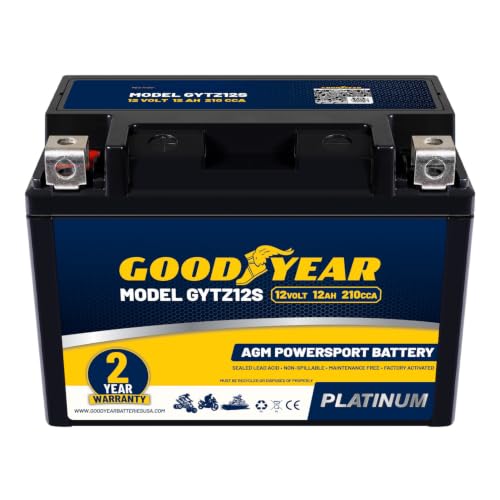
Goodyear GYTZ12S AGM Powersports Battery
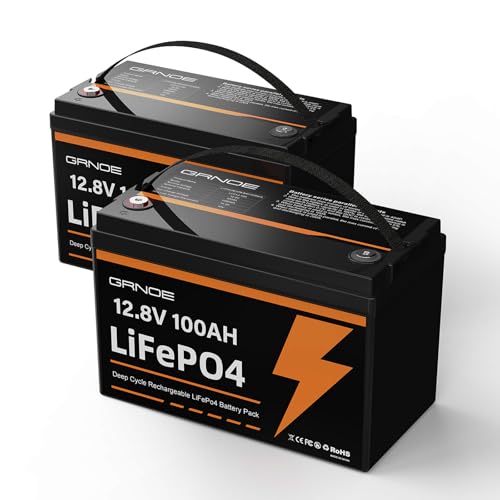
GRNOE 12V 100Ah LiFePO4 Group 31 Battery (2-Pack)

A AOKLY 12V 20Ah SLA Replacement Battery

UPLUS LP12-20 12V 20Ah AGM Deep Cycle Battery

HeyFuture 12V 20Ah LiFePO4 Power Wheels Upgrade Battery

Goodyear GYTZ10S 12V 10AH AGM Powersports Battery
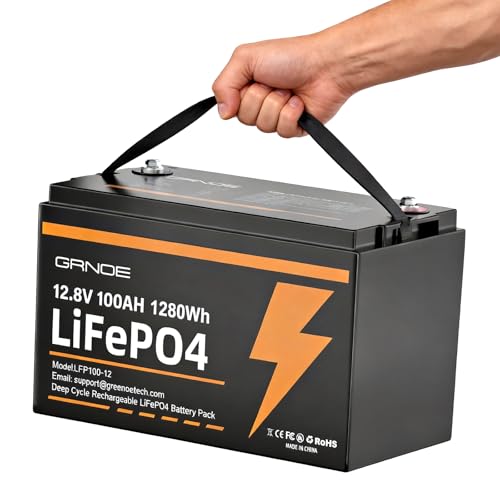
GRNOE 12V 100Ah LiFePO4 Group 31 Battery
Goodyear GYTZ14S 12V 13AH AGM Powersports Battery

GRNOE 12V 300Ah LiFePO4 Battery with 200A BMS

ABKpower 12V 20Ah LiFePO4 Deep Cycle Battery
The Goodyear GYTZ12S lands squarely in the powersports starter category, and it shows. Sealed AGM construction means you mount it in any orientation except upside down, which matters when the factory battery tray was designed for a different chemistry. The 210 CCA rating gives enough punch for motorcycles, ATVs, scooters, and snowmobiles that sit through long winters.
For weekend riders and daily commuters alike, the maintenance-free promise is the real selling point. Owners commonly report a clean install with no acid spills or terminal corrosion headaches. The trade-off is weight, since AGM cells run heavier than lithium equivalents.
Where It Helps
- 210 cold-cranking amps handle cold-weather starts without hesitation.
- Sealed AGM design resists vibration on rough trails and washboard roads.
- Mounts in any position except upside down, simplifying tight vehicle bays.
- Maintenance-free operation means no fluid checks across the service life.
Worth Noting
- Heavier than lithium alternatives, which may matter for race-weight builds.
- Cycle life is shorter than LiFePO4 if you run deep accessory loads.
Quick Facts
Made For
Daily riders and weekend trail users running a standard motorcycle, scooter, or ATV that needs a reliable starter battery without lithium pricing.
Consider Something Else When
You want a deep-cycle lithium option for accessories. The ABKpower 12V 20Ah LiFePO4 Battery suits riders adding USB chargers, heated gear, or extended idle loads.
Two Group-31 LiFePO4 cells in one box, which makes this GRNOE bundle a different kind of purchase than most picks on this list. Each unit ships one battery per carton due to weight, and combined they form a 200Ah bank with built-in 100A BMS protection. Configuration flexibility lets you scale up to 51.2V or 20.48kWh depending on how you wire them.
For van-lifers, RVers, and off-grid cabin owners, the appeal is weight savings and cycle depth. Lithium iron phosphate cells weigh roughly a third of equivalent lead-acid and tolerate deep discharges without damage. The honest catch: a 100A BMS may bottleneck heavy inverter loads.
What Stands Out
- Group-31 footprint fits standard RV and marine battery boxes.
- Up to 15,000 deep cycles deliver a decade of typical use.
- Configurable in series or parallel for custom voltage and capacity banks.
Trade Offs
- Shipping arrives in two separate boxes on different trucks, so patience helps.
- 100A BMS may limit high-surge inverter applications above that threshold.
At A Glance
Best Suited To
RV and van owners building a modular lithium bank who want expandability without buying all cells upfront.
A Better Fit Elsewhere
Single-battery buyers should consider the GRNOE 12V 100Ah Group 31 single unit, which covers most home backup scenarios without the two-box shipping hassle.
The A AOKLY 6FM20 is a textbook sealed lead-acid replacement with the standard F3/T3 terminals and a compact 7.13 x 3.03 x 6.57-inch case. It is the kind of battery that lives inside jump-start packs, alarm panels, kids’ electric ride-on toys, and standby lighting rigs. Pair it with a charger that outputs 14.4 to 14.6 volts at 2 to 4 amps for the longest service life.
For anyone who has wrestled with a swollen OEM battery in a portable jump pack, this drop-in form factor is the draw. Owners commonly use it as a direct swap for worn 6FM20 cells without rewiring the harness. The trade-off is weight compared to lithium, and a shorter cycle count if you drain it regularly.
What Makes Sense
- Standard F3/T3 terminals match common jumper pack and UPS wiring.
- Compact case fits tight compartments inside portable power stations.
- Sealed construction prevents leaks in any mounting orientation.
Less Ideal Details
- Heavier than a LiFePO4 equivalent at the same 20Ah capacity.
- Lower cycle count means earlier replacement in deep-cycle applications.
Who It Suits Best
Shed-and-garage tinkerers who need a reliable SLA replacement for jumper packs, alarm backups, or small standby loads.
Look Elsewhere When
You want longer cycle life in a portable solar setup. The ABKpower 12V 20Ah LiFePO4 Battery offers thousands more cycles for daily solar cycling.
The UPLUS LP12-20 keeps things tidy at 7.14 x 3.01 x 6.59 inches and roughly 12.46 pounds, which puts it in the same conversation as the A AOKLY but with a more explicit deep-cycle framing. Low self-discharge and up to 600 charge-discharge cycles give it longevity for mobility scooters, medical carts, and lawn equipment that see regular use.
What separates it from the AOKLY pick is the explicit deep-cycle spec sheet and a slightly more refined AGM construction. Owners commonly praise the consistent capacity over months of regular charging. The honest trade-off: lithium still wins on weight and ultimate cycle count.
What Helps Most
- Compact 7.14-inch length fits common mobility and medical device bays.
- Up to 600 cycles supports years of regular deep-discharge use.
- Low self-discharge preserves charge during storage between uses.
Points To Keep In Mind
- Confirm compartment clearance, since some applications need slightly different footprints.
- AGM weight runs heavier than lithium equivalents for the same 20Ah rating.
Feature Snapshot
Right Fit For
Mobility scooter users, medical device owners, and anyone running lawn equipment that needs a compact AGM with strong cycle life.
Skip It When
You need the lightest possible cell. The ABKpower 12V 20Ah LiFePO4 Battery weighs roughly half as much for similar capacity.
Anyone who has replaced a kid’s ride-on battery twice in a year knows the pain this HeyFuture pack solves. It is a LiFePO4 cell built for the Power Wheels upgrade niche, with 2000-plus cycles and a built-in BMS that guards against the overdischarge that kills stock SLA batteries. The chemistry delivers more run time per charge and a longer shelf life between sessions.
For parents tired of dead rides halfway through the yard, the lighter weight also helps. Children can wrestle the toy around more easily, and the battery slides into the stock compartment with minimal modification. The trade-off is fitment specificity, since not every Power Wheels model matches the case dimensions.
Notable Gains
- 2,000+ cycles vastly outlast stock SLA replacements.
- Built-in BMS protects against overcharge and short circuits.
- Lower weight makes ride-on toys easier for kids to maneuver.
Honest Caveats
- Not designed for motorcycle starter duty despite the 12V label.
- Some Power Wheels models may need adapter plates or wiring tweaks.
Technical Highlights
Perfect Match For
Parents upgrading a well-loved Power Wheels rig who want a lithium cell that survives years of driveway laps.
Reach For A Different Pick When
You need a general-purpose 12V 20Ah lithium cell for solar or backup. The ABKpower 12V 20Ah LiFePO4 Battery serves those broader use cases.
The Goodyear GYTZ10S is the smallest of the three powersports AGM options in this roundup, and it earns its spot by solving a different problem than the GYTZ12S. Smaller scooters, vintage bikes, and compact UTVs often have battery trays that simply cannot swallow a 12Ah cell. The 10Ah case fits where larger batteries will not.
With 190 cold cranking amps, it still has enough muscle for cold-morning starts on small displacement engines. Sealed AGM construction means flexible mounting and zero maintenance, which suits casual riders who want to install it once and forget about it. The trade-off is less reserve capacity for accessory loads.
Real Benefits
- Compact 10Ah case fits scooters and small bikes with tight battery trays.
- 190 CCA handles typical small-displacement cold starts.
- Sealed AGM design simplifies install with no acid-filling step.
Some Limits To Know
- Lower reserve capacity struggles with high accessory draw.
- Smaller case may need spacers in vehicles originally equipped for larger batteries.
Who Should Grab It
Scooter commuters and small-bike owners who need a maintenance-free AGM that drops into a tray where larger powersports batteries will not fit.
Where A Sibling Pick Shines
Bigger ATVs and UTVs running winches or heated grips benefit from the higher-capacity Goodyear GYTZ14S, which delivers more CCA for demanding cold starts.
The single-unit version of GRNOE’s Group 31 LiFePO4 weighs 22.48 pounds, which is roughly a third of an equivalent lead-acid cell. At 12.9 x 6.7 x 8.6 inches, it drops into standard Group 31 boxes used in RV and marine installations. A built-in 100A BMS keeps the cells safe from the most common failure modes.
For solo buyers who only need one cell, this version avoids the two-box shipping dance. Grade A+ cells promise 15,000-plus cycles for roughly a decade of typical service. The trade-off: matching a 14.6V LiFePO4-specific charger matters, since a standard 12V SLA charger will not fully top off the cells.
Everyday Advantages
- 15,000+ cycle lifespan offers roughly a decade of regular use.
- 22.48-pound weight makes transport and install much easier.
- Group 31 standard size drops into common marine and trailer bays.
Potential Drawbacks
- Requires a 14.6V LiFePO4 charger to reach full capacity.
- Series connections need matched voltage cells within 0.2V to avoid imbalance.
Spec Overview
Built With In Mind
Single-rig RV owners and marine anglers who want one drop-in lithium cell to replace a tired lead-acid deep cycle.
Swap It Out When
You need two or more cells for a parallel bank. The GRNOE 12V 100Ah LiFePO4 2-Pack suits builders planning a higher-capacity array from day one.
The GYTZ14S sits at the top of the Goodyear powersports trio, and the 230 CCA rating makes it the obvious pick for ATVs, UTVs, and snowmobiles that need to crank larger engines in cold weather. The 13Ah capacity also gives you more reserve for winches, light bars, and other accessories that pull on the battery when the engine is off.
For trail riders and snowmobilers who refuse to deal with weak starts at dawn, the extra capacity earns its keep. Sealed AGM construction holds up against vibration, which is essential on rough terrain. The trade-off is a slightly larger case that may not fit compact scooter bays.
The Helpful Details
- 230 CCA delivers strong cold-weather cranking for larger motors.
- 13Ah capacity supports accessory loads like winches and light bars.
- Sealed AGM build resists shock and vibration on rough terrain.
A Few Limitations
- Larger case footprint may not fit smaller scooter battery trays.
- Heavier than the smaller Goodyear AGM options in this roundup.
Whose Shelf It Belongs On
ATV, UTV, and snowmobile owners running colder climates or larger engines that demand serious cranking amps.
Not Your Match When
Your rig has a tiny battery bay. The Goodyear GYTZ10S handles compact scooters where this larger cell simply will not fit.
This GRNOE 300Ah LiFePO4 is a different category of purchase. At roughly 56 pounds and 3,840Wh of stored energy, it sits closer to a home energy storage component than a typical 12V battery. The 200A built-in BMS handles continuous discharge that would choke smaller units, and 5,000-plus cycles translate to a long service horizon.
Off-grid cabin owners and solar installers will see the appeal. Configurable up to 4P4S, sixteen of these cells can theoretically build a 51.2V, 1200Ah bank. The honest trade-off: you need a LiFePO4-specific charger and a charge controller in solar setups, since a standard SLA charger will not play nicely with the chemistry.
Well-Handled Touches
- 200A continuous discharge supports heavy inverter and motor loads.
- 3,840Wh capacity runs household circuits without daily recharging.
- Expandable to 4P4S configurations for growing off-grid systems.
Practical Considerations
- Requires a LiFePO4-specific charger, not a general-purpose SLA unit.
- Heavier than smaller LiFePO4 cells, which complicates rooftop solar installs.
Key Product Details
Made For
Off-grid solar builders and cabin owners ready to invest in a serious lithium bank with the right charger infrastructure.
Skip It When
You only need a single 12V 20Ah-class cell. The ABKpower 12V 20Ah LiFePO4 Battery covers portable solar lighting and small backup loads without overspending.
The ABKpower 12V 20Ah LiFePO4 closes the roundup at the lightest end of the spectrum. Around five pounds, it weighs a fraction of the SLA picks earlier in this list while delivering 256Wh of usable energy. A built-in 20A BMS and 6,000-plus cycle rating promise years of deep-cycle service for solar lighting, fish finders, and portable backup.
For anyone hauling gear into a kayak, a camper, or a hunting blind, the weight savings are tangible. Owners commonly run it on small trolling motors and as a camping lantern battery for an entire weekend. The honest trade-off: a 20A BMS limits high-draw inverters above that threshold.
Noteworthy Benefits
- Five-pound weight makes it easy to carry into remote camps.
- 6,000+ cycles support years of daily solar or backup cycling.
- 256Wh capacity runs lighting and small electronics for a full weekend.
Things To Weigh
- 20A BMS caps continuous discharge at modest inverter loads.
- Premium pricing reflects lithium chemistry over SLA alternatives.
Right Fit For
Camping enthusiasts, kayakers, and mobile anglers running fish finders, lighting, and small trolling motors in the field.
Another Choice May Suit
Powersports riders looking for a starter battery should stick with the Goodyear GYTZ12S, which is purpose-built for ignition duty.
What Matters Most Before Choosing a 12v 20ah Battery
Match Chemistry To The Use Case
Lead-acid, AGM (a glass-mat variant of sealed lead-acid that holds electrolyte in absorbent mats), and LiFePO4 (lithium iron phosphate) each behave differently under load. AGM delivers strong cranking amps at lower cost but weighs more and cycles fewer times. LiFePO4 trades a higher upfront price for half the weight and far longer cycle life. Picking the right chemistry prevents the common regret of buying a starter battery for a deep-cycle application, or vice versa.
Size, Weight, And Terminal Layout
A 12V 20Ah battery that does not physically fit is useless. Measure the compartment in your vehicle or device before you order, and check terminal position (F1, F2, F3, or T3) so your existing cables reach without modification. For portable applications like kayak fishing or camping, every pound matters, which often pushes you toward lithium.
Cycle Life Versus Upfront Cost
SLA cells in the 12V 20Ah range typically deliver a few hundred cycles at moderate depth of discharge (DoD), meaning how much of the battery’s capacity you actually use before recharging. LiFePO4 options like the ABKpower deliver several thousand cycles. Run the math on your use pattern. Daily cycling favors lithium, while occasional weekend use often makes AGM more practical.
Match The Charger To The Chemistry
LiFePO4 cells need a charger that reaches roughly 14.6V to top off correctly. A standard 12V SLA charger will leave lithium cells chronically undercharged, which shortens service life. Confirm the charger you own or plan to buy matches the battery’s voltage profile before plugging anything in.
Key Considerations Across These Picks
Pitfalls Shoppers Hit
The biggest mistake is buying a 12V battery based on amp-hour rating alone without checking chemistry compatibility. A 20Ah SLA in a daily-cycle solar application will die within months. The opposite error is paying for LiFePO4 to run a motorcycle starter that needs high cranking amps, when a $40 AGM would have done the job. Terminal type is another silent killer: an F3 SLA will not bolt up to an F2 harness without adapters, and forcing it invites resistance and heat.
Where The Extra Money Goes
The jump from AGM to LiFePO4 pays for three things: a battery management system (BMS) that protects against overcharge and deep discharge, grade-A cells rated for thousands more cycles, and a fraction of the weight. For users who cycle daily or carry batteries into the field, that bundle is worth it. For occasional weekend use or seasonal vehicles, the AGM savings often outweigh the lithium premium. Match the spend to how hard you actually plan to run it.
Frequently Asked Questions
Can a 12V 20Ah battery start a motorcycle?
It depends on the chemistry. The Goodyear GYTZ12S and GYTZ14S are purpose-built AGM starters with cold cranking amp ratings in the 190 to 230 range. A LiFePO4 pack without a high-discharge BMS is generally not suited for engine cranking.
How long will a 12V 20Ah battery last on a single charge?
Runtime depends entirely on the load. A 20Ah battery running a 2-amp draw (24 watts) will deliver roughly 10 hours. High-draw inverters or trolling motors cut that down dramatically, often to under an hour.
Is LiFePO4 worth the extra cost over SLA?
For daily cycling, portable use, or weight-sensitive applications, yes. For occasional standby duty in alarm panels or jump packs, SLA still makes practical sense. Run the math on your cycle frequency before deciding.
Can I use any 12V charger with a LiFePO4 battery?
No. LiFePO4 cells need a charger that reaches 14.6V to fully top off. A standard 12V SLA charger leaves them undercharged, which shortens cycle life. Use a chemistry-specific charger for best results.
How do I know which battery fits my device?
Measure the existing battery’s length, width, and height. Note the terminal type (F1, F2, F3, or T3) and orientation. Cross-reference those numbers against the spec sheet before you order to avoid returns.
Closing Remarks
The right 12V battery depends less on which one is “best” overall and more on how you plan to use it. Powersports riders will find AGM the practical choice, while off-grid builders and portable users get more from lithium. Match the chemistry to the application, confirm the form factor fits your compartment, and pair it with the correct charger. That combination will outlast any spec sheet wars.