123 lithium batteries (also known as CR123A cells) live quietly in flashlights, security cameras, rangefinders, and motion sensors around your home. They’re a small purchase, but a wrong one leaves a camera dead at midnight or a tactical light flickering mid-walk, so picking the right pack really does matter. This guide sorts ten solid options by use case, pack size, and storage life, so you spend once and stop worrying about it for years.
The Leading Options At A Glance
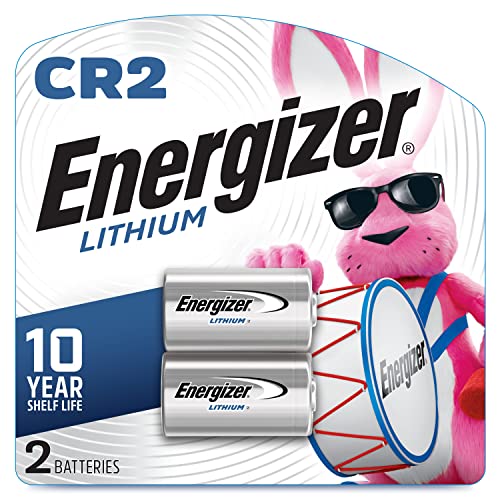
Energizer CR2 Lithium Batteries (2 Pack)

Duracell CR123A 3V Lithium Battery, 2 Count

Energizer 123 Lithium Batteries (6 Pack)

POWEROWL CR123A 3V Lithium Battery 6 Count
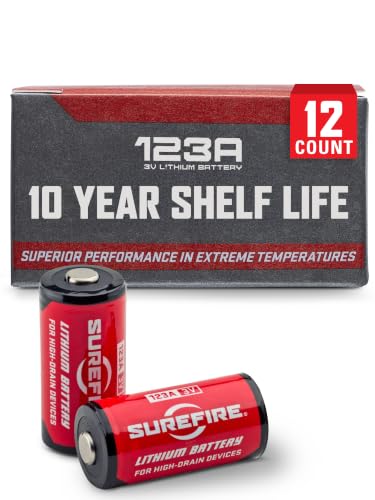
SureFire CR123A 3V Lithium Battery, 12 Pack

POWEROWL CR123A 3V Lithium Battery 12 Count
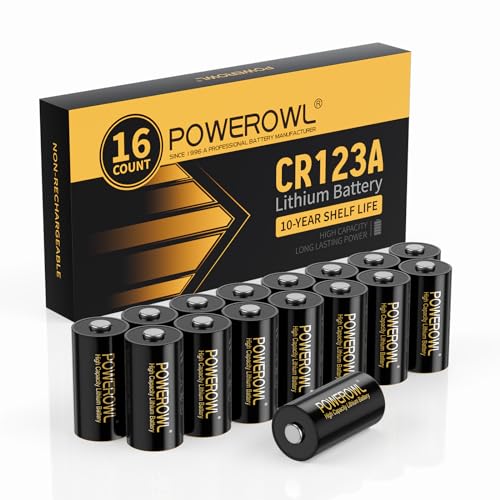
POWEROWL 123A 3V Lithium Battery 16 Count

anegine CR123A 3V Lithium Battery 16 Count

anegine CR123A 3V Lithium Battery 40 Pack

anegine CR123A 3V Lithium Battery 20 Count
The Picks, Examined More Closely
Energizer’s CR2 cell is technically a sibling to the CR123A, not the same battery. Photographers and hunters carrying rangefinders know the difference: this shorter, narrower 3V lithium fits specific optics and older film gear that the larger cells simply will not drop into.
For anyone needing power for a dedicated rangefinder or compact photo device, this 2-pack is sized right. Unlike the broader CR123A models in this roundup, it isn’t a do-everything household spare, so most people should skip it unless they actually own gear that calls for CR2.
Useful Highlights
- Tailored for CR2-specific rangefinder and photo gear
- 3V lithium chemistry holds charge well in storage
- Brand-name build from a familiar household name
Things To Consider
- Not interchangeable with CR123A devices, so check your device first
- Only two cells in the pack, leaving spares thin for power-hungry optics
Best Suited To
Golfers, hunters, and survey techs running rangefinders or compact laser gear that specifically requires CR2 cells.
Consider Something Else When
You need batteries for home security cameras or tactical flashlights, since the Duracell CR123A 2 Pack in this roundup matches that use better.
The Duracell CR123A lands at #2 because of how often it shows up in everyday security and lighting gear. The branded cell powers tactical flashlights, motion sensors, and home security cameras like Ring, Nest Cam, and Arlo units that draw steady current around the clock.
At just two cells per pack, this is the right size for someone topping off a single device, not for a household with several cameras running at once. The upside is that you can verify each cell is fresh rather than gambling on a bulk pack of unknown storage age.
The Practical Payoff
- Higher energy density than alkaline in demanding drain situations
- Compatible with the most common CR123A smart home and security brands
- Small pack fits neatly in a camera bag or junk drawer
Trade Offs
- Only two cells, so a household with multiple sensors needs more packs
- Not suited for very high-drain tactical use that bigger brands like SureFire specifically engineer for
Quick Facts
Who It Suits Best
Anyone with one or two security cameras or smart home sensors who wants a familiar brand on the shelf.
Look Elsewhere When
You run five or more camera or sensor units and would rather buy fewer, larger packs like the POWEROWL 12 or 16 count options below.
The Energizer 6 pack hits a sweet spot for most households. The cells replace 5018LC, CR123, CR123A, CR17345, and EL123 codes, which covers nearly every mainstream smart home gadget, camera, and tactical light you already own.
For someone outfitting a Ring doorbell, an Arlo camera, and a high-output flashlight, this is the kind of bulk buy that just makes sense. Unlike the smaller Duracell 2 pack above, six cells means you can stockpile spares without committing to a 12 or 16 cell investment.
What It Does Well
- Works across five cross-reference codes, so one purchase covers mixed devices
- Six-cell pack strikes a balance between spare coverage and shelf waste
- Brand recognition helps when matching specifications in your device manual
Points To Note
- Six cells can run short quickly for households with multiple cameras in constant rotation
- Storage life is a manufacturer claim; cell performance in older stock can vary depending on storage conditions
The Right Fit
Smart home users and casual flashlight owners who want a recognizable brand without buying in massive bulk.
A Better Fit Elsewhere
Security pros who swap batteries weekly should consider the POWEROWL 16 Count pack further down, which costs less per cell.
POWEROWL’s 6 pack is built for shoppers who don’t want to pay a brand tax. The cells target high-drain flashlights and camera gear, with built-in safeguards against leakage and corrosion that protect pricier devices over time.
You trade a familiar label for a noticeably friendlier cost per cell, which makes sense if you cycle through batteries regularly. For someone powering a low-cost tactical flashlight or a security sensor cluster, this pack covers you without breaking the bank.
A Favorable Mix
- Lower cost per cell than most name-brand alternatives
- Anti-leakage construction reduces device damage over time
- Standard CR123A fit, so it slots into most common flashlights and cameras
Minor Gripes
- Capacity specs aren’t independently published by the brand, so you’re trusting a lesser-known label
- Long-term performance in extreme temperatures is less documented than established brands
Right Fit For
Budget-focused households running multiple battery-hungry sensors who want a safe, lower-cost option.
Skip It When
You’re powering professional-grade tactical lights where the SureFire 12 Pack is engineered for that workload.
SureFire designs batteries for the same demanding flashlights their company makes, so this 12 pack handles high-drain drain spikes that cheaper cells flatten out under. Wide temperature tolerance matters for outdoor use, and the 10-year shelf life holds up whether you’re storing them in a glove box or a gear bag.
The price per cell is higher than commodity brands like POWEROWL or anegine, but for tactical and emergency professionals, that difference buys consistent output. You don’t want to learn mid-incident that your flashlight dimmed because the battery sagged.
Well-Handled Touches
- Optimized for high-drain tactical flashlights, so output stays steady under load
- Wide operating temperature range handles outdoor and emergency conditions
- Twelve-cell count reduces reorder trips for multi-light kits
Honest Caveats
- Pricier per cell than POWEROWL or anegine options in this roundup
- The pack is listed as non-returnable, so buy the count you actually need
Feature Snapshot
Made For
First responders, security staff, and outdoor enthusiasts running premium tactical flashlights.
Reach For A Different Pick When
You mostly power low-drain smart home sensors; the POWEROWL 12 Count is more cost-effective there.
Stepping up from the 6 pack, POWEROWL’s 12 count doubles down on bulk savings while keeping the same anti-leakage protections. For homes with several security cameras or a network of door and window sensors, a dozen cells in a drawer means you’ll spend more time using your gear and less time reordering.
The cell codes cover 123, 123A, C123, and related variants, which makes the pack genuinely cross-compatible. Where the Energizer 6 pack above wins on brand familiarity, this 12 pack wins on price-per-cell math for steady users.
The Good Stuff
- Twelve cells suit a typical multi-camera household’s yearly turnover
- Cost per cell drops noticeably compared to the 6-pack sibling
- Cross-compatible with CR123, CR123A, and C123 codes
Less Ideal Details
- Bulk purchases require proper storage to keep all 12 cells fresh
- Capacity claims match but aren’t independently verified against premium brands
Best Match For
Homeowners running four or more CR123A-powered devices at any given time.
Swap It Out When
You only run one or two devices, since the Duracell 2 Pack avoids bulk oversupply.
POWEROWL’s 16 count leans into genuine bulk territory, targeting households running flashlights, cameras, and motion sensors simultaneously. The cross-reference list is long, covering Cr123A, 123, C123, and CR17345 codes that map to dozens of mainstream devices.
You commit to a chunky 16-cell haul, but the cost math works out better per cell than buying multiple smaller packs over time. Compared to the 12 count just above, you’re adding four more cells for the same general use case without much extra storage burden.
Positive Takeaways
- Sixteen cells suit households treating batteries as routine replacements
- Multi-code compatibility covers cameras, flashlights, and sensors in one pack
- Anti-leakage design protects high-value electronics during long in-device storage
Some Limits To Know
- Sixteen loose cells require a storage container to stay organized
- Not optimized for high-drain tactical lights compared to dedicated brands like SureFire
Feature Card
Perfect Match For
Multi-device households that prefer one big order over several small restocks throughout the year.
Where A Sibling Pick Shines
Specialized tactical users should reach for the SureFire 12 Pack instead, which trades capacity for engineering precision.
anegine publishes a 1650mAh capacity rating, which is a specific number not every brand in this roundup bothers listing. For shoppers who want a concrete figure instead of vague “high capacity” wording, this transparency is genuinely useful.
The 16-cell count matches the POWEROWL 16 above, but the marketing emphasis on output rating draws a slightly different crowd. Compare that pack to this one, and the honest read is that anegine leans harder on technical labeling.
Reasons It Performs
- Disclosed 1650mAh capacity gives shoppers a real number to compare
- Stable 3V output suits wireless doorbells and similar devices with strict voltage needs
- Listed as non-rechargeable, removing any confusion with rechargeable CR123A cells
Points To Keep In Mind
- Brand is less known than Energizer or Duracell, so long-term support is harder to predict
- Capacity claims are best verified against premium cells in actual devices, depending on drain profile
Whose Shelf It Belongs On
Tech-comfortable shoppers who compare mAh numbers across brands and want a labeled figure.
Not Your Match When
You prioritize brand reputation above capacity data, since the Energizer 6 Pack carries stronger name recognition.
The 40 pack is overkill for casual shoppers but a smart buy for small workshops, security businesses, or anyone running a battery bank for emergency preparedness. Self-discharge is rated below 1% per year, so cells pulled from storage two years later still hold useful capacity.
The downside is obvious: 40 cells is a lot to store safely and a lot of money up front. If you burn through CR123A at any real pace, this is the cheapest per cell; if you don’t, you’ll have a small mountain of batteries in your closet for years.
What Earns Its Place
- Low self-discharge rate means long-term storage stays viable
- Best per-cell price in this entire roundup
- Same 1650mAh rating as the smaller anegine pack above
Practical Considerations
- Requires a dedicated storage box or container to keep cells organized
- Front-loaded cost is high; you’ll wait a long time to use all 40 cells
Spec Overview
Made For
Workshop owners, security installers, and emergency prep enthusiasts who cycle through dozens of cells yearly.
Skip It When
Your household goes through one or two cells a year, since the anegine 20 Count below matches that pace better.
The 20 count lands between the standard household pack and the bulk-buy extremes. It’s the version of anegine’s CR123A that fits a steady but not crazy battery turnover, which is exactly how most smart home households actually use them.
Compared to the 40 pack above, you’re paying a slightly higher per-cell price but skipping the storage hassle. For someone tired of the 6 or 12 pack but unsure about going full bulk, this is the middle path that rarely disappoints.
Advantages To Know
- Twenty cells is enough for a year of typical household device swaps
- Same published 1650mAh rating as the rest of the anegine line
- More affordable per cell than smaller packs without the storage demands of the 40 count
Honest Caveats
- Still a brand that requires you to trust a less familiar label
- You may find the 20-cell count runs long if your device count is small
Core Details
Right Fit For
Households with a moderate rotation of cameras and sensors who want a balanced mid-size pack.
Another Choice May Suit
Specialized tactical light owners will appreciate the SureFire 12 Pack engineering more than a generic mid-bulk option.
What To Weigh Before Choosing 123 Lithium Batteries
Match the Battery Code to Your Device
Every CR123A device lists compatible codes somewhere on the case or in its manual. CR123A, 123, 123A, CR17345, and EL123 all describe the same physical cell, while CR2 is a smaller sibling that won’t fit the same gear. Pull out your device and confirm before any purchase; mismatched sizes damage compartments and waste money.
Pack Size vs. Realistic Usage
A 40 pack only makes sense if you actually cycle through cells. Most households with one or two cameras replace a battery once or twice a year, which makes a 2 or 6 pack the practical choice. Buying bulk beyond your consumption just leaves cells aging in a drawer and eroding any savings.
Storage Life and Temperature Reality
The 10-year shelf life claim assumes cells stay in a cool, dry environment. Glove boxes in summer heat, garage workshops, or humid basements shorten that timeline noticeably. For emergency kits, store cells inside sealed bags with desiccant to slow self-discharge.
Brand Familiarity vs. Cost Savings
Established brands like Duracell, Energizer, and SureFire publish less capacity detail but offer more predictable supply chains. Smaller brands like POWEROWL and anegine disclose specs and undercut on price, though long-term support and warranty paths are harder to map. The honest read is that major-brand cells ship consistently, while budget packs can be hit-or-miss depending on the lot.
Key Considerations Across These Picks
Where Shoppers Go Wrong
The most common mistake is grabbing a 2-pack without checking how many devices actually use CR123A in your home. A single camera might justify it, but most households have a flashlight and a sensor or two also drawing from that stash. The other pitfall is treating CR2 and CR123A as interchangeable: they share voltage but not dimensions, so the wrong cell simply won’t fit.
When Paying More Pays Off
Higher-tier brands like SureFire earn their premium in tactical flashlights and extreme temperature conditions where cheap cells sag or fail. For a casual household camera in climate-controlled space, the upgrade rarely shows; for outdoor use, emergency kits, or professional gear, the engineering difference matters. Spend up where reliability is non-optional, and save where it’s just a routine swap.
Frequently Asked Questions
Can CR123A batteries be recharged?
Standard CR123A cells in this roundup are non-rechargeable. Rechargeable RCR123A variants exist but require a specific device and charger; using a non-rechargeable cell in a rechargeable circuit risks leakage or rupture. Always check your product for the recharge symbol before swapping chemistries.
How long do CR123A batteries actually last in use?
In a low-drain security sensor, a CR123A can power the unit for a year or more. In a high-drain tactical flashlight, the same cell might run a few hours at full output before dropping voltage. Real-world runtime depends heavily on the device’s current draw profile.
Are expensive CR123A batteries worth the premium cost?
Premium brands deliver steadier voltage under heavy drain and typically use stricter quality control. For everyday household devices in mild conditions, the difference is hard to notice. For tactical or outdoor use, premium cells justify the higher price through more reliable output.
What’s the difference between CR123 and CR123A?
These codes describe the same physical battery with identical voltage and dimensions. Manufacturers use different naming conventions, but a CR123 and a CR123A are functionally interchangeable in any device that accepts either code. Match by physical fit and listed voltage rather than letter suffix alone.
How should I store spare CR123A batteries?
Keep them in their original packaging inside a cool, dry location away from direct sunlight. Avoid extreme heat and humidity, which speed up self-discharge. Storing them in a sealed bag with a desiccant packet extends shelf life further, especially in climates with seasonal swings.
Wrap Up
The right CR123A pack comes down to matching your real device count, climate, and tolerance for off-brand labels. Casual households with a camera or two can stop overthinking and grab the Energizer 6 Pack or POWEROWL 12 Count; tactical users should stick with SureFire for predictable output. Match the battery to the workload, and your gear stays powered when it matters most.