A solid 12V DC battery quietly anchors a surprising amount of gear: backup cameras, off-grid solar setups, RV house banks, LED light runs, and DIY electronics projects. The wrong match wastes money on underbuilt capacity or a chemistry that fights cold weather. The right one just works, day after day, without you thinking about it. This guide breaks down seven solid options worth your attention, each tuned to a different real-world use case.
A Closer Look At The Lineup

rapthor 12V 2600mAh Rechargeable Li-ion Battery Pack with Charger

Metal Plate for Magnetic Wireless Backup Camera

VATRER POWER 12V 300Ah LiFePO4 Deep Cycle Battery
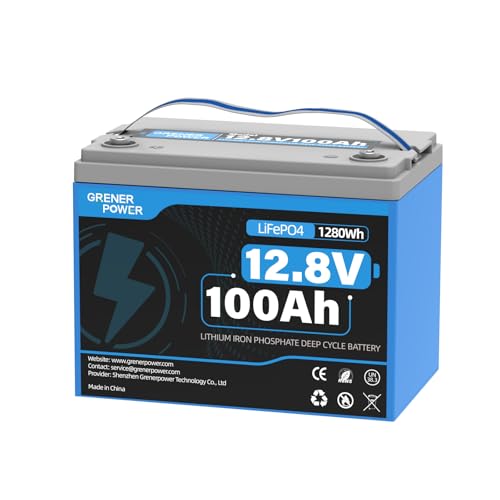
GrenerPower 12V 100Ah LiFePO4 Battery Group 24

Amazon Basics 4-Pack 23A Alkaline Battery, 12 Volt
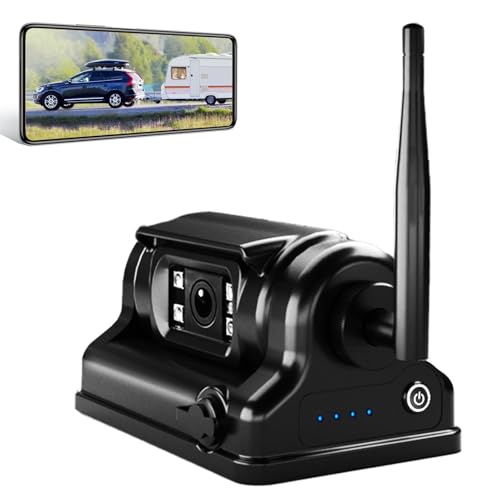
INSEETECH Magnetic WiFi Backup Camera for Phone

INSEETECH 8700mAh Magnetic 12V DC Battery Pack
Meet The Standout Selections
The rapthor 12V 2600mAh pack arrives as a tidy, brick-sized Li-ion (lithium-ion) module with a bundled 12.6V/1A charger, a DC power connector, and a pigtail lead. For hobbyists running low-draw 12V gear, it’s a clean middle ground between disposable batteries and full deep-cycle lithium setups. Unlike the GrenerPower 100Ah unit below, this one is sized for short, portable tasks rather than whole-house backup.
Output tops out at 3A with built-in BMS (battery management system) protection, which monitors voltage and temperature to prevent overcharge and deep discharge damage. Owners commonly use it for LED strip runs, CCTV nodes, fishing lights, small Bluetooth speakers, and similar DC accessories. Depending on your load profile, runtime will vary, but the included pigtail and connector strip out extra wiring hassle.
Notable Gains
- Compact, brick-style form slides into camera housings, project boxes, and tool bags without ceremony.
- Bundled 12.6V/1A charger plus pigtail and DC connector cuts setup time to a few minutes for most DIY loads.
- Built-in BMS keeps the pack safe from overcharge and short circuits during long project sessions.
- Up to 3A continuous output handles small Bluetooth speakers, routers, and LED strip runs comfortably.
Points To Note
- 2600mAh is light for anything more demanding than cameras and indicator lighting, so verify your device’s amp draw before committing.
- The 1A charger means a full top-up takes a while; overnight charging is the practical routine.
Who Will Love This
Hobbyists running short-burst DC loads under about 3A, from CCTV rigs to compact LED setups, will get the most mileage.
Skip It When
If you need sustained deep-cycle power for an RV house bank or solar array, the VATRER POWER 12V 300Ah deep cycle unit is the better match.
This isn’t a battery at all, but it solves a real headache that the INSEETECH magnetic camera above runs into on non-metal bodies. The metal mounting plate turns fiberglass, plastic, or aluminum panels into a magnetic-friendly base for the INSEETECH wireless backup camera system. Think of it as the missing adapter when your trailer or truck bed walls won’t hold a magnet.
Installation is flexible: stick it on with the included double-sided adhesive for a clean, no-hole mount, or screw it down for a more permanent hold. The whole plate carries an anti-rust coating, so rain, road salt, and winter slush won’t chew through it. It’s a small accessory that quietly removes the biggest friction point for magnetic camera systems.
A Few Strong Suits
- Magnetic-friendly base works on fiberglass, plastic, and aluminum where bare magnets won’t grab.
- Dual install paths (adhesive or screws) let you choose between clean appearance and maximum hold.
- Anti-rust coating stands up to road salt, rain, and repeated wash cycles.
Trade Offs To Consider
- Adhesive mounting depends on a clean, prepped surface; skipping the alcohol wipe step usually means a premature release.
- Designed primarily for INSEETECH cameras, so verify fit if you run a different magnetic backup system.
Made For
Trailer and fiberglass-body owners who want the no-drill convenience of a magnetic camera without losing mounting flexibility.
Reach For A Different Pick When
If you don’t already own the INSEETECH magnetic camera, start with the INSEETECH WiFi Backup Camera instead, since it bundles the whole system.
The VATRER POWER 12V 300Ah is built for serious off-grid and solar work, where a typical lead-acid battery would buckle under repeated deep cycling. As a LiFePO4 (lithium iron phosphate) pack, it trades weight and bulk for usable capacity and a much longer cycle life. The standout twist is its self-heating system: once charging current exceeds 10A, the BMS watches cell temperature and kicks in an internal heater below freezing.
That’s the difference between a lithium battery that refuses to charge on a January morning and one that just quietly works. APP monitoring adds Bluetooth telemetry so you can check state of charge and cell health from your phone. For cold-climate cabins, RV solar banks, or marine house banks, this is one of the more practical heavy-hitters in the 12V DC battery category.
Bright Spots
- Self-heating BMS activates below freezing when charging, letting cold-climate owners actually use their bank year-round.
- 300Ah of LiFePO4 capacity handles multi-day off-grid loads without the voltage sag common in lead-acid banks.
- APP-based Bluetooth monitoring shows state of charge and individual cell health in real time.
- Deep-cycle chemistry tolerates frequent discharge cycles far better than conventional lead-acid alternatives.
Honest Caveats
- Self-heating only activates once charging current exceeds 10A, so low-amperage solar winter charging may not warm the cells.
- Large form factor needs secure mounting in a vehicle, cabinet, or compartment to handle road vibration.
Quick Facts
Right Fit For
Off-grid cabin owners, RV solar households, and marine users who need dependable 12V power in cold climates will benefit most.
Look Elsewhere When
For lighter RV or trolling motor duty where 100Ah is plenty, the GrenerPower 12V 100Ah battery is a friendlier size and price.
The GrenerPower 12V 100Ah lands in the sweet spot most RV and marine shoppers actually need: enough capacity for a weekend of lights, a fridge, and a trolling motor, without the bulk of a 300Ah bank. It’s a Group 24 form factor, which means it drops into many standard battery trays without modification. Cylindrical Grade A+ cells and a 100A BMS form the core of a 5-layer protection scheme covering overcharge, overdischarge, short circuit, overcurrent, and overheat.
Cycle life is rated up to 15,000 cycles, which puts it comfortably ahead of typical lead-acid replacements in long-term value. If your rig is parked for a season, you’ll appreciate that LiFePO4 holds charge with minimal self-discharge compared to flooded batteries. For home energy storage alongside a small inverter, this is a sensible scale-up from a portable pack like the rapthor above.
Benefits That Matter
- 15,000-cycle rating offers a step-change in service life versus traditional lead-acid deep-cycle batteries.
- Group 24 form factor fits standard RV and marine battery trays, simplifying retrofit installs.
- 5-layer BMS protection covers the failure modes that commonly kill cheaper lithium packs.
- Cylindrical Grade A+ cells resist swelling and deliver consistent voltage under load.
Less Ideal Details
- LiFePO4 batteries need a charger rated for lithium chemistry; pairing with a leftover lead-acid charger can undercharge the pack.
- At 100Ah it’s still a sizable, heavy box; check tray dimensions before assuming a drop-in fit.
Feature Snapshot
Best Suited To
RV households, trolling motor users, and small off-grid setups that want drop-in lithium without going full 300Ah.
Swap It Out When
If your cabin or RV demands multi-day autonomy without recharging, the VATRER POWER 12V 300Ah is the bigger step up.
This is the smallest, simplest 12V DC battery on the list, and it earns its place by being everywhere you need it. The 23A cell is a long-standing standard in key fobs, garage door remotes, security sensors, and similar low-drain devices. A four-pack covers a year’s worth of replacements for a typical household without breaking a sweat.
The trade-off is chemistry and form factor. Alkaline is single-use, so once the fob goes dim, you swap rather than recharge. Compared to the rechargeable rapthor pack above, there’s no BMS or current limit to think about, just drop and go. For the dollar per device it powers, this is one of the most economical 12V picks around.
Useful Touches
- 4-pack covers multiple remotes and sensors around the house at once, no second trip to the store.
- Heavy-duty casing adds drop resistance if a fob gets fumbled during a battery swap.
- Standard 23A form factor fits the widest range of key fobs and garage openers in circulation.
- Shelf-stable alkaline cells stay ready in a junk drawer until a remote finally dies.
Softer Spots
- Alkaline chemistry is single-use, so each replacement adds a small recurring cost versus rechargeable cells.
- Not designed for anything beyond key fobs and small sensors, so don’t try to substitute it for a backup camera battery.
Whose Shelf It Belongs On
Anyone with multiple garage remotes, car fobs, or wireless sensors will appreciate keeping a spare pack within reach.
Consider Something Else When
If you need a rechargeable 12V source for a backup camera, the INSEETECH 8700mAh Magnetic Battery Pack is the proper match.
Hardwiring a backup camera used to mean routing cable through panels, splicing into reverse lights, and a Saturday lost to fishing wire. The INSEETECH magnetic WiFi camera trades all that for a strong magnetic base and a wireless link straight to your phone. For renters, leased work trucks, or anyone who swaps trailers often, that tradeoff is a revelation.
Live monitoring streams in 1080P via the companion app, giving a clear view behind the vehicle without a dedicated dash screen. Compared to the metal mounting plate above, this is the camera itself, designed to magnetically click onto any ferrous (iron-containing) surface in seconds. If you want the camera but your rig is fiberglass, the plate solves that gap.
What Works In Its Favor
- Magnetic base installs in seconds with no drilling, splicing, or interior trim removal.
- 1080P live feed streams to a phone over WiFi, eliminating the need for a dedicated monitor on the dash.
- Repositionable setup makes it easy to move between trailers, trucks, and project vehicles.
- Renter-friendly install leaves no permanent marks, ideal for leased vehicles.
Practical Considerations
- WiFi-based feed means brief latency, so it’s a viewing aid rather than a low-latency safety system.
- Magnet won’t grab fiberglass or aluminum bodies without the metal mounting plate from pick 2.
Perfect Match For
Trailer owners, renters, and multi-vehicle households who want a backup view without committing to a hardwired install.
A Better Fit Elsewhere
For a hardwired, low-maintenance install on a daily driver, a traditional rear-view camera setup is a more permanent route.
The 8700mAh magnetic battery pack rounds out the INSEETECH ecosystem by giving the wireless camera a dedicated 12V DC power source that mounts without tools. For tow rigs, equipment trailers, and heavy-duty trucks, this removes the last wiring argument against a wireless camera system. Compared to the rapthor pack above, it’s tuned for higher capacity at sustained camera draw.
The built-in magnet clamps to roofs, undercarriages, or side panels with one hand, and you can reposition it freely without unbolting anything. It pairs naturally with the INSEETECH WiFi camera in pick 6, completing a fully wireless, tool-free rear-view setup. Owners commonly mount it close to the camera so cable runs stay short and tidy.
Good Reasons To Consider
- 8700mAh capacity gives the wireless camera extended runtime between charges for long-haul trips.
- Tool-free magnetic mount repositions in seconds across trailers, trucks, and equipment.
- Eliminates hardwiring into reverse light circuits, simplifying install on tow vehicles and rentals.
- Designed as a matched power source for the INSEETECH magnetic backup camera family.
Things To Weigh Up
- Magnet needs a ferrous (iron-containing) mounting surface, so non-metal trailer walls require the metal plate from pick 2.
- Higher capacity adds weight, which is worth noting if you reposition it often between trips.
Who Should Grab It
Trailer and tow vehicle owners who already run, or plan to run, the INSEETECH magnetic camera and want a clean, wireless power source.
Where Another Pick Suits Better
For an RV solar house bank or cabin setup, the GrenerPower 12V 100Ah battery is the right scale for sustained loads.
Picking The Right 12V DC Battery For The Job
Match Capacity To Real Load, Not Hype
A 12V DC battery is only useful when its amp-hour rating covers the actual draw of your gear. For a wireless backup camera or a small LED run, an 8700mAh pack is plenty. For an RV fridge, lights, and a trolling motor over a weekend, you’re looking at the GrenerPower 100Ah territory. Multiplying your device’s amp draw by the hours you plan to run gives you a workable target capacity before you start browsing.
Chemistry Shapes Maintenance And Weight
The three chemistries on this list behave very differently. LiFePO4 (lithium iron phosphate) is the modern default for deep-cycle work, offering long cycle life, low self-discharge, and lighter weight than lead-acid. Li-ion packs like the rapthor module are great for portable, low-draw projects. Alkaline 23A cells are single-use but unbeatable for tiny devices like key fobs where weight and rechargeability don’t matter.
Cold Weather Changes The Math
Lithium batteries lose charging ability below freezing unless they have a self-heating function. The VATRER POWER unit includes internal heaters that activate below 32°F, which matters a lot for winter cabins and northern RV trips. If your battery lives in a heated garage or warm climate, you can ignore this entirely. If it doesn’t, factor heating into the cost.
Verify Form Factor And Charger Compatibility
A battery that doesn’t fit the tray is useless, so Group 24 sizing on the GrenerPower unit is a real practical plus for RV and marine swaps. Lithium chemistries also need a compatible charger profile; older lead-acid chargers can undercharge them. Confirm your charger or inverter supports lithium before committing, or plan to upgrade that piece of the system.
Key Considerations Across These Picks
Common Shopping Slip Ups
The biggest trap in the 12V DC battery category is buying capacity you don’t need, or skipping capacity you do. Shoppers often grab a 300Ah bank for a weekend camera and end up hauling unnecessary weight, while under-buying an RV house bank leaves them without a working fridge by Saturday night. Match amp-hours to a realistic load calculation, not a round number. Equally common: using a leftover lead-acid charger on a lithium pack, which silently undercharges and shortens service life.
What The Higher Tier Buys
Stepping up to a heavier-duty battery like the VATRER POWER 300Ah or GrenerPower 100Ah buys three things: longer cycle life measured in thousands of cycles, built-in BMS protection that watches the cells for you, and accessories like Bluetooth monitoring or cold-weather self-heating. For weekend warriors with light loads, the upgrade isn’t worth it. For full-time RVers, off-grid households, and cold-climate users, those features pay for themselves in reliability and longer replacement intervals.
Frequently Asked Questions
What Is A 12V DC Battery Used For?
A 12V DC battery powers low-voltage DC electronics like backup cameras, LED lights, CCTV systems, RV house banks, trolling motors, and DIY projects. Anything that runs on direct current (DC) rather than household AC power is a likely candidate.
How Long Does A 12V DC Battery Last?
Service life depends on chemistry and use. Alkaline 23A cells last a year or two in a remote. LiFePO4 deep-cycle batteries like the GrenerPower 100Ah are rated for up to 15,000 cycles, often translating to a decade of regular use.
Can I Use A Car Battery Instead Of A 12V DC Battery?
Car starting batteries deliver short, high-amp bursts and are not built for repeated deep discharge. Deep-cycle or LiFePO4 batteries handle that workload without damage, making them the better pick for sustained 12V loads.
Do Lithium 12V Batteries Need A Special Charger?
Yes. Lithium chemistries require a charger with a compatible voltage profile, typically 14.4 to 14.6V absorption for LiFePO4. Using a lead-acid charger can undercharge the pack and reduce its usable capacity over time.
How Do I Know What Capacity I Need?
Estimate the amp draw of your device, multiply by the hours you plan to run it, and add a buffer. For a 1A camera running 10 hours, you’d want at least 12 to 15Ah of usable capacity for comfortable headroom.
Bottom Line
Pick the battery that matches your actual load and environment, not the biggest number on the shelf. A magnetic 12V pack is right for trailers and cameras; a 100Ah LiFePO4 bank fits most RV and marine needs; a 300Ah unit with self-heating belongs in cold-climate off-grid setups. Match the chemistry, capacity, and form factor to your gear, and the rest takes care of itself.