Swapping a tired backup battery can feel like guesswork, especially when the original gear calls for a specific 12V 8Ah footprint. Homeowners chasing a direct drop-in replacement, hobby builders running ride-on toys, and anglers powering fish finders all want reliable capacity without overspending. The ten options below cover sealed lead-acid classics and modern lithium alternatives, so you can match chemistry, terminal type, and use case to your gear.
The Leading Options At A Glance

Mighty Max Battery ML8-12 12V 8AH Replacement Battery (10 Pack)

GOLDENMATE 12V 10Ah LiFePO4 Lithium Battery, IP67 Waterproof
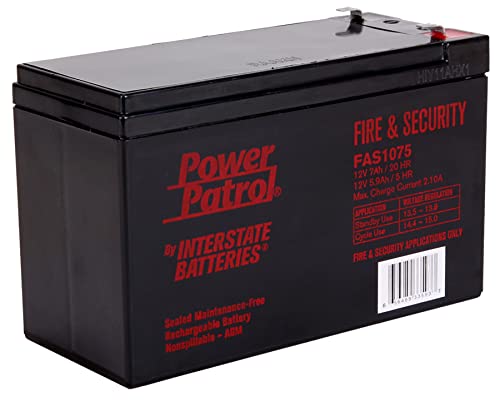
Interstate Batteries SLA Battery 12V 7Ah AGM Power Patrol FAS1075

GOLDENMATE 12V 7Ah Lithium LiFePO4 Battery, IP67 Waterproof

Mighty Max Battery 12V 8AH Replacement for ES500 ES550 ES750G

GOLDENMATE 12V 12Ah Lithium LiFePO4 Battery (2 Packs), IP67

AJC Battery Compatible with ELK 1280 12V 8Ah
Mighty Max Battery 12V 8AH SLA Replacement for Elk 1280

Interstate Batteries SLA Battery 12V 8Ah AGM VRLA (F2 Terminal)

Interstate Batteries SLA Battery 12V 18Ah AGM VRLA (Nut & Bolt)
A Breakdown Of The Leading Choices
Contractors outfitting a bank of access-control panels or homeowners stocking the workshop for several years of alarm maintenance get a different value story with this ten-pack than with the single-cell options further down the list. Each unit is a sealed lead-acid (SLA) cell rated at 12V and 8Ah, using absorbed glass mat (AGM) construction that holds electrolyte in a fiberglass mat rather than free-flowing liquid, so the battery resists spills even when mounted on its side. The compact 5.94 by 2.56 by 4.02-inch case with F1 spade terminals slips into standard alarm and backup housings without forcing any cabinet rewiring.
For anyone running a property with multiple low-voltage nodes, having a spare on the shelf removes the panic of a failed battery during a storm. Trade buyers who rotate SLA cells every few years can rotate through the pack without reordering, which keeps service calls quick.
The Helpful Details
- Ten-unit quantity lowers the per-cell cost for fleet or multi-site replacements.
- AGM construction tolerates tilt and vibration in tool carts and mobile rigs.
- Wide operating temperature range supports garages, attics, and unheated sheds.
- Maintenance-free sealed design eliminates watering or equalization checks.
- Standard F1 terminals match most entry-level alarm and backup enclosures.
Worth Noting
- No wire harness or mounting hardware ships in the box, so cabling must come from your stock.
- Lead-acid chemistry weighs more than the lithium alternatives reviewed here, a factor for portable setups.
- Spare cells should be topped up every six months if unused, since SLA slowly self-discharges in storage.
Feature Snapshot
Made For
Property managers and trade installers who rotate through batteries across multiple enclosures and prefer buying in volume.
Consider Something Else When
The Mighty Max Battery 12V 8AH Replacement for ES500 ES550 ES750G suits better when you only need a single UPS swap rather than ten cells.
Lithium iron phosphate, often shortened to LiFePO4, swaps the heavy lead plates of an SLA battery for a much lighter chemistry that also lasts longer in cycle counts. This 12V 10Ah cell sits above the classic 8Ah rating while weighing a fraction of the Mighty Max pack above. An IP67 rating means the sealed case resists dust and brief full immersion in water, which opens up kayak-mounted fish finders, lighting rigs at outdoor events, and trolling motors that occasionally take spray.
Where the SLA picks shine in stationary boxes, this one earns its keep on the move. The built-in battery management system (BMS) is the small circuit board inside that guards against overcharge, deep discharge, and short circuits, so you can leave it on a solar maintainer without babysitting voltage curves.
Practical Advantages
- 5000-plus cycle rating outlasts lead-acid by a wide margin in daily-use scenarios.
- IP67 sealing survives splashes, rain, and the occasional dunk on a boat or campsite.
- Integrated BMS protects against overcharge and short-circuit damage automatically.
- Lightweight lithium build trims pounds from kayak carts and portable light stands.
Trade Offs
- Requires a charger profiled for lithium chemistry, which older SLA chargers may not deliver correctly.
- Higher upfront cost than the bulk SLA ten-pack if you only need one cell.
Whose Shelf It Belongs On
Anglers, campers, and off-grid hobbyists who want a weather-sealed lithium pack for portable gear.
A Better Fit Elsewhere
The Mighty Max Battery ML8-12 12V 8AH Replacement Battery (10 Pack) makes more sense for stationary alarm cabinets where weight does not matter.
Fire panels and intrusion alarm boards tend to spec a slightly smaller 7Ah cell rather than the 8Ah standard, and the Power Patrol FAS1075 is built specifically for that role. Each unit ships as part of an eight-pack, which mirrors the multi-year maintenance reality for installers working across several accounts. The AGM construction behaves predictably through brownouts, and the brand’s compatibility guide lists dozens of common panel models, which removes some guesswork during service calls.
Homeowners running a single hardwired alarm can still buy the pack and bank the extras for future swaps, since SLA cells degrade every few years regardless of use.
What Works In Its Favor
- Common fit for fire panels and intrusion alarm boards in residential installs.
- AGM spill-proof design lets it sit upright, sideways, or overhead without venting.
- Eight-unit pack lowers per-cell cost for service technicians.
Honest Caveats
- Rated at 7Ah rather than 8Ah, so it falls short if your device explicitly calls for the larger capacity.
- Lead-acid weight adds up across the full eight-pack on a service truck shelf.
Right Fit For
Security installers and homeowners maintaining a 12V alarm or fire panel that calls for a 7Ah replacement.
Look Elsewhere When
The GOLDENMATE 12V 10Ah LiFePO4 Lithium Battery suits better when you want a longer-lasting lithium upgrade rather than an SLA-equivalent.
Ride-on toys and small fish finders punish heavy batteries, which is why this 2.07 lb lithium cell earns attention despite its 7Ah capacity. Compared with the bulkier Interstate Power Patrol above, it weighs roughly a third as much and slips into the battery compartment of a child’s power wheels without adding tippy mass at the rear. The IP67 rating keeps splashes and puddle splatter from killing the cell, and the same LiFePO4 chemistry promises thousands of recharge cycles before capacity fades.
For people running small 12V garden lighting or fish finders from a kayak, the weight savings translate to longer trips and easier portages.
Noteworthy Benefits
- Sub-three-pound lithium design is easy for kids’ gear and backpackable electronics.
- IP67 sealing handles rain, splashes, and accidental drops in shallow water.
- 5000-plus deep cycles outlast SLA in frequently discharged applications.
- Built-in BMS limits over-discharge when toys sit idle through winter storage.
Small Caveats
- Slightly lower 7Ah capacity than the 8Ah SLA equivalents reviewed here.
- Needs a lithium-compatible charger to reach the rated cycle count.
Perfect Match For
Parents powering kids’ ride-on toys and hobbyists running compact 12V accessories who value low weight.
Another Choice May Suit
The Interstate Batteries SLA Battery 12V 18Ah AGM VRLA (Nut & Bolt) is the smarter pick for sustained-draw equipment that needs more runtime.
APC Back-UPS units like the ES500 and BE550G take a beating over the years, and the original cells usually die long before the rest of the chassis. This single-unit Mighty Max replacement targets those legacy UPS housings, with the same 5.94 by 2.56 by 4.02-inch SLA footprint as the ten-pack earlier in this list. AGM chemistry keeps the orientation flexible when squeezing the cell back into the molded plastic holder, and F1 terminals reuse the existing harness clips without soldering.
Office workers with a single aging UPS under the desk get a cost-effective swap that brings backup runtime back without replacing the whole surge protector.
What Makes Sense
- Single-unit format avoids paying for extras when only one UPS needs service.
- Standard 12V 8Ah SLA spec covers most legacy APC Back-UPS models.
- AGM spill-proof build survives the angled mounts inside UPS housings.
A Few Limitations
- No wire harness included, so reusing the original connector matters for fit.
- Lead-acid weight still adds up when the UPS sits on a wall shelf.
Feature Rundown
Best Suited To
Home and small-office users refreshing a single legacy APC UPS that has lost its runtime.
Skip It When
The Interstate Batteries SLA Battery 12V 8Ah AGM VRLA (F2 Terminal) suits better when your UPS calls for F2 terminals rather than F1.
Heavier 12V loads like mobility scooters, small electric coolers, and larger fish finders drain an 8Ah cell in a hurry, which is where this 12Ah lithium two-pack earns its slot. The extra four amp-hours of headroom translates to noticeably longer runtime between charges for sustained-draw gear. Owners commonly appreciate the IP67 seal when the battery rides under a camper seat or strapped to a kayak hatch, where puddle splash is unavoidable. Two cells in the box also let you run a 24V series setup with the right cabling.
For off-grid enthusiasts who want both capacity and the long-cycle chemistry, the pair offers headroom that single SLA cells simply cannot match.
The Upside
- 12Ah per cell gives meaningful runtime over the 8Ah baseline for demanding loads.
- IP67 sealing protects against rain and brief water exposure in outdoor use.
- Two-pack format supports series wiring for 24V setups or parallel doubling of capacity.
- LiFePO4 chemistry holds voltage steadier under load than SLA chemistry.
Worth Bearing In Mind
- Higher price per pack than the smaller GOLDENMATE 7Ah lithium option.
- Larger case footprint may not fit toy compartments designed around a smaller SLA cell.
Who Should Grab It
Campers, mobility-scooter owners, and anglers running high-draw 12V gear who need extra runtime.
Swap It Out When
The GOLDENMATE 12V 7Ah Lithium LiFePO4 Battery is the better fit for compact ride-on toys where weight matters more than capacity.
ELK-1280 panels are popular for structured wiring in mid-sized homes, and the OEM battery eventually fades. This AJC replacement mirrors the original 12V 8Ah rating and uses F1 spade terminals that match the harness inside the ELK enclosure. Unlike bulk 10-packs, this listing targets a single owner with one panel to refresh, which keeps the purchase simple. The sealed lead-acid construction behaves like the cell it replaces, so no firmware updates or charger swaps are required.
Homeowners comfortable opening a panel cover and clipping the new cell into the existing harness can complete the swap in minutes.
The Value In It
- Direct-fit spec for the ELK-1280 panel removes compatibility guesswork.
- Single-unit purchase suits one-panel homeowners without overbuying.
- F1 terminals reuse the stock ELK harness without modification.
Points To Note
- Lead-acid weight still applies, so plan for a firm shelf inside the panel.
- Generic replacement rather than OEM branding, which some installers prefer to verify.
Who Will Love This
ELK-1280 owners who want a straightforward single-cell swap during routine alarm maintenance.
Reach For A Different Pick When
The Mighty Max Battery 12V 8AH SLA Replacement for Elk 1280 for Alarm Systems fits similarly and may be easier to source.
This Mighty Max single-cell listing targets the same ELK-1280 niche as the AJC option above, but with a different branding pedigree for installers loyal to one maker. The 12V 8Ah SLA rating and 5.94 by 2.56 by 4.02-inch case match the OEM footprint, so it drops into the panel without bracket shimming. AGM chemistry keeps the cell stable across temperature swings in utility closets and unconditioned garages, which is where many ELK panels live.
Buyers who rotate the same brand across multiple properties get consistency, and the maintenance-free sealed design removes the watering steps older flooded batteries required.
Useful Strengths
- Direct replacement form factor for the ELK-1280 panel.
- AGM construction tolerates varied mounting orientations inside enclosures.
- Maintenance-free sealed case avoids routine electrolyte checks.
- Wide operating temperature range handles garage and attic installs.
Things To Consider
- Single-unit purchase, so multi-panel properties will need multiple listings.
- Lead-acid weight still tips the panel balance when wall-mounted high.
Built With In Mind
Homeowners and installers who service ELK-1280 alarm panels and prefer a familiar SLA replacement brand.
Where A Sibling Pick Shines
The AJC Battery Compatible with ELK 1280 12V 8Ah is the better value when brand loyalty does not matter.
Most SLA replacements in this roundup use F1 spade terminals, but a sizable number of UPS models and medical carts ship with wider F2 tabs. The Interstate SLA1079 is built specifically for that fit, pairing the familiar 12V 8Ah rating with valve-regulated AGM construction (VRLA, which seals the cell while using a small valve to vent any pressure buildup). That makes it a natural pick for APC UPS units and emergency lighting where the harness expects the larger blade width.
Replacing with the wrong terminal is a common mistake in this category, so verifying F1 versus F2 before ordering saves a return trip.
Bright Spots
- F2 terminals match common UPS and medical equipment harnesses.
- VRLA construction resists spills across mounting angles.
- 12V 8Ah rating covers a wide swath of mid-size backup gear.
Practical Considerations
- Will not physically connect to F1 wiring without a terminal adapter or new harness.
- Single-unit listing, so multi-bay UPS owners should plan ahead.
Quick Facts
Right Fit For
UPS owners and medical-device users who specifically need F2 terminals for a clean harness match.
Not Your Match When
The Mighty Max Battery 12V 8AH Replacement for ES500 ES550 ES750G fits better for F1-terminal UPS swaps.
Some 12V loads simply outgrow an 8Ah cell, which is why Interstate keeps the 18Ah SLA1116 in rotation. Nut-and-bolt terminals give a solid mechanical connection for heavier cable gauges, which is important when the battery feeds a medical cart or a sustained-draw inverter. The larger case footprint rules out compact enclosures, but for shop floors, mobile workstations, and emergency lighting cabinets it delivers the runtime that smaller cells cannot match.
For anyone powering gear that drains a smaller battery in under an hour, stepping up to 18Ah often makes the difference between an inconvenient swap and an all-day work session.
What It Does Well
- 18Ah capacity doubles the runtime of smaller SLA cells in the same voltage class.
- Nut-and-bolt terminals accept heavier gauge cabling for sustained-draw gear.
- AGM VRLA design keeps the cell sealed for varied mounting positions.
Possible Compromises
- Larger case will not fit compact alarm cabinets built for 8Ah cells.
- Heavier than the lithium picks reviewed earlier in this list.
Made For
Workshop owners and medical-cart operators who need a high-capacity 12V SLA cell with secure bolt-on terminals.
Look Elsewhere When
The GOLDENMATE 12V 12Ah Lithium LiFePO4 Battery (2 Packs) is the smarter move if weight matters more than absolute capacity.
What To Weigh Before Choosing Your Next 12V 8Ah Battery
Start with the terminal type before anything else. Most SLA replacements use F1 spade terminals, but plenty of UPS and medical hardware expects the wider F2 blade. Bolts and nuts appear on heavier-duty cells. Buying the wrong terminal style is the single most common return in this category, and a quick glance at the existing harness saves a wasted week of shipping.
Chemistry is the next fork in the road. Sealed lead-acid cells are cheap, widely compatible, and forgiving of storage neglect, but they weigh more and lose capacity faster in deep-cycle use. LiFePO4 lithium cells weigh less, last for thousands more cycles, and seal against water, though they need a compatible charger and cost more up front. For a stationary alarm cabinet, SLA usually wins on price. For a kayak fish finder or a portable light rig, lithium usually wins on weight and longevity.
Capacity ratings deserve a sanity check too. The “8Ah” label refers to how many amps the cell can deliver for 20 hours, so a real-world high-draw device like a trolling motor will empty it faster than the rating suggests. Stepping up to 10Ah or 12Ah lithium, or 18Ah SLA, buys you headroom without changing the voltage class.
Finally, think about the environment. Garage and attic installs benefit from wide operating temperature tolerance. Outdoor and marine setups benefit from IP67 sealing. UPS bays benefit from low self-discharge so the cell still holds a charge after months on standby.
Key Considerations Across These Picks
Pitfalls Shoppers Hit
The most common mistake is ignoring terminal size. F1 and F2 spades look similar at a glance, and forcing the wrong one bends the blades. Measure the existing battery’s terminals or check the device manual before clicking order. Skipping the chemistry question is the next frequent trap: assuming an SLA charger will play nicely with a lithium replacement can shorten cell life, since lithium wants a different voltage cutoff. Buyers also sometimes overbuy capacity they will not use, which adds weight and cost to gear that only needs a small backup cell.
Where The Extra Money Goes
Stepping up from a generic SLA cell to a name-brand AGM usually buys better internal plate construction, which translates to steadier voltage under load and longer float life on standby. Moving from SLA to LiFePO4 jumps the price further, but the trade-off is thousands of additional cycles, a fraction of the weight, and a sealed case that tolerates water and rough mounting. In short, the extra dollars buy real longevity and resilience rather than just a louder label.
Frequently Asked Questions
What does 12V 8Ah actually mean?
The 12V is the nominal voltage, and 8Ah means the battery can deliver 8 amps for one hour under standard test conditions, though most devices pull far less and stretch the runtime.
Can a lithium battery replace a sealed lead-acid battery directly?
Often yes for capacity, but the charger must support the lithium voltage profile, and you should confirm the device does not rely on the SLA self-discharge curve for float behavior.
How long does a 12V 8Ah battery typically last in standby?
In a typical alarm panel that only sees a brief outage a year, an SLA cell usually lasts three to five years, while a LiFePO4 cell can stretch well beyond that in similar service.
Do I need to vent an SLA battery?
AGM and VRLA sealed lead-acid cells release gas only under heavy overcharge, so they are generally safe inside enclosed alarm cabinets, unlike older flooded cells that need venting.
Is it safe to mount a lithium battery on its side?
Yes, LiFePO4 cells are sealed and orientation-agnostic, which is part of the reason they fit so well in kayaks and tight compartments.
Closing Remarks
Match the terminal, match the chemistry, and match the capacity to the load, in that order. Once those three line up, the rest is mostly about brand familiarity and how many spare cells you want on the shelf. The picks above cover the common 8Ah baseline plus a few smart step-ups, so you can choose the one that suits your gear without second-guessing the basics.