A loose battery terminal has a way of ruining your morning. The cable wiggles, the engine cranks slower than it should, and somewhere under the hood a small piece of metal is quietly corroding away. Upgrading the hardware that ties cable to battery is one of the cheapest fixes you can make, and the right bolt-and-terminal setup pays off every time you turn the key. This roundup covers ten solid options across OEM replacements, heavy-duty kits, marine-grade cables, and panel-mount blocks, so you can match the part to the job instead of guessing at the parts counter.
The Main Contenders

Antigravity Batteries AG-TA-1 Brass SAE Terminal Adapters
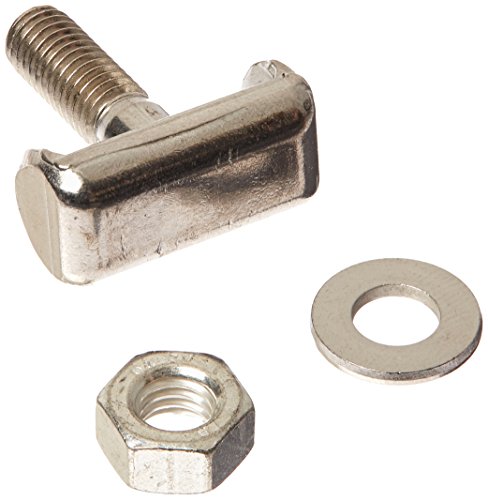
Genuine GM 19116852 Battery Cable Tensioner Bolt Kit
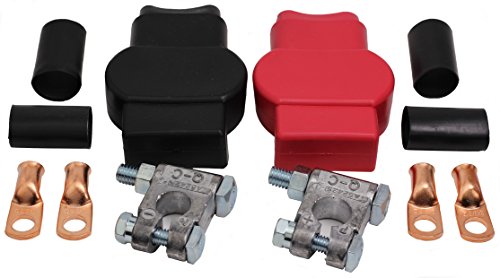
Fastronix Military Spec Battery Terminal Top Post Kit

Bates SAE Battery Connector 2 FT 18 AWG Harness

Fastronix Top Post Military Spec Battery Terminal Kit
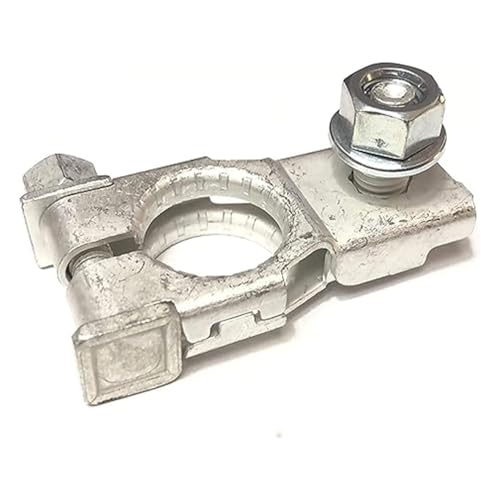
EDS 90982-05054 Positive Battery Terminal Connector
TUELETFU 2 AWG Battery Inverter Cables 1 FT Pair

Quick Cable Lead Military Style Battery Terminal Pair

Advance MCS Insulated Battery Power Junction Post Set
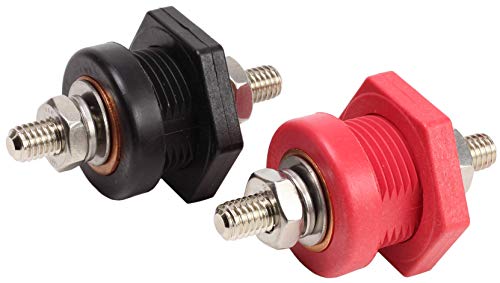
Fastronix Premium High Current 3/8″ Thru Panel Terminals
The Details Behind The Selections
If you have already committed to an Antigravity lithium battery and need a clean way to step down to standard SAE (the Society of Automotive Engineers post style found on most cars), these adapters are purpose-built for that handoff. The brass body resists corrosion in ways that stamped steel struggles to match, which matters when your battery lives in an engine bay that sees rain, salt, and heat cycles.
Installation is straightforward: the included Allen bolts thread into the existing Antigravity terminals, and the color-coded red and black pair keeps polarity mistakes from happening. Compared to the heavier-duty Fastronix kits reviewed later, these adapters trade raw current capacity for a tidy footprint that disappears under a stock battery cover.
What Earns Its Place
- Solid brass construction holds up to corrosion longer than zinc-plated steel in wet conditions
- Color coding (red positive, black negative) reduces wiring errors during install
- Low-profile design fits under factory battery trays and covers without trimming
- Direct fit for Antigravity lithium batteries removes the need to swap cables
Things To Consider
- Only useful if you already run Antigravity batteries, since they screw onto that specific terminal style
- Brass costs more than stamped steel, so the price runs higher than universal adapters
Made For
Antigravity lithium battery owners wiring a performance or track car that needs standard SAE cable ends.
Consider Something Else When
The Genuine GM 19116852 Battery Cable Tensioner Bolt Kit is a smarter grab if you drive a GM vehicle and just need a factory-style tensioner replacement.
This is not a flashy upgrade; it is a stock replacement for a very specific GM part number. The 19116852 tensioner bolt kit shows up when a battery cable terminal has stretched, corroded, or simply lost the clamping force it needs to keep a tight electrical path.
Because it is genuine OEM (Original Equipment Manufacturer, meaning it comes from the same factory that built the original part), you get the exact dimensions and thread pitch your vehicle was engineered around. Aftermarket look-alikes sometimes fit, sometimes do not, and “close enough” can leave you with a slightly loose connection that mimics a dying battery. For daily drivers that need to start every morning without drama, that factory match has real value.
Well-Handled Touches
- Genuine GM part means no guesswork on thread size or terminal clamp geometry
- Factory-grade metallurgy resists the heat-soak cycles of an engine bay
- Direct swap for the failed bolt keeps the repair time short
- Sensible choice for warranty-sensitive repairs at dealerships
Trade Offs
- Limited to vehicles that use GM part number 19116852, so verify fitment before ordering
- No performance upgrade here: this restores original function, nothing more
Best Suited To
GM owners troubleshooting a loose or stretched battery cable tensioner and wanting a true factory replacement.
Skip It When
The EDS 90982-05054 Positive Battery Terminal Connector makes more sense for Toyota, Lexus, or Scion owners with a worn positive post.
Fastronix built this kit for people who wire more than one accessory to a battery and need terminals that can take the abuse. The lead-alloy construction is heavier than typical zinc hardware, and the military-spec rating tells you the design has been tested against vibration and corrosion thresholds that go well beyond what a stock terminal sees.
Everything arrives in the box: one positive, one negative, adhesive-lined heatshrink for sealing cable ends, four 2-gauge copper lugs, and color-coded military terminal covers. That last bit matters more than it sounds, because covers prevent accidental shorts against the chassis if a tool slips while you are working nearby. The kit costs more than basic replacements, but you skip the extra trips to the parts store for the small stuff.
Noteworthy Benefits
- Lead alloy resists corrosion better than stamped zinc terminals in humid or salty environments
- Multiple lead capacity per terminal supports accessories without stacking adapters
- Included copper lugs and heatshrink remove the need to source cable ends separately
- Made in the USA, with terminal covers included for safer under-hood work
Worth Noting
- Battery cable itself is not included, so you may still need to source longer runs for custom setups
- Heavier terminal mass adds a small amount of weight compared to OE replacements
Right Fit For
Garage builders running multiple accessories, dual batteries, or any setup where the terminals take repeated abuse.
Look Elsewhere When
The Fastronix Top Post Military Spec Battery Terminal and Cover Kit is a simpler choice if you do not need the extra lugs and heatshrink in the box.
Most battery terminal products solve a connection problem. This one solves a maintenance problem. The Bates harness ends in an SAE quick-disconnect on one side and an O-ring terminal on the other, so you can park a motorcycle, lawn tractor, or seasonal vehicle and plug in a trickle charger without ever popping the seat or fairing off.
The wire is 18 AWG silicone-jacketed copper, which stays flexible in cold weather when cheaper PVC insulation turns stiff and cracks. Two feet of length is enough to route the SAE plug to an accessible panel edge on most bikes, and the tinned copper strands resist oxidation at the ring terminal where corrosion typically starts. It is a small part, but for vehicles that sit for weeks at a time, it is the kind of upgrade that quietly prevents a dead-battery morning.
Where It Helps
- Silicone insulation stays soft in cold weather, unlike cheaper PVC-jacketed wire
- SAE quick-disconnect lets you hook up a tender in seconds without tools
- Two-foot length reaches a body panel or bracket on most bikes and small engines
- Tinned copper strands slow corrosion at the ring terminal over time
Points To Keep In Mind
- 18 AWG wire is fine for trickle charging, not for high-amperage jump-starting or inverters
- Only covers one connection style; you may need different hardware for the main terminals
Perfect Match For
Riders and small-engine owners who want a permanent, weather-resistant charging port for seasonal storage.
Reach For A Different Pick When
The TUELETFU 2 AWG Battery Inverter Cables handle serious current for solar or inverter setups that this gauge cannot support.
Strip away the cable ends and heatshrink from the previous Fastronix kit, and you get this one. It is a simpler version aimed squarely at replacing worn top-post terminals on a daily driver, with the same lead construction and mil-spec backing as the larger kit.
The 3/8″ bolt accepts standard battery cable lugs, so existing wiring drops right on without modification. Each terminal can hold multiple cable leads, which is the real reason people upgrade from the factory stamped units that only fit a single ring terminal. Covers ship in the box too, and they fit snugly enough that owners report they stay put on rough roads.
Practical Pluses
- Multi-cable lead capacity supports accessories without aftermarket adapter stacks
- Lead terminals outlast zinc replacements in corrosive climates
- 3/8″ bolt fits the most common battery cable lug sizes on the market
- Includes military-style covers that snap on and protect against tool shorts
Honest Caveats
- Lead is softer than copper, so overtightening can strip the terminal clamp
- Does not include cable lugs or heatshrink; budget extra if you are building from scratch
Who Should Grab It
Drivers replacing corroded factory terminals who want mil-spec durability without buying extras they do not need.
Swap It Out When
The Quick Cable Lead Military Style Battery Terminal Pair suits you better if you want long bolts for stacking several power leads at once.
Quick Facts
The 90982-05054 part number is the giveaway: this is a vehicle-specific replacement built to match the original positive battery terminal on certain Toyota, Lexus, and Scion models, including the 4Runner, Avalon, and Camry. The 18mm opening is the OE dimension, so the factory cable slides on without forcing.
EDS designs these as direct-fit replacements rather than universal adapters, which is the right call when the original was molded with a specific cable routing in mind. For shoppers chasing an exact-match repair, this removes the trial-and-error of sorting through aftermarket terminals that look close but clamp wrong. In most cases the swap takes a single socket wrench and a few minutes of patience.
Real-World Strengths
- Direct OE-spec replacement matches the factory 18mm positive post precisely
- Compatible with popular Toyota, Lexus, and Scion models from the 4Runner to the Camry
- Saves time over universal terminals that require cable modification
- Reasonable upgrade path for older vehicles with cracked or heat-damaged connectors
Points To Note
- Only fits vehicles using part number 90982-05054, so confirm before ordering
- Positive terminal only, so a separate negative connector may be needed if both sides are worn
Built With In Mind
Owners of compatible Toyota, Lexus, or Scion models chasing a clean OE-style positive terminal swap.
A Better Fit Elsewhere
The Antigravity Batteries AG-TA-1 Brass SAE Terminal Adapters make more sense for racers running lithium setups instead of factory replacements.
When the job calls for serious current, a chunky 2 AWG cable with a pure copper lug on each end does the heavy lifting. TUELETFU’s one-foot pair arrives with lugs already crimped and sealed in polyolefin heatshrink, so the install time drops to minutes rather than the hour you would spend cutting, stripping, and crimping your own.
The tinned copper lugs resist corrosion at the terminal interface, which is where oxidation typically builds first on marine and RV installations. Both ends use 3/8″ holes, which match the stud size on most heavy-duty terminal blocks. The short length is intentional: you want the inverter or solar controller close to the battery, and excess cable adds resistance and clutter.
Why It Works Well
- Pure copper lugs carry current more efficiently than aluminum or copper-clad alternatives
- Heatshrink-sealed ends block moisture intrusion at the cable-to-lug transition
- 3/8″ mounting holes fit the most common stud sizes on aftermarket terminal blocks
- Color-coded red and black pair simplifies polarity identification in tight spaces
A Few Limitations
- One-foot length is right for close-mount installs; longer runs require additional cable
- Heavier and less flexible than smaller gauge wire, so routing through tight channels takes planning
Whose Shelf It Belongs On
Solar, marine, and RV owners wiring inverters or secondary battery banks that need short, heavy-gauge jumpers.
Not Your Match When
The Bates SAE Battery Connector 2 FT harness is the better choice for low-amperage trickle charging on motorcycles and small engines.
Feature Snapshot
Quick Cable’s pair covers both posts in one purchase, and the long bolts are the standout feature for anyone running multiple accessories off a single terminal. The 3/8″ stud gives you room to stack ring terminals from amplifiers, lighting relays, and winch controllers without cramming them sideways.
The terminals exceed military spec for both positive (A52425-1) and negative (A52425-2) posts, which sets a real baseline for vibration and salt-spray resistance. The 3/4″ profile keeps them low enough to clear most factory battery covers, and the zinc-plated steel fasteners do not corrode as quickly as plain steel when the engine bay sweats through temperature swings.
The Case For It
- Long bolts accommodate several stacked ring terminals without forced spacing
- Exceeds military spec for both positive and negative posts
- Low 3/4″ profile clears most factory battery trays and covers
- Zinc-plated hardware resists rust better than unfinished steel fasteners
Room For Improvement
- Lead is softer than copper and can deform if the nut is cranked down too hard
- No covers or lugs in the box, so extras may be needed for a complete swap
Who Will Love This
Installers and DIYers stacking multiple accessories on one post who value bolt length over a tidy stock look.
Where Another Pick Suits Better
The Advance MCS Insulated Battery Power Junction Post Block fits better for relocated battery setups that need a clean mounting surface.
Technical Highlights
Where the rest of this list fixes existing battery setups, the Advance MCS junction block creates a new one. The composite insulating base lets you mount a power post almost anywhere, which is exactly what you need when relocating a battery to a trunk, an interior compartment, or a custom rack.
The 3/8″ stainless steel stud resists corrosion far better than plated steel in damp trunk wells, and the red and black color coding keeps polarity obvious from across the engine bay. The 16-thread pitch is fine for distribution blocks and grounds, though it is worth confirming your ring terminals match before ordering. For custom builds and clean wiring, this is the kind of part that turns a tangled mess into something you actually want to show off.
What It Does Well
- Insulated composite base eliminates the need to find a separate ground surface
- Stainless steel stud holds up to moisture in trunk and interior battery locations
- Red and black color coding speeds up wiring and prevents reverse-polarity mistakes
- Mountable to most flat surfaces with simple screws or bolts
Trade-Offs To Consider
- Not a direct OE replacement, so this adds to install time rather than replacing a worn part
- Composite base is impact-resistant but can crack under sharp mechanical loads
Perfect Match For
Custom builders and audio installers relocating batteries or adding clean distribution points anywhere in the vehicle.
Another Choice May Suit
The Fastronix Premium High Current 3/8″ Thru Panel Terminals serve better if you need a copper-core, panel-mounted pass-through instead.
This is the heavy hitter of the lineup, built for systems that pull real current. The 3/8″ studs are rated to 440 amps continuous at 12 volts, with momentary spikes up to 550 amps, which is well past what any standard starter draws. The inner copper core keeps resistance low, and the through-panel design lets you mount the terminal on a bulkhead or firewall with cables running cleanly on each side.
The included nylon backing nut prevents shorts when the terminal is mounted in a metal panel, removing the “is this going to ground out” worry that comes with most panel-mount installs. Panels up to 7/16″ thick fit cleanly through the 1-17/64″ mounting hole. Pair them with Fastronix’s rubber terminal covers for a finished, professional look. These are not for the daily commuter, but for high-output audio, race cars, and industrial battery setups, they earn their keep.
Positive Takeaways
- 440A continuous rating handles high-output audio and competition electrical loads
- Inner copper core reduces voltage drop compared to all-brass or plated designs
- Nylon backing nut eliminates shorting risk on metal panel installations
- Mounts through panels up to 7/16″ thick for flexible routing options
Soft Spots
- Specialty price point compared to standard replacement terminals
- Requires panel drilling, so installation is more involved than a clamp-on terminal
Right Fit For
Builders running high-amperage systems, competition audio, or any installation where the battery feeds a panel-mounted distribution point.
Wrong Turns To Avoid
The TUELETFU 2 AWG Battery Inverter Cables pair is the better fit for solar or inverter runs that need short heavy-gauge jumpers, not panel-mount posts.
At A Glance
What To Weigh Before Choosing Battery Bolt Terminals
Match The Terminal Style To Your Battery Post
Most cars and trucks use top-post batteries, but some imports and a growing number of lithium conversions prefer side-post or SAE flat-terminal designs. A terminal that clamps correctly on a top post will not fit a side-post application, and forcing the wrong geometry is a fast path to a cracked case or a loose connection. Always confirm your battery’s post configuration before ordering, and remember that adapters like the Antigravity AG-TA-1 exist specifically to bridge lithium setups back to standard SAE hardware.
Gauge And Material Drive Long-Term Performance
Copper carries current more efficiently than aluminum or copper-clad steel, but it costs more. Lead-alloy terminals like those from Fastronix and Quick Cable are heavier and resist corrosion well, though they are softer and can deform under excessive torque. Brass sits in the middle, offering solid conductivity and good corrosion resistance for a moderate price. For high-amperage builds, copper-core panel mounts keep voltage drop low across the run.
Build Use-Case Into Your Selection
A weekend car that sits most of the year has different needs than a work truck with a winch, lights, and a CB radio. Multi-accessory vehicles benefit from long-bolt terminals that accept several stacked ring terminals, while daily commuters usually do fine with a simple OE-style replacement. Marine, solar, and RV applications demand sealed, tinned, or stainless hardware that shrugs off moisture rather than just surviving it.
Don’t Skip The Small Hardware
Covers, heatshrink, lugs, and adapters feel like extras until a wrench slips during install and shorts against the chassis. Kits that include these small parts, like the Fastronix Military Spec Top Post Kit, often save more in time than they add in cost, especially for first-time installers who do not yet have a stash of terminal hardware in the garage.
Key Considerations Across These Picks
Pitfalls Shoppers Hit
The most common slip-up is buying a universal terminal that “looks close” rather than matching the OE part number. That shortcut leaves you trimming plastic, shimming the clamp, or accepting a slightly loose connection that mimics a dying battery. Another trap is underrating the cable gauge; a heavy-duty terminal on a thin wire is a bottleneck that wastes the hardware’s potential. For vehicles with relocated batteries, forgetting an insulated distribution block creates a grounding risk that turns into a fire hazard under sustained load.
Where The Extra Money Goes
Premium terminals justify their cost through materials and construction rather than brand prestige. Copper cores, tinned lugs, and stainless hardware each add measurable life expectancy in corrosive environments. Military-spec ratings translate to real vibration and salt-spray testing, not just a label. For a daily driver, mid-tier terminals are usually enough. For track cars, marine use, or any vehicle that sees serious electrical demand, the upgrade pays for itself the first time a cheaper terminal would have failed.
Frequently Asked Questions
What Size Bolt Fits Standard Battery Terminals?
Most automotive battery terminals use a 3/8″ stud, which matches the most common cable lug hole size. Some compact and import batteries use M6 or M8 metric threads instead, so confirm before you buy.
How Do I Stop Battery Terminal Corrosion?
Dielectric grease on the post before clamping slows corrosion, and sealed terminal covers keep moisture away from the connection. Periodic cleaning with a wire brush and baking soda solution extends the life of any terminal.
Can I Mix Top-Post And Side-Post Terminals On The Same Battery?
Yes, with adapters, but most installers avoid mixing because the adapters add resistance and another failure point. Pick one style and stick with it for the cleanest, most reliable setup.
How Tight Should Battery Terminal Bolts Be?
Snug enough that the cable does not rotate under hand pressure, typically around 5 to 7 foot-pounds for standard automotive terminals. Overtightening soft lead terminals can strip the threads, so stop as soon as the cable stops moving.
Are Military-Spec Terminals Worth The Extra Cost?
For vehicles that see vibration, salt, or heavy accessory loads, yes. The construction quality and material spec translate to longer service life, especially in trucks, boats, and track cars.
Final Verdict
The right battery bolt terminal is the one that matches your post style, fits your current demands, and survives your environment without drama. Stock replacements like the GM tensioner kit and EDS Toyota connector restore factory function cleanly. Heavy-duty kits from Fastronix and Quick Cable handle multi-accessory abuse. The Bates harness solves the trickle-charge problem, while panel-mount blocks from Advance MCS and Fastronix unlock custom layouts. Pick the part that solves your specific scenario, and your battery connection should outlive several sets of tires.