Cordless yard tools have finally caught up to gas in the places most people care about: noise, fumes, and the drag of a pull cord. If you spend real hours raking and blowing leaves each fall, a backpack-style blower trades shoulder fatigue for a more even load, and a battery pack swaps gas smell for the hum of an electric motor. This list rounds up nine solid options spanning brushless workhorses, quiet 40V handhelds, and a trio of DeWalt-compatible backpack sprayers that double as a thoughtful add-on for lawn and garden pros who already own that battery platform.
A Snapshot Of The Selections

Makita XBU02PT1 36V Brushless Blower Kit

Worx 40V Quiet Blower WG582

EARTHCRAFT 2.6 Gal Backpack Sprayer

EARTHCRAFT 4.2 Gal Backpack Sprayer

EARTHCRAFT 5.3 Gal Backpack Sprayer

WORX 20V Leaf Blower WG547

WORX 20V Leaf Blower WG543

WORX 40V Leaf Blower WG581.1
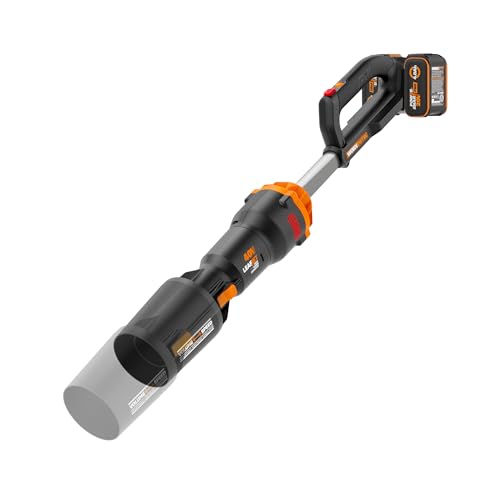
WORX 40V Leaf Blower WG585
What Each Pick Brings To The Table
The Makita XBU02PT1 kit lands at the top because it skips the usual cordless compromise: a brushless motor (one that uses electronic controls instead of carbon brushes, so it runs cooler and lasts longer) paired with two stacked 18V batteries that behave like a 36V system. Landscapers who already own a stack of LXT packs can swap batteries between tools, and the four included 5.0Ah cells mean most crews finish a day without hunting for a charger.
For anyone working a half-acre or larger, the higher voltage matters more than raw CFM (cubic feet per minute, a measure of how much air the blower pushes) because it keeps the motor from bogging down in wet leaf piles. The kit ships with two batteries in each bay so you get runtime, not just power, and the absence of a pull cord is a small joy on cold mornings.
The Practical Payoff
- Two 18V batteries combine for true 36V output, cutting through damp leaves without bogging
- Brushless motor extends runtime and reduces wear compared to brushed designs
- Four 5.0Ah batteries in the kit mean fewer mid-job swaps
- Cross-compatible with the wider Makita LXT 18V system
- Zero emissions and lower noise than comparable gas units
Things To Consider
- Heavier than a single-pack handheld once both batteries are loaded
- Premium positioning makes the kit a steeper starting point for one-yard owners
Key Specs
Right Fit For
Contractors and serious homeowners with LXT batteries on hand who want gas-like performance without the noise and fumes.
A Better Fit Elsewhere
Homeowners with a smaller lot and no need for four batteries should consider the WORX 40V Quiet Blower WG582 for simpler storage and lighter handling.
The WG582 is the blower for the neighbor who always waves from across the fence. Worx pairs a 40V brushless platform with a “quiet boost” mode, so the unit runs at a fraction of the racket of a small gas engine. In practical terms, you can clear the driveway at 7 a.m. on a Saturday without a knock on the door from the HOA.
Air output is rated high enough to move wet leaves and small stones, and two 4.0Ah PowerShare Pro batteries deliver roughly an hour of runtime in lighter conditions. PowerShare Pro means a single battery platform feeds other Worx Pro tools, which is handy if you already own a Worx mower or trimmer.
Positive Points
- High-efficiency brushless motor produces gas-comparable air volume
- Quiet operation suited to noise-sensitive neighborhoods
- Two 4.0Ah batteries extend runtime to roughly an hour in mixed use
- PowerShare Pro platform shares batteries with other 40V Worx tools
Honest Caveats
- Batteries are large and add weight to handheld use over long sessions
- Higher output modes drain cells faster, so plan charging between rounds
Who It Suits Best
Homeowners in close-quarter neighborhoods who want strong airflow without waking the block.
Consider Something Else When
If you already own Makita LXT batteries and want a kit that shares that platform, the Makita XBU02PT1 setup is a stronger match.
EARTHCRAFT’s 2.6-gallon unit is the smallest sprayer in the lineup, and that’s exactly the point. For spot weed treatments, fertilizer boosts on a small lawn, or targeted pest control on raised beds, a compact tank is easier to load, easier to carry, and quicker to drain between mixes. The sprayer runs on any DeWalt 20V battery you already own, so the cost of entry drops sharply for anyone with a DeWalt tool wall.
A built-in agitation system keeps powders and concentrated solutions from settling, which matters when you mix custom blends. Low-voltage protection prevents the unit from draining your battery past a safe threshold, so you won’t discover a dead pack on the next drill job.
Positive Takeaways
- Smallest tank in the lineup means less fatigue on short jobs
- Compatible with any DeWalt 20V pack you already own
- Integrated agitation prevents settling in mixed solutions
- Low-voltage cutoff protects expensive DeWalt batteries
Small Caveats
- Battery is not included, so first-time DeWalt owners face a higher starting cost
- Limited capacity means more frequent refills on larger properties
At A Glance
Made For
DeWalt owners with small lawns, raised beds, or spot-treatment routines who want a backpack sprayer without buying a brand-new battery platform.
Skip It When
You regularly spray half-acre lots, in which case the EARTHCRAFT 5.3 Gal Backpack Sprayer will save you from constant refills.
Step up to 4.2 gallons and you land in the sweet spot for most suburban lots. The EARTHCRAFT mid-capacity sprayer carries enough solution to cover a moderate lawn or several garden beds in one fill, yet it doesn’t turn into a back-breaking water jug when full. Like its smaller sibling, it draws on any DeWalt 20V pack you own.
The one-touch mixing system is the standout feature. Instead of shaking the tank or stirring with a stick, you press a control and the internal pump keeps particulates in suspension. That saves time and reduces the wrist fatigue that adds up over a full Saturday of spraying.
Everyday Wins
- Mid-size tank balances coverage and carry weight
- One-touch mixing keeps solutions in suspension without manual shaking
- Same DeWalt 20V battery compatibility as the smaller EARTHCRAFT
- Low-voltage protection preserves battery health across seasons
Factors To Consider
- Still requires a separate DeWalt battery purchase
- Nozzle options are more limited than the 5.3-gallon sibling
Best Suited To
Suburban homeowners who want a single sprayer that handles both lawn feeding and garden bed treatments without overdoing the tank size.
Where Another Pick Suits Better
If you need maximum coverage between refills, step up to the EARTHCRAFT 5.3 Gal Backpack Sprayer, which ships with six nozzles for finer tuning.
At 5.3 gallons, the largest EARTHCRAFT sprayer is built for serious coverage. Half-acre lawns, food plots, and small-acreage weed control are all realistic without stopping to refill every ten minutes. The padded straps and chest clip distribute the weight across your hips and shoulders, which matters once a full tank pushes past 40 pounds.
Six included spray nozzles are the practical flex here. A flat-fan nozzle covers broadleaf weed treatments, a cone nozzle handles insecticide, and a streaming nozzle reaches the back of a tall hedge. With DeWalt 20V compatibility and low-voltage protection, it slots into the same battery ecosystem as the smaller EARTHCRAFT units.
Where It Excels
- Largest tank capacity covers more ground between fills
- Six nozzles cover fan, cone, and stream spray patterns
- Padded harness design handles a full tank comfortably
- Built-in mixing system keeps concentrates evenly suspended
Practical Considerations
- Full tank weight is significant for smaller-framed users
- Battery sold separately, adding to the total outlay
- More involved to rinse thoroughly between chemical types
Perfect Match For
Property owners managing larger lawns, food plots, or acreage-level weed control where fewer refills and broader nozzle coverage save real time.
Swap It Out When
You mostly handle small garden beds and don’t want to haul 40 pounds around the yard. The EARTHCRAFT 2.6 Gal Backpack Sprayer will feel much lighter on short jobs.
The WG547 is the everyday grab-and-go blower. Two-speed control and a turbine fan design pull in more air than a typical 20V unit, which translates to leaf piles that actually move instead of skittering sideways. For a small yard with a driveway and a few garden beds, it’s plenty.
It’s the lightest blower in this roundup, so older users and anyone who dislikes arm fatigue will appreciate the WG547. The 20V battery platform is also the most common in the WORX lineup, which means you can share cells with a hedge trimmer or drill if you’re already in that ecosystem.
Practical Advantages
- Turbine fan design produces stronger airflow than typical 20V handhelds
- Two-speed switch keeps low-speed tasks quiet and battery-friendly
- Lightweight build suits smaller-framed users and older operators
- Cross-compatible with the wider 20V WORX PowerShare platform
Points To Note
- Lower voltage limits performance on heavy wet leaves
- Single battery bay means runtime is shorter than 40V picks
Feature Card
Who Should Grab It
Suburban homeowners with small yards, driveways, and porches who want a lightweight, easy-to-store blower for quick cleanups.
Not Your Match When
You face deep leaf coverage on a half-acre lot. The WORX 40V Leaf Blower WG585 offers noticeably stronger airflow for tougher conditions.
The WG543 adds a clever variable air-control nozzle to the basic 20V platform. Sliding the nozzle out reaches higher air volume for covering wide swaths of lawn, while retracting it pushes air faster for stubborn debris. It’s a small detail that turns a single-speed blower into a more responsive tool.
Like its WG547 sibling, it runs on the WORX 20V PowerShare battery system, so if you already own other WORX 20V tools, you won’t need new batteries. For most small-to-medium yards, the WG543 hits a comfortable middle ground between the lightweight WG547 and the higher-output 40V models.
Where It Delivers
- Variable nozzle switches between volume and speed modes on the fly
- Sliding nozzle reach makes it adaptable across debris types
- 20V PowerShare battery works across the WORX 20V lineup
- Compact size stores easily in a garage or shed corner
Worth Noting
- Higher air-volume mode drains the battery noticeably faster
- Plastic nozzle may scuff with heavy yard use over multiple seasons
Built With In Mind
Homeowners who want a 20V blower with adjustable output rather than a one-mode-fits-all experience.
Another Choice May Suit
For deeper wet-leaf conditions on a larger property, the WORX 40V Leaf Blower WG585 brings noticeably more airflow.
The WG581.1 brings WORX’s “quiet-tech” approach to larger yards. Rated at roughly 57 dB, it runs quieter than a dishwasher, which means you can use it early in the morning without complaints. The brushless motor 2.0 is the brand’s efficiency upgrade, promising longer runtime per charge than earlier brushless generations.
For a quarter-acre lot or bigger, the higher air volume clears leaves faster than the 20V models and avoids the constant back-and-forth of sweeping one section at a time. The trade-off is added weight at the motor housing, but the balance is reasonable for handheld use over typical cleanup sessions.
Notable Upsides
- Quiet-tech operation around 57 dB for early-morning use
- Brushless motor 2.0 extends runtime compared to earlier generations
- Strong airflow suited to larger lawns and tougher debris
- 40V PowerShare platform shares batteries with other 40V WORX tools
Trade-Offs
- Higher output requires larger 40V batteries, which add weight at the rear
- Long charging cycles for the high-capacity cells
Quick Facts
Whose Shelf It Belongs On
Homeowners with larger yards who want cordless quiet without giving up the airflow needed for bigger leaf drops.
Look Elsewhere When
You want maximum airflow over maximum quiet, in which case the WORX 40V Leaf Blower WG585 pushes more air at the cost of more noise.
The WG585 is the airflow leader in the WORX 40V Nitro line. A variable nozzle toggles between high-volume mode for big sweeps and high-speed mode for blasting stuck debris from corners and edging. That kind of dual-mode flexibility is rare at this price tier and useful when one yard throws different debris types at you each week.
You trade some quiet for the extra power: the WG585 is louder than the quiet-tech WG581.1 sibling, though still well below a gas engine. For a homeowner with mature trees, gutters to clear, and patio stones to keep tidy, the added muscle pays off.
Benefits That Matter
- Top-tier airflow in the WORX 40V lineup
- Variable nozzle shifts between volume and speed modes
- High-speed mode reaches far enough to clear light debris from gutters at ground level
- 40V PowerShare battery feeds other WORX 40V yard tools
A Few Limitations
- Louder than the quiet-tech WG581.1 sibling
- Larger battery adds noticeable weight at the back of the unit
The Right Fit
Homeowners with heavy leaf cover, mature trees, or mixed debris who want the strongest airflow WORX offers in the 40V line.
Reach For A Different Pick When
You have a smaller yard and noise is a major concern. The WORX 40V Quiet Blower WG581.1 keeps the same 40V power with a quieter operating profile.
Factors To Weigh Before Choosing Battery Backpack Leaf Blowers
Power System And Voltage
Cordless blowers run anywhere from 18V to 80V, and the gap shows up in two places: how much air the unit can push, and how long it can sustain that airflow. Lower voltages are fine for porches and light leaf cover, while larger yards typically benefit from at least 40V.
Air Volume Versus Air Speed
Two numbers tell most of the story. Air volume, measured in CFM, is how much air moves per minute. Air speed, measured in MPH, is how fast it travels. Leaf cleanup is mostly about volume. Wet leaves and stubborn debris need speed. The best picks here balance both.
Battery Ecosystem Compatibility
Most cordless tools use proprietary battery systems. Sticking to one platform, like Makita LXT or WORX PowerShare, means chargers and spare batteries carry over. If you already own a battery platform, matching to it saves real money.
Noise And Neighbor Relations
Battery blowers run quieter than gas, but the gap between a 57 dB quiet-tech unit and a louder 70+ dB blower is meaningful for early-morning use. Consider your surroundings before choosing peak airflow.
Where Shoppers Slip Up And When To Spend Up
Pitfalls Shoppers Hit
The most common mistake is choosing by voltage alone. A 40V blower with a small motor will lose to a well-engineered 20V unit on real jobs. Equally common is overlooking battery and charger costs, which can quietly double the price of a bare tool. Finally, ignoring weight balance turns a “cordless convenience” into an arm-day workout.
What The Upgrade Buys You
Stepping up to a brushless motor adds runtime and longer service life, especially under heavy loads. Higher-tier models also tend to include variable nozzles, quieter housings, and dual-mode operation. For larger yards or weekly leaf duty, the upgrade pays back in less charging, less fatigue, and fewer mid-job stalls.
Frequently Asked Questions
How long does a battery backpack leaf blower actually run?
Most 40V units deliver 30 to 60 minutes per charge depending on speed mode, with brushless motors stretching the upper end of that range.
Are battery backpack blowers powerful enough for wet leaves?
Higher-voltage brushless models handle damp leaves well, though deeply matted wet piles still benefit from a stiff rake pass first.
Can I share batteries with my other yard tools?
Many brands use a shared platform, like WORX PowerShare or Makita LXT, but platforms rarely cross between brands. Confirm the platform before assuming compatibility.
How loud are battery backpack leaf blowers compared to gas?
Most run between 57 and 70 dB, well below the typical 90+ dB of a gas engine, which makes them far more neighborhood-friendly.
Is a backpack sprayer the same as a backpack blower?
No, a backpack sprayer handles liquids like fertilizer or weed control, while a backpack blower moves air. Both share a harness format, but the use cases don’t overlap.
Bottom Line
The right pick depends mostly on yard size, battery platform, and how much airflow you actually need. For most homeowners, a 40V brushless model from WORX or Makita balances power, runtime, and noise without much fuss. Smaller yards and tighter budgets are well served by the 20V options, while anyone already invested in the DeWalt 20V ecosystem will find the EARTHCRAFT sprayers a smart add-on.