A chirping smoke alarm at 2 a.m. usually means one thing: the battery gave up. You probably test or replace yours once a year, often when the unit starts beeping to remind you. That ritual is your home’s quiet backbone, and a fresh 9V keeps it working without fuss. This guide walks through eight dependable options that match different household setups, from a single bedroom to a multi-story house with several detectors, plus one specialty lithium pick for non-standard alarms.
An Overview Of The Picks
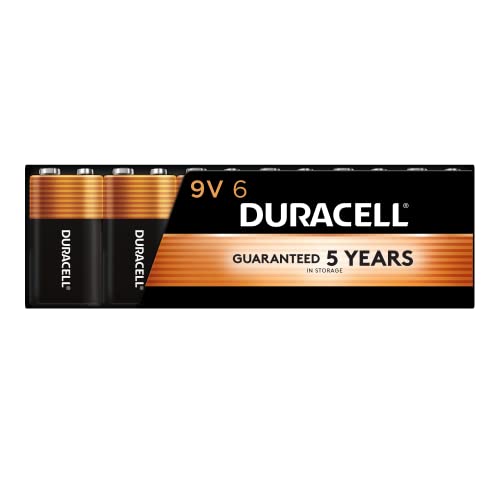
DURACELL Coppertop 9V Battery, 6 Count

Energizer MAX 9V Batteries (4 Pack)
Duracell Coppertop 9V Battery, 4 Count

Energizer MAX 9V Batteries (2 Pack)

Duracell CR123A 3V Lithium Battery, 2 Count

DURNERGY 9V Batteries 8 Pack

YKM 24 Pack 9V Batteries

Inside Each Recommended Option
Most homes have between four and six smoke detectors, and the DURACELL Coppertop 9V six-pack lines up with that math. One box covers a full swap-out on the same day, so you finish the chore in a single pass instead of remembering to buy more. The Coppertop alkaline (a chemistry that trades cheap, stable power for slightly lower output than lithium) format is the standard shape most detectors expect, including combination smoke and carbon monoxide units.
For someone keeping a simple annual checklist, this is the low-friction choice. You change every battery on the same morning, label the box with the date, and forget about it for twelve months.
The Case For It
- Six-cell count matches typical whole-home detector counts
- Trusted alkaline chemistry with steady output for low-drain alarm sensors
- Storage-friendly design stays fresh in a drawer for the next swap cycle
- Single-pack purchase simplifies the annual maintenance run
Things To Consider
- Six may be more than you need if your home only has two or three alarms
- Alkaline cells can occasionally leak in very old detectors past their service window
Feature Snapshot
Who It Suits Best
Owners of mid-size single-family homes with five or six hardwired or standalone detectors who like replacing everything in one session.
Where Another Pick Suits Better
Studio dwellers running a single alarm may find the Energizer MAX 2 Pack a closer fit since it avoids stocking extras.
The Energizer MAX 9V four-pack sits in the comfortable middle. Four cells handle the three to four detectors you’ll find in a typical apartment, small bungalow, or downstairs-only setup, leaving one spare for the next chirp. The MAX line uses Energizer’s standard alkaline recipe, the chemistry that powers most alarm brands without compatibility quirks.
For most people, this is the sensible middle child: enough stock, no excess clutter in the junk drawer. Compared to the Duracell 6-pack above, it suits households with fewer alarms and tighter storage.
Real-World Strengths
- Pack count fits two- to three-bedroom layouts without leftovers sitting for years
- Alkaline format drops into every standard 9V smoke alarm without adapters
- Storage behavior supports stashing a spare in a hallway closet for future swaps
Points To Note
- Four cells may run short in a multi-story home with five or more detectors
- Alkaline output drops gradually in cold garages or unheated attics
Made For
Condo owners and small-home dwellers with a modest detector count who prefer a tidy four-pack over a six.
Consider Something Else When
Larger homes with six or more alarms are better served by the DURACELL Coppertop 6 Count, which finishes the job in one box.

If brand loyalty shapes your choice, the Duracell Coppertop four-count mirrors the same chemistry as the 6-pack above, just trimmed down. Four cells match a typical two-bedroom layout with one detector per bedroom and one in the hallway. The cells share the trusted Coppertop construction aimed at smoke detectors, carbon monoxide units, and combination alarms.
This is the choice for someone who has used Coppertops for years and wants fewer spares crowding the shelf. It’s also a reasonable backup pack to keep sealed in a closet for the day a smoke alarm finally starts chirping.
Bright Spots
- Familiar Coppertop build in a smaller, more manageable pack
- Standard 9V alkaline fit across mainstream alarm brands
- Spare-cell friendly if you like rotating fresh replacements
Worth Bearing In Mind
- Storage longevity is shorter than lithium-based alternatives
- Four cells may leave larger homes short by one or two
Best Suited To
Two- to three-bedroom households with two to four detectors who prefer Duracell’s Coppertop chemistry in a smaller pack.
Skip It When
Anyone managing five or more detectors will finish the job faster with the DURACELL Coppertop 6 Count.
The Energizer MAX 2-pack is the lean option for someone with a single alarm to maintain or a tight drawer that can’t host a six-pack. Two cells cover a primary detector and leave one backup for a hallway unit or a rarely-used garage alarm. The MAX line uses Energizer’s POWERSEAL Technology, a construction aimed at holding charge through long storage.
For someone whose detector count fits on one hand, this keeps the purchase tight. Compared to the bigger packs above, it skips the extras you’d just store and forget.
The Good Stuff
- Compact 2-cell count suits minimal detector setups
- Alkaline chemistry fits every common 9V alarm brand
- Storage-focused build keeps the spare usable when the primary chirps
Trade-Offs
- No headroom for homes with more than two alarms
- Packaging varies, so shelf presentation may differ from prior purchases
Right Fit For
Studio residents or single-detector homes that want exactly two cells without the bulk of a larger pack.
Look Elsewhere When
Households with four or more detectors are better served by the Energizer MAX 4 Pack, which finishes the swap without a second purchase.
This Duracell entry breaks from the 9V pattern. The CR123A is a 3V lithium cell, a smaller cylindrical format used in some modern photoelectric alarms, smart smoke sensors, and combination detectors from brands like Nest. It’s not interchangeable with a 9V, so you only need it if your detector specifically calls for CR123A or DL123A cells.
For owners of newer smart-home-compatible alarms, this is the correct replacement. The lithium chemistry delivers higher energy density than alkaline, the technical way of saying more power per gram, which suits high-drain smart detectors with wireless radios. The 2-count fits a paired replacement in devices that use two cells.
Useful Touches
- 3V lithium chemistry suits smart alarms and wireless security sensors
- High energy density handles continuous wireless reporting in connected detectors
- Pair format covers devices that run on two cells simultaneously
Honest Caveats
- Wrong fit for any detector that uses the standard 9V rectangular block
- Price-per-cell runs higher than the alkaline packs above
Feature Rundown
Who Should Grab It
Owners of smart smoke detectors, wireless security cameras, or alarm sensors that specifically call for CR123A cells.
Another Choice May Suit
Anyone running standard 9V alarms should ignore this entirely and stick with the DURACELL Coppertop 6 Count or the Energizer MAX 4 Pack.
The DURNERGY 9V 8-pack addresses the other end of the spectrum. Eight cells suit larger homes, rental properties, or households that want a multi-year stockpile. The pack uses alkaline 6LR61 chemistry, the industry label for standard rectangular 9V cells, in a corrosion-resistant steel shell designed to limit leakage over long storage.
For someone rotating batteries across multiple properties or running a basement-plus-attic detector layout, the bulk count keeps the spare drawer full. Compared to the brand-name packs above, it trades brand familiarity for volume.
Key Advantages
- Eight cells cover multi-year swaps across several detectors and properties
- Standard alkaline 9V format fits any common alarm brand
- Sealed steel-shell construction supports extended storage in utility closets
A Few Limitations
- Less brand recognition than Duracell or Energizer for shoppers who prioritize reputation
- Bulk pack size demands more drawer space than the four- and six-packs above
Whose Shelf It Belongs On
Landlords, multi-property owners, and homeowners with extensive detector arrays who want a high-volume 9V supply.
Reach For A Different Pick When
Small households with only two or three alarms may find the DURACELL Coppertop 4 Count easier to rotate through before the shelf life expires.
The YKM 24-pack is the highest-volume pick in this roundup. Twenty-four cells suit property managers, multi-unit landlords, and homeowners who treat detectors like clock batteries and want one shopping trip to cover years of maintenance. The cells use standard alkaline 9V chemistry, so they drop into any common alarm without adapters.
Beyond alarms, the same 9V form factor also fits guitar pedals, walkie-talkies, and multimeters, so the extras can serve a hobby bench too. Compared to the DURNERGY 8-pack above, it triples the count for shoppers who really want a stockpile.
What Makes Sense
- 24-cell count covers multi-year rotation across many detectors
- Standard 9V fit across alarms, guitar pedals, and test gear
- Bulk format reduces repeat shopping for high-volume users
Some Limits To Know
- Storage life is finite, so cells left too long may underperform on first use
- Bulk volume is overkill for a single-detector apartment
Who Will Love This
Property managers, hobbyists, and homeowners with many detectors or mixed 9V devices who want one purchase to cover years of swaps.
Swap It Out When
Anyone with just one or two alarms will find the YKM 2 Pack a more sensible volume that won’t sit in a drawer past its prime.
The YKM 2-pack closes the list as the lightest option. Two cells handle a single detector with a backup, useful for studio apartments, dorms, or anyone replacing a chirping alarm right now without committing to a larger pack. The cells use standard alkaline 9V chemistry, so compatibility is the same as any name-brand alkaline pick.
This is the minimal-commitment choice for a sudden chirp at midnight. Compared to the Energizer MAX 2-pack covered earlier, it offers the same volume from a different brand at typically tighter pricing.
A Strong Showing
- Compact two-cell format fits single-alarm homes and quick replacements
- Standard alkaline 9V fits every common detector brand
- Lean pack size slips into a kitchen drawer or hallway shelf
Potential Drawbacks
- Less brand familiarity than Duracell or Energizer for cautious shoppers
- Two cells leave no room for households with three or more detectors
Perfect Match For
Studio dwellers or anyone facing a single chirping alarm who wants two cells without the bulk of a multi-pack.
A Better Fit Elsewhere
Two- to three-bedroom homes with three or four detectors will find the Energizer MAX 4 Pack a more complete annual swap.
What To Weigh Before Choosing Batteries For Smoke Alarm
Match the cell to your detector type. Most residential smoke and combination alarms use a rectangular 9V cell, but newer photoelectric or smart alarms sometimes rely on CR123A 3V lithium cells. Check the battery compartment or the existing battery before buying. The Duracell CR123A pick in this list only suits detectors calling for that format; the rest handle standard 9V alarms.
Count your detectors before choosing pack size. Walk through your home and tally every smoke, CO, and combination alarm. Two to four detectors point to a four-pack, while larger homes with five or six benefit from a six-pack. Bulk picks like the 8- or 24-count work best when you also run 9V gear in guitar pedals, multimeters, or walkie-talkies, or when you manage multiple properties.
Think about storage, not just freshness. Even unused alkaline cells slowly lose capacity, so a 24-pack that sits in a hot garage for five years may underperform on first use. If you stock in bulk, store the cells indoors in a cool drawer and rotate older cells into less critical gear like remote controls.
Alkaline versus lithium trade-offs. Alkaline 9V cells are inexpensive and widely compatible, but they fade gradually and can leak in very old detectors past their service window. Lithium cells cost more but hold charge longer in storage and handle cold garages better. For most household alarms, alkaline remains the practical default.
Key Considerations Across These Picks
Pitfalls Shoppers Hit
A common mistake is grabbing the cheapest available 9V without checking that it’s a recognized alkaline or lithium cell. Unbranded cells with unclear labeling may underperform in a low-drain alarm, leaving you with a detector that chirps weeks earlier than expected. Another slip is buying CR123A cells for a detector that uses a rectangular 9V, or vice versa. The two formats are not interchangeable, and the wrong cell simply won’t fit. Always confirm the exact battery type printed on the unit before you buy.
Where The Extra Money Goes
Paying more generally buys brand-name manufacturing consistency, tighter quality control, and stronger leakage resistance. The Duracell Coppertop and Energizer MAX lines cost a bit more than no-name alkaline, but you get predictable voltage across the cell’s life and reduced risk of corrosion damage inside the alarm. For most households, the modest premium buys peace of mind over a year of standby service.
Frequently Asked Questions
How often should smoke alarm batteries be replaced?
Most manufacturers recommend an annual swap for alkaline 9V cells, while lithium cells can sometimes stretch to two years depending on the detector model. Many alarms also chirp when voltage drops, giving you an audible reminder.
Can I use rechargeable 9V batteries in smoke alarms?
Rechargeable 9V cells are not typically recommended for smoke alarms because their voltage drops more sharply than alkaline, and they can deplete unexpectedly between charges. Standard alkaline or lithium cells remain the safer choice for life-safety devices.
What is the difference between 9V alkaline and CR123A lithium?
Alkaline 9V cells are rectangular blocks suited to most residential smoke and CO detectors. CR123A cells are smaller, cylindrical 3V lithium batteries used in some smart alarms, security cameras, and sensors. They are not interchangeable.
Do smoke alarm batteries expire if unused?
Yes. Even unused alkaline cells slowly lose capacity over several years, which is why batteries carry printed expiration dates. Lithium cells hold charge longer in storage but still degrade gradually. Rotate stored cells rather than letting them sit for a decade.
Will a chirping alarm stop after I install a new battery?
In most cases, yes, the chirping stops within a minute of inserting a fresh cell. If it continues, the detector itself may be at the end of its service life, typically ten years for most residential units, and needs replacement.
Wrap Up
A working smoke alarm depends on a battery you barely think about until the chirp reminds you. Match the cell type to your detector, count your alarms to size the pack right, and store extras somewhere cool and dry. For a typical home, a four- or six-pack from a trusted brand covers the year with a spare on hand. Larger setups benefit from bulk counts, while specialty CR123A owners should grab the correct lithium format for their smart alarms.