A morning on the water shouldn’t begin with a weak click from the starter. Bass anglers running modern trolling motors, live wells, and fish finders need a battery that wakes up on the first turn and keeps delivering all day. Lithium options have reshaped what’s possible for cranking and house loads, while traditional AGM setups still earn their spot in many rigs. The picks below cover 12V, 24V, and 36V setups across cranking amps, deep-cycle endurance, and weight savings.
How The Shortlist Stacks Up

BtrPower 24V 50Ah LiFePO4 Trolling Motor Battery

BtrPower 12V 30Ah LiFePO4 Deep Cycle Battery

BtrPower 24V 140Ah Deep Cycle LiFePO4 Battery

Litime 12V 165Ah Dual Purpose Marine Cranking LiFePO4 Battery

BtrPower 24V 100Ah Deep Cycle Lithium Battery

BtrPower 24V 140Ah LiFePO4 Lithium Battery with 100A BMS
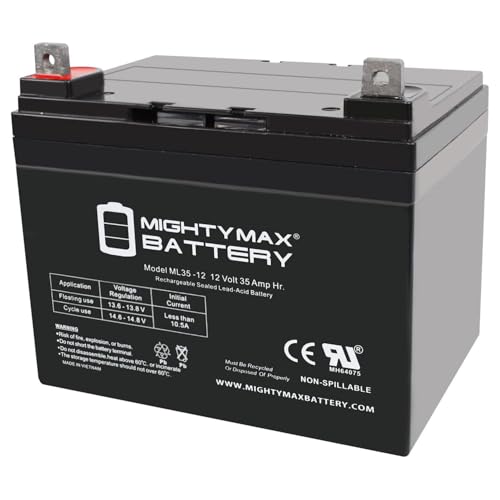
Mighty Max ML35-12 12V 35Ah AGM Deep Cycle Battery

Timeusb 12V 50Ah LiFePO4 Lithium Battery

BtrPower 36V 50Ah LiFePO4 Trolling Motor Battery
A Closer Look At Each Pick
Designed for anglers running mid-thrust 24V trolling motors in the 70 to 100 lb range, this BtrPower pack drops into setups that previously held a pair of lead-acid or AGM (Absorbent Glass Mat) batteries. Compared with the heavy dual-battery stack it replaces, the LiFePO4 (lithium iron phosphate) chemistry cuts significant weight from the transom while delivering steady voltage deeper into the discharge curve.
Most tournament anglers chasing a full day of drift fishing will appreciate that the unit ships as a single 24V block, simplifying cabling. Owners commonly report clean, responsive performance from electronics suites and live wells, though setup in existing trays may call for terminal adapters on older rigs.
Useful Touches
- Single-block 24V design simplifies the swap from dual 12V lead-acid banks.
- LiFePO4 chemistry holds higher voltage through the discharge curve, keeping trolling speeds consistent late in the day.
- Substantial weight savings at the transom can noticeably improve hole shot and fuel use on smaller bass boats.
- Marine-rated build suits long trolling sessions on lakes and reservoirs.
Worth Noting
- Older charge systems set for lead-acid profiles may need a lithium-compatible charger to reach full capacity.
- Owners should confirm physical dimensions against existing battery trays before committing, since footprint differs from Group 24 lead-acid units.
Feature Snapshot
Right Fit For
Anglers running 70 to 100 lb 24V trolling motors who want one block instead of two.
A Better Fit Elsewhere
Cranking-heavy rigs with a separate outboard starter are a stronger match for the Litime 12V 165Ah Dual Purpose Marine Cranking LiFePO4 Battery.
The 12V 30Ah format is the Swiss army knife of small-boat power, and this BtrPower unit leans into that role for kayak anglers and ultralight rigs. Slide it under a seat, strap it in a hatch, or pair two in series for a 24V system that mirrors what Item 1 does at higher capacity. Where the bigger BtrPower pack is about replacing two batteries, this one is about fitting into spaces where batteries never went before.
Kayak fishermen chasing bass on creeks and ponds will find this the easiest way to add a fish finder, lights, and a small trolling motor without unbalancing the hull. Owners commonly report that the internal BMS (Battery Management System) handles short-trip cycles cleanly, though storage in a hot rod locker in midsummer can shorten service life if not ventilated.
Noteworthy Benefits
- Compact 30Ah form factor fits kayaks, tenders, and small jon boats.
- Two units in series create a budget 24V setup for moderate trolling motors.
- LiFePO4 chemistry tolerates deeper discharges than typical AGM packs.
Room For Improvement
- Limited capacity means it won’t run a full electronics suite plus a trolling motor for a long day.
- Charging from outboard alternators on small motors may require a DC-DC step-up module for full top-off.
Made For
Kayak anglers and ultralight boat owners who need a small, light 12V source.
Consider Something Else When
For splash-prone decks and low-temp mornings, the Timeusb 12V 50Ah LiFePO4 Lithium Battery offers a sealed IP65 (ingress-protected against low-pressure water jets) build with more capacity.
At 3584Wh of usable energy, this 24V 140Ah BtrPower pack is the heavyweight on the list. Anglers running big-thrust motors with side-imaging electronics, live-well pumps, and high-output chargers appreciate that one bank handles the day’s house loads without dipping into reserve. It’s the pick for long tournament days or full-weekend trips where shore power isn’t an option.
The trade-off is size and weight, which is real but manageable. Compared with the lead-acid bank it replaces, the weight savings still appear, and the voltage stays flatter across a discharge. You may find it oversized for casual trips, so this one’s geared toward the serious angler.
What Earns Its Place
- Large 3584Wh reserve keeps electronics and trolling motors running through multi-day trips.
- LiFePO4 cells deliver 3000+ deep cycles, stretching service life well past AGM alternatives.
- Single 24V block simplifies high-current cabling and terminal layouts.
- Integrated 100A BMS protects against overcharge and over-discharge during shore charging.
Honest Caveats
- Physical footprint may not fit in standard Group 24 trays without modification.
- Higher capacity means longer recharge times on smaller onboard chargers.
Spec Overview
Best Suited To
Tourney anglers and multi-day boaters running electronics-heavy 24V trolling setups.
Reach For A Different Pick When
Compact bass boats with limited compartment space will be happier with the BtrPower 24V 140Ah LiFePO4 Lithium Battery with 100A BMS in its smaller housing.
This is the only entry on the list explicitly designed as a dual-purpose cranking and deep-cycle battery, which makes it the most relevant choice for anglers who want one pack to start an outboard and run their house loads. Compatibility spans Mercury, Honda, Suzuki, Evinrude, and Tohatsu outboards, with the Optimax line being the noted exception. The 1200CCA (cold cranking amps) rating reflects serious starting muscle for cold mornings.
The dual-purpose design trims weight and clutter versus running separate cranking and house batteries. For many small to mid-size bass rigs, that consolidation alone justifies the swap. Owners commonly report that ABYC-compliant (American Boat & Yacht Council safety standard) installation guidance helps when wiring into existing setups.
The Upside
- 1200CCA delivers confident outboard starting even after a long day on electronics.
- Dual-purpose design replaces two batteries with one, cutting weight at the transom.
- Wide outboard compatibility covers mainstream brands found on most bass boats.
- LiFePO4 chemistry supports many more cycles than a typical AGM starting battery.
Trade-Offs
- Not compatible with Mercury Optimax outboards, so verify before buying.
- Higher output rating means the price sits above non-cranking LiFePO4 packs of similar capacity.
Perfect Match For
Anglers running a single outboard who want one battery to start the engine and feed the trolling circuit.
Swap It Out When
Tournament rigs needing massive house capacity plus separate cranking may prefer pairing a dedicated AGM starter with the BtrPower 24V 140Ah Deep Cycle LiFePO4 Battery instead.
Sitting between the 50Ah and 140Ah BtrPower 24V options, the 100Ah variant is the middle-ground pick for anglers who fish long but not all week. The single 24V block format means no series wiring, and the LiFePO4 cells deliver the same deep-cycle resilience found in the bigger siblings.
Where the 50Ah pack is a budget-friendly day-trip option and the 140Ah is the marathon runner, the 100Ah splits the difference. Depending on your typical session length, this may be the sweet spot for a mid-size bass boat with moderate electronics loads.
Why It Works Well
- Mid-tier 100Ah capacity suits half-day to full-day fishing without overspending.
- LiFePO4 cells rated for 3000+ deep cycles outlast AGM banks in seasonal use.
- Drop-in 24V format reduces wiring complexity compared with dual 12V setups.
- Maintains stable voltage for sensitive electronics like sonar units.
Small Caveats
- Verify tray dimensions, since the footprint differs from standard lead-acid boxes.
- Chargers configured for lead-acid may need adjustment for full lithium top-off.
Who Will Love This
Anglers who want a single 24V block for moderate electronics and trolling without paying for the highest-capacity bank.
Look Elsewhere When
Kayak and small-craft owners should consider the BtrPower 12V 30Ah LiFePO4 Deep Cycle Battery for a lighter, smaller-scale fit.
Same 24V 140Ah capacity as Item 3, but in a smaller, lighter enclosure. Bass anglers tight on battery-compartment space will appreciate the trimmed footprint, and the 100A BMS handles the same high-current loads. It’s the practical answer to the question every boat owner eventually asks: where do I put all this lithium?
Beyond trolling motors, the use cases extend into RVs, camping, and solar off-grid systems, which makes this a versatile pick for the multi-purpose owner. Compared with the larger-form 140Ah BtrPower, this one gives up a bit of size headroom in exchange for better compartment fit.
Everyday Wins
- Reduced size and weight compared with the standard 140Ah BtrPower block, easing compartment fit.
- 3584Wh of usable energy for trolling motors, RVs, and solar storage alike.
- 100A BMS handles demanding loads without sacrificing cell protection.
- LiFePO4 cycle life rated from 5000 to 15000 cycles under varying conditions.
Where It May Fall Short
- Compact form factor can limit terminal access in tight installations.
- Multi-purpose rating means it’s optimized across more uses than a dedicated trolling pack.
Quick Facts
Right Fit For
Boat owners with tight compartments who want full 140Ah capacity without the bulk.
Consider Something Else When
Anglers seeking maximum usable energy in a standard enclosure should consider the BtrPower 24V 140Ah Deep Cycle LiFePO4 Battery.
The ML35-12 is a classic U1-size AGM battery used in everything from electric wheelchairs to small trolling setups. Bass anglers running a kicker motor or a small boat with a fish finder will find this an inexpensive, no-fuss power source. It also slots into the same Group U1 footprint many compact boats already accept.
Compared with the lithium entries above, this is a different conversation: heavier, shorter cycle life, but easier on the wallet and accepted by every charger. Owners commonly report that the sealed AGM design handles enclosed compartments without venting concerns.
Positive Points
- Compact U1 footprint fits small boats, tenders, and electric motors.
- Sealed AGM design resists spills and works in enclosed compartments.
- Compatible with standard lead-acid chargers found on most outboards.
- Drop-in replacement for older 33Ah, 34Ah, or 36Ah batteries in existing setups.
Honest Caveats
- 35Ah capacity won’t sustain a 24V trolling setup without pairing two units.
- Heavier and shorter-lived than lithium, with deeper discharge degrading the cells faster.
- Storage in cold rod lockers can reduce cranking performance on winter mornings.
Technical Highlights
Made For
Boat owners wanting a simple, low-cost 12V battery for light electronics and small outboards.
Where Another Pick Suits Better
Anglers needing longer cycle life and less weight should consider the Timeusb 12V 50Ah LiFePO4 Lithium Battery.
The Timeusb 12V 50Ah pack earns its place by adding IP65-rated sealing to a familiar capacity class, which matters on splash-prone decks and rainy mornings. Suited to 30 to 70 lb trolling motors and electronics panels, it’s a solid middle ground for kayak anglers and small runabouts who want lithium’s weight savings without paying for the largest 24V packs on the list.
The 50A BMS includes low-temperature protection, addressing a real concern for anglers launching in early-spring cold snaps. You may find the 50Ah rating limiting on heavy electronics suites, so pair it with a sensible load plan.
A Strong Showing
- IP65 sealing guards against rain, spray, and humid marine environments.
- Low-temperature BMS protection prevents charging damage on cold mornings.
- Drop-in fit for 30 to 70 lb trolling motors from common brands.
- LiFePO4 cells deliver long cycle life at modest weight.
- Clean power output for sensitive fish-finder electronics.
Practical Considerations
- 50Ah may run short on multi-day trips with full electronics loads.
- Chargers set for lead-acid profiles need adjustment for lithium top-off.
Best Suited To
Kayak and small-runabout anglers who need sealed, weather-resistant lithium power.
A Better Fit Elsewhere
Outboard-heavy setups needing real cranking amps are a stronger match for the Litime 12V 165Ah Dual Purpose Marine Cranking LiFePO4 Battery.
Big-thrust 36V trolling motors in the 100 to 120 lb class demand serious reserves, and this 36V 50Ah BtrPower pack delivers them in a single block. Bass anglers fishing wide-open reservoirs or fighting current on river systems will appreciate the simplified wiring compared with wiring three 12V batteries in series. The lithium chemistry keeps voltage flat across a deep discharge.
For smaller bass boats, the 36V requirement is overkill, but heavy rigs and bigger bass-cat hulls run exactly this configuration. Owners commonly report that the direct replacement format avoids the cable chaos of multiple AGM batteries.
A Few Highlights
- Single 36V block replaces the three 12V batteries a heavy-thrust setup usually needs.
- LiFePO4 chemistry holds higher voltage late in the discharge for consistent thrust.
- Marine-rated build suits the splash and humidity of open-boat fishing.
- Direct fit for 100 to 120 lb trolling motors from leading brands.
Some Limits To Know
- Overkill for smaller bass boats with sub-100 lb trolling motors.
- Higher voltage means chargers must be 36V lithium-compatible for proper top-off.
Feature Card
Perfect Match For
Anglers running 100 to 120 lb trolling motors on big-water bass rigs.
Skip It When
Smaller boats running 24V mid-thrust setups should consider the BtrPower 24V 50Ah LiFePO4 Trolling Motor Battery for a better voltage match.
Matching A Battery To Your Bass Boat Setup
Voltage is the first fork in the road. Most smaller bass boats run a 12V trolling motor on a single Group 24 deep-cycle or cranking battery, while larger rigs step up to 24V or 36V to feed bigger thrust motors without voltage drop. Match the battery voltage to the motor’s rating before worrying about capacity.
Capacity in amp-hours determines runtime. A 50Ah pack suits light electronics and short sessions, while 100Ah or 140Ah banks keep full electronics suites and live wells humming through long days. As a rough rule, plan roughly 1Ah of capacity for every amp your trolling motor draws per hour at average speed.
Cold-cranking amps matter only for outboard starting. Lithium deep-cycle packs excel at trolling loads but lack the burst power to spin a big outboard. If you want one battery to do both jobs, look at dual-purpose designs like the Litime 12V 165Ah entry on this list.
Weight and footprint affect handling. Lithium chemistry trims roughly a third to half the weight of lead-acid equivalents, which improves hole shot and fuel economy. Compact lithium housings, like the 24V 140Ah with reduced dimensions, also solve tight compartment problems.
Charging system compatibility is the catch most shoppers miss. Lithium batteries want chargers with a lithium profile and benefit from a DC-DC charger when fed by an outboard alternator. Confirm your onboard charger supports the chemistry before installing.
Common Slip Ups And Spending-Up Tradeoffs
Pitfalls Shoppers Hit
Choosing a lithium battery without checking your charger’s compatibility is the single most common mistake. Lead-acid chargers can undercharge lithium banks, leaving you short on runtime even after a full shore session. Confirm a lithium profile or buy a compatible charger upfront.
Ignoring cranking requirements for outboard motors is another frequent error. A pure deep-cycle lithium pack will run your trolling motor beautifully but won’t spin a big outboard in cold weather. If your boat starts and trolls from the same battery, you need a dual-purpose or separate cranking setup.
Where The Extra Money Goes
Higher-tier lithium packs earn their premium through longer cycle life, integrated BMS protection, and tighter quality control on the LiFePO4 cells themselves. Entry-level AGM options handle light duty fine, but heavy tournament anglers pay extra for the cycle headroom and weight savings that compound across years of use. When the upgrade is justified, it’s almost always tied to runtime and longevity, not raw capacity alone.
Frequently Asked Questions
How long will a bass boat cranking battery last on a full charge?
Runtime depends on amp-hour capacity and load. A 100Ah lithium bank running a modest trolling motor at low speed typically lasts a full day, while high-thrust settings on the same pack can drain it in a few hours. Match capacity to your typical draw rather than guessing.
Can I use a deep-cycle lithium battery to start my outboard?
In most cases, no. Deep-cycle lithium packs deliver steady current for trolling, not the burst amps a starter needs. Look for a dual-purpose or dedicated cranking battery, like the Litime 12V 165Ah on this list, when one battery handles both jobs.
What’s the difference between AGM and lithium for cranking?
AGM batteries are heavier, cheaper upfront, and shorter-lived under deep cycling. Lithium costs more but lasts far longer, weighs much less, and holds higher voltage through a discharge. For bass boats with heavy electronics, lithium usually wins on long-term value despite the higher sticker.
Do I need a special charger for a lithium bass boat battery?
Yes, ideally. Lithium chemistry wants a charger with a matching voltage profile and proper absorption stage. A lead-acid charger can leave lithium batteries undercharged and may trigger BMS protection if voltages drift.
Is a higher CCA rating always better for cranking?
Higher CCA helps in cold weather and on engines that demand a strong starter surge, but oversized CCA in a small motor adds cost without real benefit. Match the CCA rating to your outboard’s spec sheet rather than chasing the biggest number.
The Takeaway
Pick the voltage your trolling motor demands, then choose capacity based on your typical day length and electronics load. Anglers running outboards from the same battery should prioritize a true cranking option, while pure trolling setups gain the most from lithium’s weight savings and cycle life. The right battery keeps the morning start crisp and the electronics alive deep into the afternoon, which is exactly what a serious day on the water demands.