A dead battery has a way of picking the worst moment: the morning of a road trip, the first cold snap, the day you finally clear out the garage. Automotive battery chargers have quietly evolved into smarter, safer tools that do far more than push current into a battery. Modern units desulfate aging cells, top off motorcycles in storage, and run silently for months without cooking the battery.
This roundup covers ten options spanning simple extension leads, multi-bank maintenance systems, app-connected smart chargers, and heavy-duty units with engine-start capability. Whether you tend to a weekend classic, a fleet of motorcycles, or a daily driver that sits through long winters, the right charger saves you the hassle of jump cables and replacement batteries.
The Shortlist At A Glance
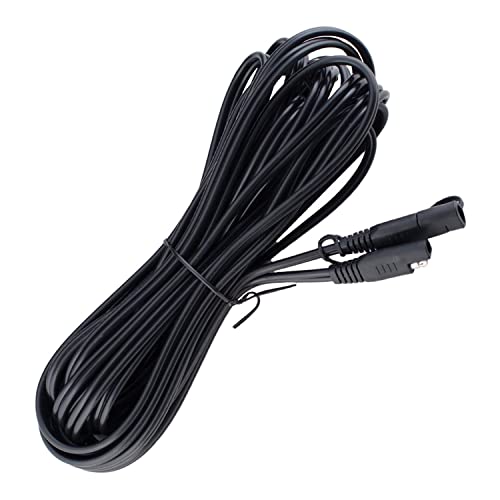
Battery Tender 25 Foot Extension SAE Cable

BatteryMINDer 210-AY Multiple Battery Connector

Victron Energy Blue Smart IP65 12V 7A Charger
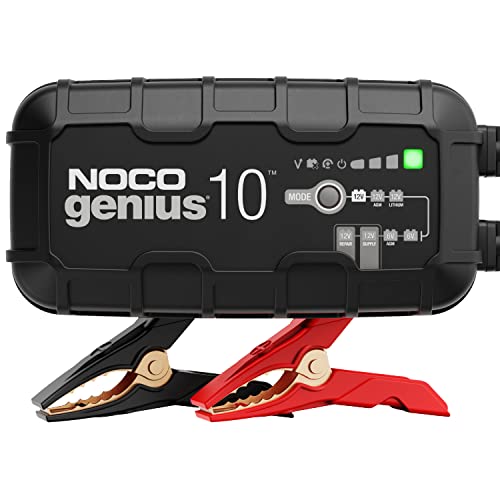
NOCO GENIUS10 10A Smart Charger and Maintainer

OptiMate3 0.8A 12V Motorcycle and Powersport Charger

NOCO GENIUS5 5A Smart Charger and Maintainer

Schumacher Electric SC1280 12V/6V Trickle Charger

NOCO GENIUS2 2A Smart Charger and Maintainer

Schumacher Electric SC1361 6A 12V Maintainer

Schumacher Electric SC1281 6A 6V/12V Maintainer
Inside Each Recommended Option
Reach is the silent limitation of any battery charger, and that limitation is exactly what this 25-foot SAE (a standard two-pin polarized connector used widely on powersport batteries) lead fixes. It plugs between any Battery Tender charger and the vehicle, extending the charger’s existing harness far enough to reach a corner of a detached workshop or a tucked-away parking spot.
The cable uses the brand’s quick-disconnect plugs on each end, so you do not have to wire anything in. Riders with bikes parked at the back of a shed, or anyone whose car lives at the far end of a driveway, will appreciate the no-fuss approach.
Notable Upsides
- 25 feet of extra reach, no tools required thanks to the quick-disconnect plugs
- Compatible across the brand’s Junior, Plus, and multi-bank charger family
- Lets a charger stay wall-mounted while the vehicle sits at a distance
- Useful in apartments where the parking spot is far from any outlet
Points To Keep In Mind
- Only works with Battery Tender chargers, so it is brand-specific rather than universal
- A long cable run means voltage drop over distance, which may slow charging slightly on very depleted batteries
Quick Technical Notes
Right Fit For
Owners with Battery Tender chargers whose vehicles sit farther than the stock lead can reach, particularly in detached garages or long driveways.
Reach For A Different Pick When
You need the charger itself, not just a longer cable, in which case the NOCO GENIUS10 is the more useful all-in-one pick.
This accessory splits a single BatteryMINDer output into two fused leads, letting you charge or maintain a pair of batteries in parallel from one charger. It is a practical tool for households with a tow vehicle and a boat, or a small workshop running multiple pieces of equipment from one power source.
Each branch carries its own 15-amp fuse, so a fault on one battery isolates cleanly instead of threatening the charger or the other battery. SmarTECHnology in the parent charger handles the rest, adjusting voltage and current to suit each bank.
Real-World Strengths
- Doubles a single charger’s reach across two batteries at once
- Built-in 15-amp fuses protect against short-circuit damage on either lead
- Works with ring terminals, battery clips, or insulated clips, depending on what you own
Some Limits To Know
- Requires a compatible BatteryMINDer charger to operate, sold separately
- Connector ends are not included, so budget for clips or ring terminals if you do not already own them
Whose Shelf It Belongs On
Anyone already running a BatteryMINDer multi-bank charger who wants to expand capacity without buying a second full charger.
Swap It Out When
You have not yet invested in a BatteryMINDer charger, in which case the Victron Energy Blue Smart IP65 is a more self-contained starting point.
The Victron Energy Blue Smart IP65 charges 12-volt lead-acid and lithium batteries at 7 amps and pairs with a smartphone over Bluetooth (a short-range wireless link that lets the charger and your phone talk without cables). That wireless link is what separates it from the more utilitarian chargers on this list.
Through the Victron Connect app, you can monitor voltage and current in real time, log historical data, change charge profiles, and update the charger’s firmware when new features ship. The IP65 rating means the housing is sealed against dust and low-pressure water jets, so it tolerates a damp garage or a rain-splashed driveway.
The Upside
- Bluetooth monitoring turns battery maintenance into something you can check from the couch
- IP65 sealing handles dusty workshops and damp conditions
- 7-amp output suits mid-size car batteries and many deep-cycle applications
Honest Caveats
- App dependency adds a learning curve if you have never used Bluetooth diagnostic tools
- 7 amps may feel modest for very large batteries or jump-start situations
Feature Snapshot
Best Suited To
Tinkerers who enjoy data and want to log battery health over time, or anyone who charges in a damp location where ordinary chargers would suffer.
Skip It When
You want a simpler plug-and-forget charger without the app layer, in which case the NOCO GENIUS5 handles the same job with less setup.
The NOCO GENIUS10 is the most capable all-rounder in the line. At 10 amps, it charges 6-volt and 12-volt lead-acid batteries, including flooded, gel, AGM (absorbed glass mat, a sealed battery type that resists vibration), and deep-cycle variants, plus lithium-iron-phosphate (LiFePO4) packs up to 230 amp-hours.
Beyond charging, the GENIUS10 includes a desulfator (a pulse routine that breaks down lead-sulfate crystals on tired plates) to recover batteries that have sat neglected, plus temperature compensation that adjusts voltage for hot engine bays or cold outdoor storage. Force Mode lets you recover a deeply discharged battery that has dropped below the charger’s normal working range.
What Stands Out
- 10-amp output is substantial enough for full-size car and truck batteries
- Compatibility spans lead-acid and LiFePO4 batteries up to 230Ah
- Desulfator mode can breathe life back into batteries that have lost capacity from sitting idle
- Temperature compensation keeps the charge profile correct in extreme conditions
- Force Mode recovers batteries discharged down to zero volts
Trade-Offs To Consider
- Larger and heavier than smaller GENIUS models, so storage takes more shelf space
- Overkill for small motorcycle batteries that the OptiMate3 covers more efficiently
Feature Rundown
Made For
Garage owners with a mix of vehicles who want one charger that handles nearly every chemistry, plus recovery when a battery has sat too long.
Look Elsewhere When
Your needs lean toward small powersport batteries, in which case the OptiMate3 0.8A does that job with less cost and bulk.
Motorcycles, ATVs, and personal watercraft have small batteries that suffer from long storage periods. The OptiMate3 is built specifically for that problem. At 0.8 amps, it charges slowly and gently, then switches into a long-term maintenance mode that keeps the battery topped up without overcharging it.
It works across AGM, gel, standard flooded, and starter-style 12V lead-acid batteries up to a reasonable capacity. Riders who store bikes over winter, or anyone with a seldom-used side-by-side, will find the connect-and-forget routine refreshing.
Where It Helps
- Low 0.8-amp output suits small motorcycle and powersport batteries
- Maintenance mode can run for months without damaging the battery
- Recovers batteries other chargers might give up on, including deeply discharged ones
Where It May Fall Short
- Too slow for full-size automotive batteries that need meaningful recovery
- Limited to 12V systems, so 6V classics need a different unit
Right Fit For
Riders storing motorcycles, ATVs, or personal watercraft through the off-season who want a true long-term tender.
Consider Something Else When
You also need to charge a full-size car battery, in which case the NOCO GENIUS5 handles both small powersport and standard automotive batteries.
The GENIUS5 is the middle child of NOCO’s lineup, and that middle ground is exactly why it sells so well. At 5 amps, it charges 6V and 12V lead-acid batteries, plus lithium-iron-phosphate packs up to 120 amp-hours. The output is enough for sedans, SUVs, and small deep-cycle batteries without paying for the larger GENIUS10 footprint.
It carries the same smart-charging suite as its bigger sibling: overcharge protection, desulfation mode, temperature compensation, and Force Mode for zero-volt recovery. For most daily drivers and family vehicles, this hits the sweet spot between capability and size.
Strengths Worth Knowing
- 5-amp output covers most sedans, SUVs, and small trucks
- Compatibility spans lead-acid and LiFePO4 chemistries up to 120Ah
- Smaller and lighter than the GENIUS10, so storage is easier
- Includes desulfator and Force Mode for battery recovery
Less-Strong Areas
- Not strong enough for large diesel truck batteries that the GENIUS10 handles more comfortably
- Cables are shorter than some users expect, so plan how the charger reaches the battery
Key Product Details
Who It Suits Best
Daily drivers and family-vehicle owners who want one charger that handles both traditional and lithium batteries without the bulk of the larger GENIUS10.
A Better Fit Elsewhere
Owners of large trucks, boats, or RV battery banks may prefer the Victron Energy Blue Smart IP65, which delivers more current for bigger packs.
Schumacher has built a long reputation in the automotive charger world, and the SC1280 carries that heritage forward. It works on both 6-volt and 12-volt batteries, including AGM, gel, and deep-cycle chemistries found in cars, boats, and lawn equipment.
A 3-amp trickle rate handles maintenance duties and slow recovery. The microprocessor-controlled logic adjusts the charge profile automatically, so once the battery is topped off, the unit switches into a float-maintenance mode without overcharging.
What Makes Sense
- Microprocessor-controlled charging adapts to AGM, gel, and deep-cycle batteries
- Restore mode can recover batteries that have lost capacity from sitting unused
- Fully automatic operation means no manual mode switching
Where It Is Less Suited
- 3-amp trickle output is slow for jump-start scenarios; the Schumacher SC1281 is the better choice there
- No Bluetooth monitoring, unlike the Victron Energy Blue Smart IP65
Built With In Mind
Drivers with AGM or gel batteries who want a set-and-forget trickle charger that handles marine and automotive batteries alike.
Another Choice May Suit
Tech-leaning users who want phone-based monitoring should look at the Victron Energy Blue Smart IP65 instead.
The GENIUS2 is the smallest NOCO charger in the current lineup, but it shares the same smart-charging DNA as the larger GENIUS5 and GENIUS10. At 2 amps, it works on 6V and 12V lead-acid batteries and lithium-iron-phosphate packs up to 40 amp-hours.
The body is small enough to leave permanently mounted on a motorcycle or tucked into a trunk, which makes it a natural fit for apartment dwellers, classic-car owners with limited outlet access, and anyone who wants a charger that disappears on a shelf.
Strong Points
- Compact body fits in tight storage spots, glove boxes, and under seats
- Same smart-charging suite as larger GENIUS models, including desulfation
- Handles 6V and 12V lead-acid plus LiFePO4 batteries up to 40Ah
A Few Limitations
- 2 amps is too slow to meaningfully charge larger automotive batteries from a deeply discharged state
- 40Ah ceiling excludes the deep-cycle batteries the GENIUS5 covers
Who Should Grab It
City dwellers and motorcycle or scooter owners who need a tiny, set-and-forget maintainer that can live in a small space.
Not Your Match When
You drive a full-size car or truck, in which case the NOCO GENIUS5 provides more current for the same low-fuss routine.
The SC1361 sits in the middle of Schumacher’s current lineup, delivering 6 amps of charging current to 12-volt batteries. It is sized for home workshops and farm shops where one or two vehicles need regular maintenance but a heavy-duty starter is not part of the routine.
The combination of charging current and a dedicated maintainer mode gives this unit more flexibility than the SC1280’s 3-amp trickle, while staying lighter and more affordable than the larger SC1281.
Useful Touches
- 6-amp output balances charging speed with manageable size
- Multi-function design combines charger, maintainer, and basic diagnostic roles
- Durable housing suits workshop and farm environments
Things To Weigh
- Limited to 12V systems, so 6V classics need a different unit
- No engine-start assist, which the larger Schumacher SC1281 offers
Perfect Match For
Garage hobbyists who want a bench-friendly charger and maintainer without the bulk of an engine-start unit.
Where A Sibling Pick Shines
You sometimes need to jump-start a stubborn engine, in which case the Schumacher SC1281 adds 100-amp engine-start capability.
The SC1281 is the most aggressive charger in this roundup. It delivers 6 amps of charging current plus a 100-amp engine-start assist, meaning it can crank a stubborn engine in addition to handling routine maintenance. It supports both 6V and 12V batteries across cars, trucks, and SUVs.
For drivers who occasionally face dead batteries in cold weather, the engine-start mode is the headline feature. The fully automatic charging profile takes over once the engine is running, and the maintainer mode keeps the battery topped up between uses.
Well-Handled Touches
- 100-amp engine-start assist handles dead batteries in cold weather
- Works on both 6V and 12V battery systems
- Fully automatic charging switches between charge and float modes without supervision
Potential Compromises
- Bulkier and heavier than maintainer-only units, so storage takes more room
- Higher current output is unnecessary for small motorcycle or scooter batteries
Who Will Love This
Workshop owners and drivers in cold climates who occasionally need a jump-start boost alongside regular maintenance charging.
Skip It When
You never deal with dead engines and just want a quiet maintainer, in which case the NOCO GENIUS10 handles the charging side with less weight.
Choosing the Right Charger for Your Garage and Vehicles
Match Output to Battery Size
Charging current, measured in amps, dictates how quickly a charger can refill a depleted battery. A 0.8-amp tender like the OptiMate3 is ideal for small motorcycle batteries but would take days to refill a deeply discharged truck battery. For most daily-driver applications, 5 to 10 amps is the practical middle ground. The NOCO GENIUS5 and GENIUS10 both land in that range, and the GENIUS10 stretches further into larger battery banks.
Look for Smart Charging and Battery Chemistry Support
Smart chargers automatically adjust voltage and current based on battery state, which prevents overcharging and extends battery life. Look for units that support multiple chemistries: flooded lead-acid, AGM, gel, and increasingly LiFePO4. If you own more than one vehicle with different battery types, that flexibility avoids buying a separate charger for each.
Decide Whether You Need Engine Start
Most automotive battery chargers are designed for maintenance and slow recovery, not jump-starting. If you occasionally face a dead engine in cold weather, a charger with engine-start assist, such as the Schumacher SC1281, gives you a backup plan. Otherwise, a maintainer-only unit keeps things simpler, lighter, and less expensive.
Consider the Charging Environment
Where you plan to use the charger matters. Damp garages and outdoor setups benefit from sealed housings like the Victron Energy Blue Smart IP65’s IP65 rating. Long distances between outlet and vehicle call for extension cables like the Battery Tender 25-foot lead. Matching the charger’s design to your actual setup saves frustration down the road.
Key Considerations Across These Picks
Where Shoppers Go Wrong
The most common mistake is buying the highest-amperage charger available and assuming more is better. In reality, oversized current can warp plates in smaller batteries, especially motorcycle and lawn-tractor packs. Match the charger to the smallest battery you plan to service, then decide if you need extra headroom for larger vehicles.
A second trap is ignoring battery chemistry. Lithium-iron-phosphate batteries require a specific charge profile that older lead-acid chargers cannot deliver safely. If any vehicle in your garage uses LiFePO4, confirm the charger explicitly supports it before buying.
The Case For Spending Up
Premium chargers earn their price through better diagnostics, app-based monitoring, and recovery features like desulfation. A mid-tier NOCO GENIUS10 desulfates neglected batteries that cheaper chargers would simply declare dead, which can save the cost of a replacement battery the first time it matters. App-connected units like the Victron Energy Blue Smart IP65 add visibility into long-term battery health, especially useful for owners of seasonal vehicles.
Frequently Asked Questions
How long does it take to fully charge a car battery with a maintainer?
A 5-amp charger typically takes 6 to 12 hours to bring a moderately discharged car battery to full charge. Slower trickle rates extend that timeline but apply gentler current that is easier on the battery.
Can I leave a smart charger connected indefinitely?
Yes, smart chargers with float or maintenance modes are designed for long-term connection. They reduce current once the battery reaches full charge and only top up as needed to compensate for natural discharge.
Do lithium batteries need a special charger?
Lithium-iron-phosphate batteries do require a charger with a LiFePO4-specific charge profile. Standard lead-acid chargers can undercharge or damage lithium packs, so always confirm compatibility before connecting.
What is desulfation, and do I need it?
Desulfation uses controlled pulse cycles to break down lead-sulfate crystals that build up on battery plates during storage or undercharging. If you own vehicles that sit for weeks at a time, a charger with desulfation mode can extend battery life significantly.
Are engine-start assist chargers safe for modern electronics?
Modern chargers with microprocessor control and surge protection are designed to work with sensitive vehicle electronics. Always follow the manufacturer’s instructions and connect to the proper terminals to avoid voltage spikes.
Closing Remarks
The right automotive battery charger turns a seasonal nuisance into a non-event. Smart units like the NOCO GENIUS10 cover most garage needs, while specialists like the OptiMate3 and Victron Energy Blue Smart IP65 shine in narrower roles. Match the charger to your battery types, your storage environment, and how often you actually drive each vehicle, and the rest takes care of itself.