A solid set of auto battery clamps turns a frustrating electrical job into a quick, repeatable task. Whether you’re wiring a second battery in a camper van, replacing corroded OE terminals on a daily driver, or just want dependable jumper cables in the trunk, the right clamp makes every connection cleaner. The ten picks below cover distribution blocks, replacement top-post clamps, marine-grade lugged cables, and traditional booster cables, so you can match hardware to your specific setup instead of guessing at the parts counter.
The Choices Worth Comparing

Vgate 12-Way Lead-Acid or Lithium Battery Distribution Block

Kaas Battery Terminal Connectors, 12-Way, Red/Blue Set

Kaas Lead Acid Battery Terminal Clamps, 4-Way, OEM Adapter

Made in Taiwan 9-Way Battery Terminal Connectors

Vgate Lead Acid Battery Terminal Clamps, 12-Way

Vgate 8-Way Lead Acid Battery Terminal Connector, AGM

6 AWG Battery Cables, 5/16″ Tinned Copper Lugs, 1ft (2-pack)
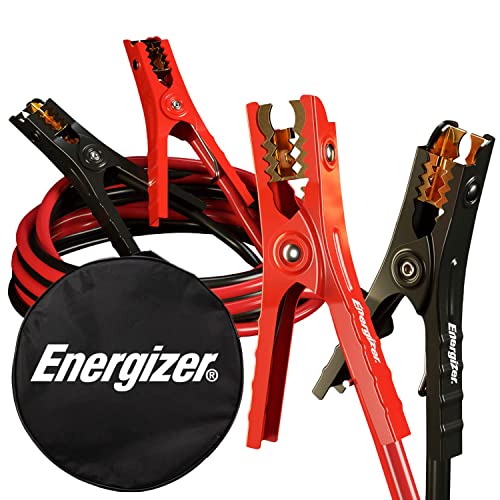
Energizer Jumper Cables, 16-Foot, 6-Gauge

Kaas 8-Way Lead Acid Battery Terminal Connector with OEM Adapter

Kaas 8-Way Lead Acid Battery Terminal Connector, Metallic Silver
A Closer Look At Each Pick
Vgate opens the list with the most chemistry-flexible block in the roundup. Twelve connection points split between hole holders and threaded studs (M10 or 3/8″-16) handle lead-acid banks and lithium packs alike, so swapping a battery chemistry later doesn’t force a parts swap. The compact footprint suits tight engine bays and tucked-away battery trays, which matters once you start routing four or five accessory leads to one positive post.
Compared with the Kaas 12-Way later on, this Vgate leans harder into lithium support and ships with smaller hardware increments for thinner gauge wiring. You’ll likely find the included screw sizes (4, 6, and 8 mm) cover most automotive add-ons, though very heavy inverter cables may call for adapters you don’t get in the box.
Useful Highlights
- Dual-chemistry compatibility removes the need to re-buy when switching from lead-acid to lithium.
- Mix of bolt-down ends and threaded studs accepts a wider range of terminal lugs in one install.
- Compact dimensions help in tight battery trays where full-size distribution blocks won’t seat flat.
- Twelve connection points reduce daisy-chained ring terminals, which improves long-term serviceability.
Things To Weigh Up
- The included hardware may not suit every heavy-gauge cable you plan to attach.
- Lithium posts sometimes need a separate stud-to-post adapter that’s not bundled here.
Built For Mixed-Chemistry Setups
Garages running lead-acid today but eyeing a lithium swap tomorrow will get the most mileage from this distribution block.
Look Elsewhere When
The Vgate Lead Acid Battery Terminal Clamps suit you better if you need 6061 aluminum construction and don’t care about lithium support.
Color-coding looks trivial until you crawl under a dash at night trying to find the right post. Kaas solves that with a red positive and blue negative anodized (a protective oxide coating that adds color and corrosion resistance) pair, so polarity mistakes drop sharply. The 12-way layout covers 8 AWG through 4/0 (XL) wire, which is enough headroom for amplifiers, winches, and lighting banks without buying a second distribution block.
The easy-to-tighten head design is a quiet upgrade, reducing the stripped-fastener frustration common with cheaper marine-style clamps. Where this set differs from the Vgate 12-Way is the focus on tapered top-post fitment rather than multi-chemistry support, making it more of a pure audio and accessory play.
Practical Pluses
- Red/blue color matching takes the guesswork out of polarity at a glance, especially in dim engine bays.
- Wide gauge range (8 AWG to 4/0 XL) covers everything from a subwoofer install to a high-output inverter feed.
- Anti-loosening screw design aims to keep connections tight through vibration-heavy driving.
- Twelve connection points per post reduce the need for piggybacked adapters.
Honest Caveats
- Primarily suited to tapered top-post batteries, so JIS (Japanese Industrial Standard) pencil-post setups will need separate hardware.
- Anodized finish can wear on high-friction installs, exposing raw aluminum over time.
Right Fit For Audio Builds
Installers stacking amplifiers, lighting controllers, and secondary accessories onto a single battery will appreciate the gauge range and color coding.
Swap It Out When
The Made in Taiwan 9-Way Battery Terminal Connectors suit you better if verified material sourcing matters more than color coding.
Sometimes you just want to replace a crusty OE terminal without re-engineering the whole wiring loom. Kaas’s 4-way set ships with an OEM top-post adapter so your factory clamp can sit on top of the new hardware without splicing. Four hole-holders split between 2/0 and 1/0 AWG cover most factory cable gauges plus one or two aftermarket add-ons.
Unlike the larger 12-way options above, this set is lean by design. You trade raw connection count for a cleaner install that looks closer to stock, which matters for leased vehicles or anyone wanting a tidy engine bay.
What It Does Well
- OEM top-post adapter preserves the factory clamp, eliminating the need to cut original battery cables.
- 4-way layout keeps the post footprint small enough to fit under most factory battery covers.
- Compatible with SAE (Society of Automotive Engineers), DIN (German industry standard), and EN (European norm) tapered posts for broad fitment.
Room For Improvement
- Only four connection points mean stacked accessory loads will require a secondary distribution block.
- Designed around lead-acid only, so lithium conversions require different hardware.
Best Suited To Stock-Style Replacements
Anyone replacing corroded OE terminals while keeping factory wiring intact will find this the least disruptive option in the roundup.
Reach For A Different Pick When
The Vgate 8-Way Lead Acid Battery Terminal Connector suits you better if you want more connection points and AGM (Absorbent Glass Mat) chemistry support.
Material sourcing is a quiet concern with battery hardware, since unknown aluminum alloys can corrode fast in marine or coastal environments. This Kaas set is built on an A6061-T6 aluminum platform (a heat-treated aerospace-grade alloy known for corrosion resistance) backed by SGS material and conductivity reports, which gives you paperwork to trust rather than a hopeful guess. Nine connection points land between the lean 4-way and the busier 12-way options.
For marine and RV banks where corrosion resistance drives long service life, the documented alloy matters more than extra ports. The set ships with post adapters for tapered top-post batteries, so most common marine and RV configurations drop straight in.
Standout Benefits
- Documented A6061-T6 aluminum construction provides traceable alloy quality rather than generic material claims.
- SGS-tested conductivity reports give installers a reference point when sizing wire runs.
- Nine-way layout balances accessibility with a footprint that fits under most battery compartment lids.
- Designed for clean wiring routing on marine and RV battery banks.
Points To Note
- Smaller port count than the 12-way options means heavy accessory stacks will still need extra hardware.
- Premium alloy construction typically pairs with a higher price tier than generic alternatives.
Key Specs
Whose Shelf It Belongs On
Marine and RV owners who care about alloy sourcing and corrosion resistance will value the documented materials most.
A Better Fit Elsewhere
The Kaas 8-Way Lead Acid Battery Terminal Connector with OEM Adapter suits you better if you want a no-cut factory-style install and don’t need marine documentation.
Vgate’s 12-way lead-acid clamp is the heavy lifter in this roundup. Machined from 6061 aluminum, it balances six 2/0 AWG hole holders with six 8 mm threaded studs, so you can mix ring terminals and stud-mounted lugs on the same post. Voltage compatibility spans 6V to 48V systems, which opens up use cases from classic cars to golf carts and off-grid solar banks.
Where this differs from the Kaas 12-Way is the broader voltage range and the heavier gauge bias, leaning toward inverter and industrial setups rather than car-audio installs. The trade-off shows up in footprint: it’s chunkier than compact distribution blocks, so measure your tray before committing.
Bright Spots
- 6061 aluminum machined construction offers good corrosion resistance and dimensional accuracy.
- Six 2/0 AWG hole holders and six threaded studs handle a mix of terminal styles on one post.
- Voltage range from 6V to 48V covers cars, trucks, RVs, marine banks, and solar setups.
Some Limits To Know
- Larger footprint may not fit under factory battery covers without modification.
- Lead-acid focus means lithium conversions need extra adapters not bundled here.
Made For Multi-Load Installs
Truck, RV, marine, and off-grid solar builds with several high-draw accessories benefit most from the broad gauge range.
Another Choice May Suit
The Vgate 12-Way Lead-Acid or Lithium Battery Distribution Block suits you better if lithium support and dual-chemistry flexibility matter more than voltage range.
Eight connection points split between four hole holders and four threaded studs make this Vgate the everyday workhorse for lead-acid battery swaps. It’s listed for AGM, GEL, WET, MF (maintenance-free), and CA/CA (calcium-calcium) lead-acid types, which covers basically every flooded and sealed battery on the road today. Voltage support runs the same 6V to 48V span as the larger Vgate above.
The catch is JIS pencil-post batteries aren’t included, so some Japanese domestic-market vehicles will still need separate hardware. For most daily-driver battery swaps on SAE/DIN/EN tapered posts, this lands in a sweet spot of capacity and footprint.
What Stands Out
- Compatible with AGM, GEL, WET, MF, and CA/CA lead-acid batteries for broad coverage.
- Mix of hole holders and threaded studs fits both ring terminals and stud-mounted lugs.
- Voltage support from 6V to 48V suits cars, trucks, and light industrial setups.
- Wire range from 8 AWG to 4/0 (XL) covers most aftermarket accessory loads.
Worth Bearing In Mind
- JIS pencil-post setups require a separate stud-to-post adapter not included in the box.
- Lithium batteries need different hardware entirely, which adds cost for EV-adjacent builds.
Right Fit For Daily Drivers
Shops and home mechanics running standard tapered top-post lead-acid swaps will find this the most versatile mid-size option.
Consider Something Else When
The Kaas 8-Way Lead Acid Battery Terminal Connector with OEM Adapter suits you better if you want factory-clamp compatibility out of the box.
Switching from terminal clamps to pre-lugged cables changes the install for marine, solar, and inverter projects. This Nilights pair ships as two 1-foot 6 AWG cables with 5/16-inch tinned copper lugs on both ends, ready to bolt onto batteries, busbars, and inverters without a crimping tool. The tin plating fights corrosion in damp engine bays and bilge compartments.
Where it sits differently from the rest of the list is in cable form rather than clamp form, so think of this for new wiring runs rather than terminal replacement. The 1-foot length suits tight jumpers between adjacent batteries or short inverter leads where a longer cable would just create slack.
Real Benefits
- Pre-crimped tinned copper lugs eliminate the need for a dedicated crimping tool.
- 6 AWG gauge handles moderate accessory loads in solar, marine, and inverter contexts.
- Tin plating on copper resists corrosion in humid and marine environments.
- Two-pack covers both positive and negative runs in a single purchase.
Practical Considerations
- 1-foot length works for short jumpers but requires splicing or extensions for longer battery-to-inverter runs.
- Fixed 5/16-inch lug size may not match every terminal stud on the market.
Best Suited To Solar and Marine Wiring
Off-grid solar arrays, boat battery banks, and RV inverter hookups gain the most from corrosion-resistant pre-lugged cables.
Not Your Match When
The Energizer Jumper Cables suit you better if you need long booster cables for roadside emergencies rather than short fixed wiring.
Old-school booster cables round out the list for the most common emergency: a dead battery in a parking lot. Energizer ships 16 feet of 6-gauge cable with thick vinyl coating that resists rust and corrosion through trunk storage. The included carrying case keeps the cables from tangling into a mess under the cargo floor.
Compared with the fixed-installation clamps above, this is the only true portable pick, so think of it as a complement rather than a replacement. The 16-foot length handles most vehicle-to-vehicle jumps, though longer wheelbase trucks parked nose-in may stretch that range.
Good Reasons To Consider
- Thick vinyl coating shields the cable from rust and corrosion during long-term trunk storage.
- Spring-loaded clamps with comfort handles make secure placement easier on cold or dirty terminals.
- Included carrying case keeps cables organized in the trunk.
- 6-gauge, 16-foot length suits most compact to full-size vehicle jump scenarios.
Small Caveats
- 16 feet may feel short when jumping two large trucks parked nose-to-nose in tight spots.
- 6-gauge is adequate for most cars but lighter than what heavy-duty trucks ideally want for cold starts.
Built With Roadside Kits In Mind
Anyone keeping a basic emergency kit in the trunk will get the most mileage from a portable, bagged cable set.
Skip It When
The 6 AWG Battery Cables with tinned copper lugs suit you better if you need fixed wiring for a permanent inverter or solar install.
The Kaas 8-Way is the pick for someone adding accessories without sacrificing factory wiring. Four hole holders (two 2/0 AWG and two 1/0 AWG) plus top-mounted posts give you the connection density of a distribution block, and the included OEM post adapter lets your factory clamp bolt straight on top. That means no cutting, no splicing, and no warranty arguments with the dealership.
The anti-loosening screw design and easy-to-tighten head reduce the stripped-fastener headaches that come with cheaper stamped clamps. Where it differs from the Vgate 8-Way is the bundled OEM adapter, which saves a separate purchase if you want to keep the factory clamp in play.
Reasons It Performs
- Bundled OEM top-post adapter lets factory clamps bolt directly on without cable cutting.
- Eight connection points (four hole holders and four posts) handle moderate accessory stacks.
- SAE/DIN/EN tapered post fitment covers most import and domestic vehicles.
- Anti-loosening screw design helps maintain clamp pressure through vibration.
Where It May Fall Short
- Lead-acid focus excludes lithium conversions without additional adapters.
- Eight connection points will still bottleneck very heavy accessory builds.
Feature Snapshot
Who Should Grab It
DIYers adding amplifiers, lighting, or auxiliary power without disturbing factory wiring will find the OEM adapter the standout feature.
Where A Sibling Pick Shines
The Vgate 8-Way Lead Acid Battery Terminal Connector suits you better if you don’t need the OEM adapter and want broader chemistry coverage.
The metallic silver finish is the headline here: under-hood presentation matters when the battery is on display at car shows or tucked into an open engine bay. Kaas uses the same four hole holders (two 2/0 AWG and two 1/0 AWG) as the standard 8-Way set above, plus top-mounted posts for ring terminals and lugs. SAE/DIN/EN tapered post fitment keeps the install simple on most vehicles.
The trade-off versus the colored Kaas set earlier is no red/blue polarity coding, so you’ll lean on cable colors and post labels to keep orientation clear. For show cars where aesthetics matter as much as function, the polished finish earns its place.
The Practical Payoff
- Metallic silver finish looks clean in open engine bays and show-car setups.
- Four hole holders and four top-mounted posts provide flexible connection options.
- Wire range from 8 AWG to 4/0 AWG handles most automotive accessory loads.
- SAE/DIN/EN tapered post compatibility covers most import and domestic vehicles.
Factors To Consider
- Lack of color coding requires manual polarity tracking, which can slow multi-accessory installs.
- Polished finish may need occasional cleaning to maintain its appearance in dirty engine bays.
Perfect Match For Show Cars
Garage builders prioritizing presentation along with function will appreciate the metallic finish on display builds.
Reach For A Different Pick When
The Kaas Battery Terminal Connectors with red/blue color coding suit you better if you want built-in polarity identification during the install.
Picking The Right Clamp for Your Setup
Auto battery clamps split into three functional groups: distribution blocks for multi-accessory wiring, replacement top-post clamps for swaps and upgrades, and portable cables for emergencies. Within each group, gauge range, post fitment, and chemistry support drive the real-world fit.
Gauge Range and Post Fitment
The wire gauge range tells you how much current the clamp can safely pass. 8 AWG handles lighter accessories like lighting and small inverters, while 4/0 (XL) supports high-output audio and winch loads. Post fitment matters just as much. SAE (the common North American tapered post) covers most gas and diesel vehicles, DIN and EN cover European posts, and JIS pencil posts show up on some Japanese domestic models. Mismatched fitment is the most common install surprise.
Chemistry and Voltage Compatibility
Lead-acid variants (AGM, GEL, WET, MF, CA/CA) all work with most standard clamps. Lithium batteries, however, often use different post shapes or require stud-to-post adapters. If you may swap chemistries later, look for blocks that explicitly support both, or budget for adapters.
Connection Count and Footprint
More connection points give you flexibility for stacking accessories, but they also increase the physical footprint. Measure your battery tray before ordering a 12-way block; some factory covers won’t seat over the larger hardware. For most daily-driver replacements, 4 to 8 connection points cover the typical load without crowding the bay.
Key Considerations Across These Picks
Common Buying Traps
The biggest mistake is matching the clamp to the battery brand instead of the post type. A clamp listed as universal may not actually fit JIS pencil posts, and European-spec tapered posts sit slightly different from SAE. Double-check the post standard before ordering, especially for imported vehicles. Another trap is overlooking wire gauge: a 1/0 AWG hole holder can’t safely pass a 4/0 cable, so undersized clamps show up as melted terminals under heavy load.
Where The Extra Money Goes
Higher-tier clamps typically mean documented aluminum alloys, anodized finishes, and bundled adapters. The Made in Taiwan 9-Way stands out for traceable A6061-T6 material and SGS reports, which matters in marine or coastal environments where corrosion eats generic alloys. Spending up also buys convenience: bundled OEM adapters save a separate purchase, and color-coded sets reduce polarity mistakes during late-night installs.
Frequently Asked Questions
What’s the difference between a battery clamp and a distribution block?
A battery clamp replaces or upgrades the terminal on top of a single battery post. A distribution block (also called a battery terminal block) splits one post into multiple connection points, letting you wire several accessories to one battery without stacking adapters.
Can I use any clamp with lithium batteries?
Not always. Lithium batteries often use different post shapes and may require stud-to-post adapters. Look for clamps that explicitly list lithium support, or plan to buy adapters separately.
What gauge clamp do I need for a car audio system?
For most subwoofer and amplifier installs, 1/0 to 2/0 AWG hardware is the sweet spot. High-output systems running multiple amps may push into 4/0 territory, so match the clamp gauge to your largest cable, not your smallest.
Do I need an OEM top-post adapter?
You need one if you want to keep your factory battery clamp intact. Adapter kits let the new distribution block sit between the battery post and the OE clamp without cutting original cables, which matters for leased vehicles and warranty work.
How do I prevent corrosion on aluminum battery clamps?
Dielectric grease (a non-conductive coating that blocks moisture) on the mating surfaces, periodic cleaning, and tin-plated lugs all help. In marine or coastal environments, documented alloys like A6061-T6 paired with tinned copper hardware typically outlast generic cast aluminum.
Closing Remarks
Match the clamp to your post type and chemistry first, then size up for gauge range and connection count. A well-chosen set of auto battery clamps makes every future wiring job faster, and a quality jumper cable set in the trunk handles the emergencies that crop up in between. Either way, the right hardware pays for itself the first time you avoid a corroded-terminal headache on a cold morning.