Aging lead-acid banks die mid-trip, trolling motors stall before sunset, and a weekend on the water costs more in replacements than the rest of the gear combined. A modern 12V marine battery, sized to your loads and matched to your hull, quietly fixes that pattern. The ten picks below cover weekend anglers, full-time cruisers, RV boondockers, and anyone building a backup bank that actually wakes up when the grid goes dark.
How The Shortlist Stacks Up
LiTime 12V 230Ah Deep Cycle LiFePO4 Battery
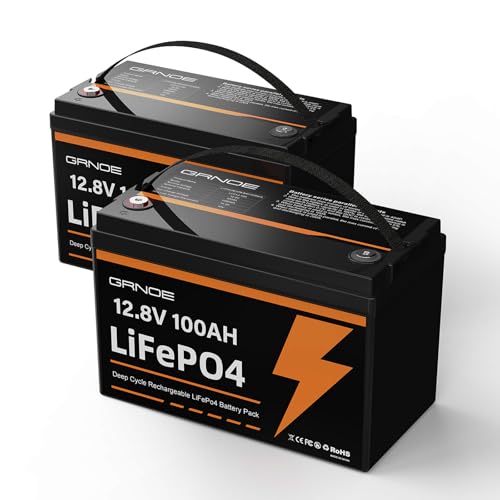
GRNOE 12V 100Ah LiFePO4 Group 31 Battery (2 Pack)

Power Queen 12V 100Ah Trolling Motor LiFePO4 Battery
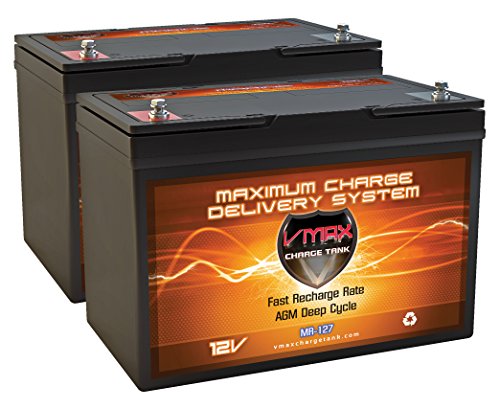
VMAX MR127-100 Group 27 AGM Kit (2 Pack)
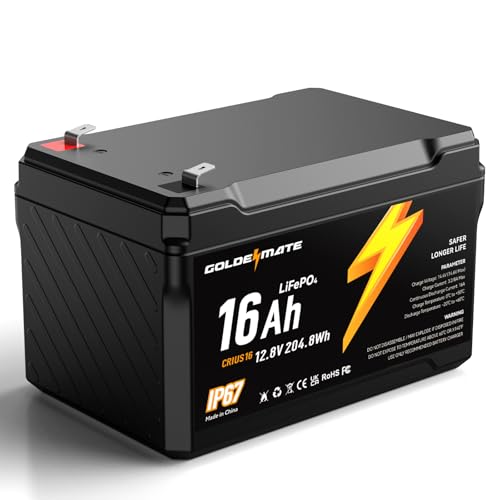
GOLDENMATE 12V 16Ah LiFePO4 IP67 Battery
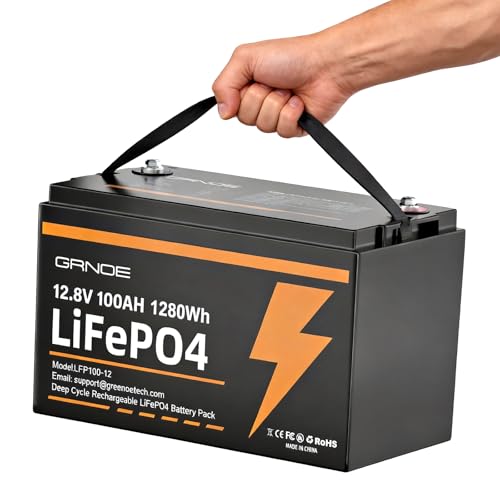
GRNOE 12V 100Ah Group 31 LiFePO4 Battery

HumsiENK 12V 100Ah LiFePO4 Bluetooth Battery
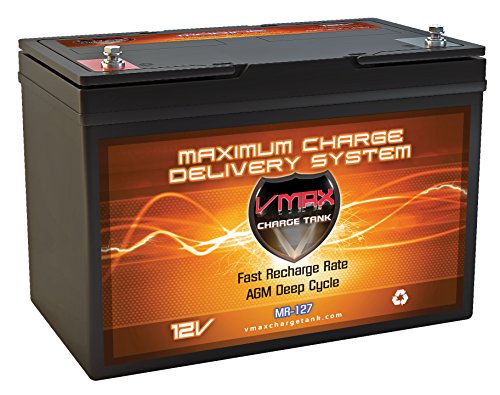
VMAX MR127 12V 100Ah AGM Group 27 Battery

GRNOE 12V 300Ah LiFePO4 200A BMS Battery

GOLDENMATE 12V 7Ah LiFePO4 Battery (2 Pack) IP67
More Details On Our Top Picks
The LiTime 230Ah is the kind of bank you spec when you want your cabin lights, fridge, and chartplotter to run a long weekend without a generator. At roughly 46 lb, it slots into a Group 4D box yet weighs about a third of an equivalent lead-acid, which matters when you are hauling it down a dock ladder.
For most cruisers running mixed AC and DC loads, the 200A battery management system with 20+ protection layers is the headline feature. The cold-weather cutoff pauses charging below 32°F, so shoulder-season sailors in northern harbors get an extra layer of cell safety. If your priority is a single lithium brick that quietly does it all, this one earns a serious look.
Strengths Worth Knowing
- 230Ah in a single case means fewer parallel connections and simpler wiring for big house banks.
- The 200A BMS handles short bursts from inverters and windlasses without tripping early.
- Low-temperature charging protection is genuinely useful for spring-launch boaters on cold mornings.
- At about 46 lb, one person can install it without rigging straps or a second helper.
Things To Consider
- Group 4D footprint requires a real measure of your battery compartment before ordering.
- A compatible LiFePO4 charger rated for the right absorption voltage is required, and standard lead-acid chargers often under-fill lithium banks.
At A Glance
Made For
Cruisers and liveaboards who want one big lithium brick to anchor their house bank.
Look Elsewhere When
The GRNOE 100Ah twin pack makes more sense if your battery box is Group 31 and you want to expand later.
Two Group 31 cases in one shipment give you 200Ah of usable lithium without committing to a single oversized brick. Compared with the LiTime 230Ah, this bundle trades raw capacity for the freedom to add more packs later as your power appetite grows.
GRNOE rates each unit for 15,000 deep cycles, and the configuration ceiling of 4P4S scales all the way to 51.2V at 20.48kWh. For boat owners running trolling motors, a small inverter, and cabin electronics, that ceiling rarely matters. For the overlander building a van bank, it absolutely does.
A Favorable Mix
- Dual-pack format keeps each cell under the 23 lb single-hand carry threshold.
- Group 31 sizing fits the most common marine battery trays without adapter plates.
- Modular expansion means you start small and grow without scrapping the original purchase.
- 15,000-cycle rating pushes the cost per cycle far below typical AGM service life.
Worth Noting
- One battery per box means multi-pack orders may arrive on different trucks, so plan a little patience for the second delivery.
- Series and parallel combinations demand matched charge states and an appropriate LiFePO4 charger to stay healthy.
Right Fit For
Van lifers and RV owners who want to start with 200Ah and expand a modular bank as loads increase.
Swap It Out When
The single LiTime 230Ah is a cleaner answer if you have a Group 4D box and no plans to scale beyond 230Ah.
Power Queen built this pack around the way trolling motors actually behave, not the way a generic lithium spec sheet reads. The built-in TVS surge protector absorbs voltage spikes from 12V-36V motors up to 120 lb of thrust, which is exactly the band where most bass-boat and kayak anglers live.
The marine-grade approach extends to ABYC E-13 compliance, a standard covering lithium battery installation on boats. Smart low-temperature protection also halts charging below 32°F and discharging below -4°F, addressing the two real failure modes that lithium cells suffer in cold launches and frigid storage.
Practical Advantages
- TVS surge protection is the right defense for the inductive kick from trolling motors in weed-choked water.
- ABYC E-13 alignment helps installers meet boat-build standards for lithium retrofits.
- Discharge cutoff below -4°F means you can leave it in an unheated rod locker without frying cells.
- 100Ah in a single Group 24-style case fits most kayak and jon-boat trays.
Trade Offs
- The 120 lb thrust ceiling rules out larger saltwater trolling motors, so bay-boat owners should verify motor size first.
- Single-pack format means expansion requires buying and matching a second unit later.
Who Should Grab It
Kayak and bass-boat anglers pushing a 12V-36V motor up to 120 lb of thrust through rough water.
Where Another Pick Suits Better
The VMAX MR127 AGM is a better match if you run 24V trolling motors or simply want a sealed drop-in.
This pair of VMAX MR127-100s is the throwback choice in a lithium-heavy list, and that is exactly the point. Two Group 27 absorbed glass mat batteries wired in series give you a maintenance-free 24V bank that drops into most existing trolling motor setups without chargers, BMS add-ons, or special wiring.
The AGM construction, with its high-porosity electrolyte suspension, resists vibration far better than flooded cells. For aluminum boats pounding chop or anglers who simply want proven chemistry they can top up with a standard marine charger, the trade-off in cycle life versus lithium is often worth the convenience.
Notable Gains
- Pre-paired for 24V wiring, eliminating the guesswork of matching two AGMs by hand.
- Sealed AGM chemistry means no acid spills in rough water or angled installations.
- Standard marine chargers work without firmware updates or lithium profiles.
- Carry handles on each case help when hauling two packs down a launch ramp.
Points To Keep In Mind
- AGM cycle life is shorter than the lithium packs higher in this list, so heavy daily anglers may replace sooner.
- Combined weight of two units makes installation a two-person job in tight compartments.
Feature Card
Best Suited To
24V trolling motor owners who want a sealed, no-fuss bank that any standard charger can refill.
Skip It When
The Power Queen 100Ah is the lighter, longer-lived call for anglers who can use a lithium charger and want extra runtime.
Sixteen amp-hours is not going to run a trolling motor, and it does not need to. The GOLDENMATE 16Ah is sized for the small stuff that ruins a day: bilge pumps, fish finders, LED spreads, and emergency lighting when the main bank goes flat.
Its IP67 rating, meaning dust-tight and submersible to one meter for short periods, makes it the rare lithium pack that can live in a splash zone. Compare that to the GRNOE 100Ah, which sits in a sealed compartment, and the case for a tiny backup bank becomes pretty clear.
What It Does Well
- IP67 sealing holds up to spray, dunkings, and rain-sodden rod lockers.
- The 16A BMS handles overcharge, over-discharge, and short-circuit events without separate protection hardware.
- Lightweight enough to mount almost anywhere, from under a seat to inside a console.
Honest Caveats
- Capacity is far too small to back a trolling motor or cabin lighting for any real length of time.
- Useful only as a secondary pack, so budget for a primary house battery too.
Perfect Match For
Boat owners who want a sealed emergency pack for electronics and bilge duty.
A Better Fit Elsewhere
The GOLDENMATE 7Ah twin pack is the cheaper call if you only need to keep a fish finder or alarm alive.
Stripped of the twin-pack pricing, this single GRNOE 100Ah is the everyday lithium workhorse for boat, RV, and home backup duty. At roughly 22 lb and 1280Wh of stored energy, it offers about a third of the weight of a comparable AGM without giving up the Group 31 tray footprint you already own.
GRNOE uses Grade A+ LiFePO4 cells and rates the pack for 15,000+ cycles, a lifespan that effectively retires battery anxiety for a decade of weekend use. The trade-off shows up in the charging side: a 14.6V adapter is required, and the manufacturer explicitly notes a 12V charger will not top it off.
A Few Strong Suits
- Group 31 dimensions mean it drops into existing trays built for traditional deep-cycle batteries.
- 15,000-cycle rating spreads the cost across years of real-world weekend use.
- Built-in 100A BMS handles overcharge, over-discharge, and short events without extra hardware.
- Light enough at about 22 lb to lift one-handed into a console or hatch.
A Few Limitations
- Charging needs a 14.6V lithium adapter; standard lead-acid chargers leave capacity on the table.
- Owners commonly recommend charging the pack at least once every two to three months to keep it healthy during storage.
Specs At A Glance
Whose Shelf It Belongs On
Boat and RV owners who want one do-it-all 100Ah lithium that fits the tray they already have.
Where Another Pick Suits Better
The HumsiENK 100Ah with Bluetooth is the call if you like monitoring state-of-charge from your phone.
The HumsiENK pack earns its place by giving you something no other lithium on this list does: live state-of-charge on your phone. A 100A smart BMS streams voltage, temperature, and performance data through a dedicated app, so you stop guessing how much fuel is left in the tank.
It also runs cold. The advertised operating range stretches from -4°F to 158°F, with an automatic low-temperature cutoff that protects cells in winter storage. At about 19.7 lb in a Group 24-sized case, it is also the lightest full-size 100Ah lithium in this roundup.
Benefits That Matter
- Bluetooth monitoring removes the guesswork from state-of-charge on long passages.
- Low-temperature cutoff down to -4°F suits cold-climate boating and unheated storage.
- 3 to 5 times the energy density of lead-acid at roughly a third the weight.
- Group 24 sizing opens up smaller compartments that reject larger packs.
Small Caveats
- App dependency adds a learning curve for owners who prefer a simple voltmeter.
- The 100A BMS caps continuous draw, so high-surge inverters may want a different pick.
Who Will Love This
Tech-comfortable owners who want real-time battery telemetry on a phone or tablet.
Consider Something Else When
The GRNOE 100Ah Group 31 is the better match if Bluetooth feels like overkill and you want a standard tray fit.
The single VMAX MR127 is the simpler sibling to the twin-pack kit earlier in this list, and it is the cleaner answer for anyone running a single 12V trolling motor in the 40 to 100 lb thrust range. It mounts in a standard Group 27 tray, accepts any marine charger, and gets on with the job.
AGM chemistry is forgiving in storage: no acid spills, no water top-ups, and steady performance across partial state-of-charge cycling. The honest read is that you give up cycle life compared with lithium, but you also skip the BMS and charging-profile headaches.
Why It Works Well
- Maintenance-free sealed AGM is friendly to angled mounts and rough water.
- Charges from standard marine alternators and shore chargers without lithium profiles.
- Group 27 footprint fits the most common small-boat battery compartments.
- Solid fit for Minn Kota, Cobra, and Sevylor motors in the 40 to 100 lb class.
Trade-Offs To Consider
- Cycle life is meaningfully shorter than the lithium options higher in this list.
- Heavier than equivalent lithium, so weight-sensitive kayak builds may want the GOLDENMATE 16Ah instead.
Built With In Mind
Small-boat owners running a single 12V trolling motor who want a sealed, no-fuss AGM.
Another Choice May Suit
The Power Queen 100Ah is the lighter, longer-lived call for anglers willing to add a lithium charger.
At 300Ah and roughly 56 lb, this GRNOE pack delivers about twice the usable energy of a typical AGM at a third of the weight, which is the kind of math that matters on a passagemaker or off-grid cabin. The 200A BMS is also comfortable driving larger inverters than the 100A units on this list.
Expansion headroom is the second story: configurations up to 4P4S climb to 1200Ah at 51.2V. For most weekend boaters, that ceiling is overkill. For liveaboards and full-time RVers, it is exactly what the system needs to grow into.
A Few Highlights
- 300Ah in a single case simplifies a large house bank without parallel wiring.
- 200A continuous BMS supports sizeable inverter loads for AC appliances.
- 5-year warranty coverage backed by lifetime technical support from the brand.
- Modular ceiling up to 4P4S leaves room to grow into a multi-kWh system later.
Possible Compromises
- Solar charging requires a dedicated charge controller, and standard SLA chargers risk damage.
- Premium capacity brings premium weight, so smaller hulls should verify deck load.
The Right Fit
Liveaboards, full-time RVers, and off-grid cabins that need a large lithium foundation today and room to expand tomorrow.
Not Your Match When
The LiTime 230Ah is the more measured choice if 300Ah exceeds your actual load profile.
Two 7Ah packs in the box, each sealed to IP67, each weighing about 2 lb, and each quietly handling the small loads that ruin a day if they fail. Think fish finders, nav lights, anchor light at the mooring, and the radio backup that keeps a mayday call possible.
This is the smallest pack on the list, so the role is clearly support rather than propulsion. The two-pack format is the smarter play because twin sealed 7Ah units typically outlast one larger battery in cycling service, and a failed pack still leaves a working twin.
Positive Takeaways
- Sealed IP67 construction handles spray and brief submersion without complaint.
- Twin-pack redundancy keeps a backup online even if one cell ages faster.
- About 2 lb per unit makes these truly portable for grab-and-go applications.
Where It Is Less Suited
- Capacity rules out any trolling, propulsion, or cabin-lighting role.
- Most useful alongside a primary house battery rather than on its own.
Who It Suits Best
Anglers and small-craft owners who need sealed backup power for electronics and emergency lighting.
Reach For A Different Pick When
The GOLDENMATE 16Ah is the cleaner single-pack call if you want one slightly larger sealed backup.
Matching a 12V Marine Battery to Your Boat and Loads
Capacity and chemistry matter more than brand loyalty in this category, and a smart match starts with honest load math, a system where you add up the amp-hours your trolling motor, lights, and electronics actually pull on a typical day. Lithium iron phosphate (LiFePO4) packs deliver more usable energy per pound than absorbed glass mat (AGM) and flooded lead-acid, but they require a compatible charger profile to reach full capacity.
Group size is the next gate. Group 24, 27, 31, and 4D cases all fit different compartments, and forcing the wrong size creates venting and strap headaches. For 24V trolling setups, a matched pair of 12V units wired in series often beats a single 24V brick because the replacements stay standardized.
Cold-weather operation is worth weighing in spring and fall. Several lithium packs on this list pause charging or discharging at defined temperature thresholds, a useful guardrail if your boat sits in an unheated shed. For tropical cruising, that protection rarely matters.
Finally, think about expansion. A 100Ah lithium that you can later parallel into a 200Ah or 300Ah bank lets you start small and grow. A single 230Ah brick solves today’s problem but locks you into a fixed ceiling.
What to Weigh Before You Click Buy
Common Shopping Slip Ups
The most common mistake is treating lithium like a drop-in replacement for lead-acid. Standard marine chargers typically top out at lower absorption voltages, so the bank never reaches full capacity and may underperform on day one.
Another trap is ignoring low-temperature charging limits. Lithium cells charged below freezing can sustain permanent damage, so cold-climate boaters should confirm a low-temp cutoff before ordering.
What The Higher Tier Buys
Premium lithium tiers earn their keep through longer cycle life, lighter weight, and built-in Bluetooth or app monitoring that takes guesswork out of state-of-charge. The honest read is that not every boater needs those extras. Weekend anglers with simple trolling loads often get equal value from a well-matched AGM, while liveaboards and full-time cruisers tend to recoup the premium through years of replacement savings.
Frequently Asked Questions
What size 12V marine battery do I need for a trolling motor?
Match the battery’s amp-hour rating to your motor’s draw and your typical runtime between charges. A 100Ah lithium bank generally handles a full day of moderate trolling, while smaller motors and shorter trips can manage on a single 50Ah or 100Ah AGM.
Can I use a regular marine charger with a lithium battery?
Most standard marine chargers will not push a lithium bank to full voltage. A charger rated for the right lithium absorption profile, around 14.6V for most LiFePO4 packs, is required to reach full capacity.
How long does a 12V marine battery last?
AGM and flooded lead-acid banks typically deliver a few hundred deep cycles before meaningful capacity loss. Quality LiFePO4 packs often rate for thousands to over ten thousand cycles, which translates to many years of weekend use.
Are lithium batteries safe on boats?
Modern LiFePO4 packs include a battery management system that protects against overcharge, over-discharge, and short-circuit events. Choosing a pack with marine-grade safety certifications and proper installation remains important.
What is the difference between Group 24, 27, and 31 batteries?
These are case sizes standardized by the Battery Council International, and each defines a different footprint. Group 24 is the smallest common marine case, Group 27 sits in the middle, and Group 31 is the largest of the three for typical house banks.
The Takeaway
The right 12V marine battery depends less on brand and more on how you use the boat: matched trolling motors, a weekend house bank, a small sealed backup, or a large expandable foundation. Walk the shortlist by your load profile first, then by your tray size and charging setup, and the choice tends to narrow itself. Any of these ten picks will outlast a tired flooded bank; the best one is the one that fits your hull and your habits.