Cold morning, dead battery, no time to wait for a tow. Anyone who’s had that moment knows the real value of a reliable 12-volt setup, whether you’re swapping in a lithium upgrade or just want a smart charger on standby. This list walks through ten solid options, mixing actual lithium batteries with the chargers and tenders that keep them healthy. You’ll find picks for daily drivers, weekend projects, stored classics, and small fleets, with honest notes on what each one does well and where it falls short.
How The Shortlist Stacks Up

Schumacher DSR125 10A Charger & Maintainer 6V/12V

SDULIBITIY 12.8V 60Ah LiFePO4 Car Battery Group 48

Schumacher SC1355 1.5A Charger & Maintainer 6V/12V

Schumacher SC1308 6A 6-in-1 Charger 6V/12V

Schumacher SC1299 0.8A Charger & Maintainer 12V

Schumacher SC1361 6A Charger & Engine Starter 12V

CRAFTSMAN CMXCESM258 12A 4-in-1 Charger 6V/12V

Schumacher SC1305 6A Charger With Engine Start 12V
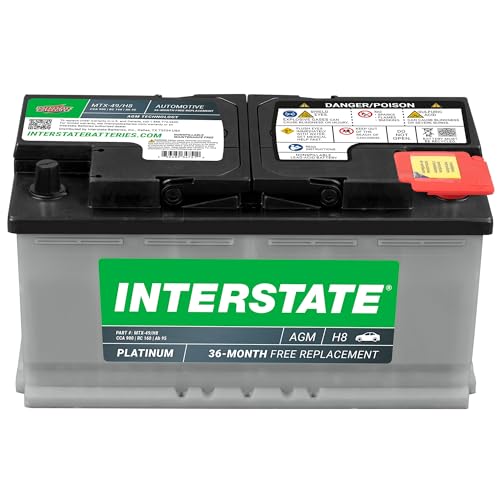
Interstate Batteries 12V 95Ah AGM Group H8

Schumacher SC1281 6A Charger With 100A Engine Start
A Deeper Look At The Lineup
The DSR125 is built for environments where one charger simply isn’t enough. Four independent banks let you bring up a sedan, a truck, a motorcycle, and a tractor battery at the same time, which is a real time-saver in any busy garage or small fleet operation. Each bank handles both 6V and 12V chemistries, so the unit covers a wide mix of vehicles without swapping tools.
Owners with multiple daily drivers or shop clients benefit most, since the four-bank layout eliminates the bottleneck of rotating one tender across many cars. For a single household vehicle, this is honestly more hardware than you need, and the price reflects that scale.
What Helps Most
- Four separate charging banks reduce downtime when working on multiple batteries
- Each bank accepts both 6V and 12V, covering classic cars and modern vehicles together
- 10-amp output per bank supports faster recovery than typical 1-amp tenders
- Pairing banks for higher amperage helps revive deeply discharged batteries faster
Trade Offs To Consider
- Bulkier than single-bank units, so bench space matters
- Higher upfront cost makes it tough to justify for a one-car garage
- More cables to manage, which can clutter a small workspace
Who It Suits Best
Small shop owners, hobbyists with a garage full of project cars, and anyone maintaining a multi-vehicle fleet will get the most out of this unit.
Look Elsewhere When
Households with only one or two vehicles should step down to the Schumacher SC1308, which delivers diagnostic features without the four-bank price tag.
This is the only true drop-in lithium battery on the list, using LiFePO4 chemistry (lithium iron phosphate) rather than lead-acid. Group 48 sizing fits many European and domestic start-stop vehicles, and the 1100 CCA (cold cranking amps) rating delivers confident cold-weather starts where ordinary batteries struggle.
Compared to the chargers above, this is a different category entirely: it’s the battery itself, not the support gear. Drivers running modern cars with start-stop technology or anyone shaving weight from a performance build benefits most. The trade-off is cost and the need to verify your vehicle’s charging system is lithium-compatible before swapping in.
Where It Delivers
- LiFePO4 chemistry handles heat, cold, and vibration better than lead-acid
- 1100 CCA provides strong cranking even in low-temperature conditions
- Group 48 sizing fits a wide spread of cars and light trucks
- Lower self-discharge rate suits vehicles that sit between drives
Honest Caveats
- Higher price per amp-hour than AGM lead-acid alternatives
- Some older vehicles with traditional alternators may need a lithium-compatible charger
Feature Snapshot
Made For
Owners of start-stop vehicles and drivers looking for a long-life lithium upgrade who can verify their alternator is lithium-compatible.
A Better Fit Elsewhere
Budget-conscious shoppers who just need reliable cranking power should consider the Interstate Batteries 12V 95Ah AGM instead, which costs less and accepts standard charging systems.
The SC1355 is the entry point of the Schumacher lineup and one of the most approachable units here. The 1.5-amp output is gentle, which is exactly what stored batteries want during long winter months in a garage or barn.
The reconditioning mode helps break down sulfate buildup on older batteries, potentially extending their useful life. Owners of classic cars, seasonal motorcycles, and ATV fleets will appreciate the small footprint and simple hookup, though anyone needing faster recovery will want a higher-amperage model.
What Works In Its Favor
- Reconditioning mode revives slightly sulfated batteries
- Compatible with standard, AGM, and deep-cycle battery types
- Compact enough to leave on a shelf or workbench year-round
- Multi-stage charging reduces the risk of overcharging during long storage
Small Caveats
- 1.5 amps is slow for reviving a deeply discharged battery overnight
- No engine-start function, so it’s not a one-tool-does-all option
Perfect Match For
Collectors storing multiple vehicles, RV owners, and anyone wanting low-cost long-term battery maintenance.
Skip It When
You need to start a stubborn engine in cold weather, since the Schumacher SC1305 includes a 50-amp engine start function that the SC1355 lacks.
The SC1308 crams more functions into one box than most home mechanics will ever need. Beyond charging and maintaining, it tests the battery, tests the alternator, desulfates old cells, and includes an engine-start boost, which is why it’s labeled a 6-in-1 unit.
The alternator test alone can save a roadside diagnostic trip by confirming whether the charging system is the real problem. Garage tinkerers and DIYers benefit most, while owners wanting a simple plug-and-forget tender might find the feature set more than they need.
Everyday Perks
- Six diagnostic and charging functions in a single unit
- Desulfation mode can rescue batteries that other chargers won’t touch
- Alternator check helps pinpoint electrical gremlins quickly
- Works across both 6V and 12V systems for broad household use
Possible Compromises
- More expensive than single-function chargers of similar amperage
- Controls take a moment to learn if you’ve only used basic tenders before
Quick Facts
Whose Shelf It Belongs On
DIY home mechanics and small-shop owners who want one tool that handles charging, diagnostics, and emergency starts.
Swap It Out When
You only need long-term maintenance for one or two stored vehicles, where the simpler Schumacher SC1299 does the job for less.
The SC1299 is the smallest unit on the list and the easiest to forget about, in a good way. At 0.8 amps, it trickles charge into batteries slowly, which is exactly what stored powersports vehicles and lawn tractors need through the off-season.
Multi-stage charging and reverse-polarity protection make it safe to leave connected indefinitely. Owners of motorcycles, jet skis, and occasional-use vehicles benefit most, while daily drivers needing faster recovery should look at higher-amperage alternatives.
Strong Points
- Tiny footprint fits anywhere on a shelf or in a toolbox drawer
- Safe for long-term connection with multi-stage charging
- Reverse-polarity protection prevents damage from improper hookup
- One of the most affordable options in the Schumacher lineup
Less-Strong Areas
- 0.8 amps is too slow for any meaningful recovery job
- 12V only, so it can’t tend a classic 6V car
Right Fit For
Powersports owners, lawn equipment collectors, and anyone maintaining small batteries that sit idle for weeks at a time.
Consider Something Else When
You maintain a mix of 6V and 12V batteries, where the Schumacher SC1355 handles both chemistries in one unit.
The SC1361 is a workhorse built for environments where vehicles sit for long stretches and then need to fire up on demand. The 3-in-1 design covers charging, maintaining, and engine starting, which is the trifecta that farm, ranch, and workshop users tend to need.
Compact enough to live on a workbench yet powerful enough for emergency starts, it bridges the gap between tender and booster. Rural property owners and small-business mechanics get the most from this combination, though owners of modern start-stop vehicles might prefer the lithium-focused CRAFTSMAN CMXCESM258.
Noteworthy Benefits
- Engine-start function helps fire up neglected equipment without calling for help
- 6-amp charging rate balances speed with battery safety
- Compact form factor fits easily in a farm shop or garage corner
- Reliable option for equipment that sits through long winters
Details To Watch
- 12V only, so 6V collectors need a different unit
- Engine-start amperage is lower than the SC1305 or SC1281
Built With In Mind
Farm operators, rural property owners, and small-shop mechanics who need charging and starting capability in one compact unit.
Where Another Pick Suits Better
If you specifically need to service lithium batteries, the CRAFTSMAN CMXCESM258 includes a dedicated LiFePO4 charging profile that the SC1361 lacks.
The CMXCESM258 is the most flexible charger in the lineup, handling standard, AGM, deep-cycle, and lithium (LiFePO4) batteries from a single unit. The 12-amp rapid-charge mode is meaningfully faster than the Schumacher units in this list, which matters when a dead battery needs to be road-ready before lunch.
Microprocessor-controlled charging adjusts output automatically, so leaving it connected long-term won’t cook a battery. Owners with mixed fleets, including lithium upgrades, benefit most, though the size and price tag make it overkill for owners of a single daily driver.
Positive Points
- 12-amp rapid charge brings batteries back fast
- Native LiFePO4 profile pairs perfectly with the SDULIBITIY lithium battery
- Fully automatic operation reduces the risk of overcharging
- Compatible with standard, AGM, and deep-cycle batteries too
Factors To Consider
- Higher price than 1.5-amp or 6-amp competitors
- Bulkier than compact tenders like the SC1299
Who Should Grab It
Garage owners with mixed battery types, including lithium upgrades, who want fast charging and automatic long-term maintenance in one tool.
Reach For A Different Pick When
You only maintain one or two small vehicles, where the Schumacher SC1299 offers a simpler, cheaper solution.
The SC1305 is the emergency-response pick of the lineup, delivering a 50-amp engine start that can crank over stubborn engines in cold weather. The 10-amp boost mode and 6-amp charging make it genuinely useful for routine maintenance too, not just panic moments.
Wide compatibility with gas and diesel vehicles, plus standard and AGM batteries, means it covers most household garages. Drivers in cold climates benefit most from the strong start function, while anyone needing lithium support will want a different model.
A Strong Showing
- 50-amp engine start fires up neglected batteries fast
- 10-amp boost charges faster than typical maintainers
- Works on both gas and diesel engines
- Multi-mode design covers charging, boosting, and maintaining
Worth Bearing In Mind
- 12V only, with no 6V compatibility for classic vehicles
- No dedicated lithium charging profile
Best Suited To
Drivers in cold climates, owners of diesel trucks, and anyone who wants emergency starting capability alongside regular maintenance.
Not Your Match When
You need 6V support for a classic car, where the Schumacher SC1308 covers both voltages.
The MTX AGM (absorbed glass-mat, where the electrolyte is held in fiberglass mats rather than pooling as liquid) from Interstate is the heavyweight option for vehicles that demand more cranking power than a standard battery delivers. Group H8 sizing fits many larger cars, SUVs, and start-stop applications, and the 95Ah capacity gives plenty of reserve for accessories.
Pure-lead AGM construction typically outlasts conventional flooded batteries in start-stop service. Owners of newer vehicles with heavy electrical loads benefit most, while drivers seeking weight savings will prefer the lithium option elsewhere on the list.
Practical Pluses
- High 900 CCA rating handles demanding cold starts
- 95Ah reserve capacity supports accessories and start-stop cycling
- Pure-lead AGM design tends to last longer than conventional batteries in tough service
- Group H8 sizing fits many larger vehicles and start-stop applications
The Fine Print
- Heavier than a comparable lithium battery
- Higher price than standard flooded replacements
Essential Details
The Right Fit
Owners of modern start-stop vehicles and drivers who want a high-output AGM without stepping up to lithium pricing.
Where A Sibling Pick Shines
Performance-focused drivers chasing weight reduction will prefer the SDULIBITIY 12.8V 60Ah LiFePO4, which trims significant pounds from the engine bay.
The SC1281 is the most powerful engine-start unit on the list, delivering 100 amps to fire up vehicles that have sat too long. The fully automatic design means you can leave it connected for routine maintenance without babysitting the charging cycle.
Both 6V and 12V compatibility broadens its appeal for households with a mix of vintage and modern vehicles. Home mechanics and small-shop owners benefit most, while lithium-only households will want a charger with a dedicated LiFePO4 profile.
Bright Spots
- 100-amp engine start is the strongest on the list
- Fully automatic charging simplifies routine maintenance
- 6V and 12V compatibility covers classic and modern vehicles
- Useful for cars, trucks, and SUVs across a wide size range
Things To Weigh Up
- Bulkier than compact tenders, taking up more shelf space
- Higher price than single-function 6-amp chargers
Who Will Love This
Home mechanics with mixed-vehicle garages who want the strongest engine-start capability alongside reliable everyday charging.
Another Choice May Suit
Lithium-battery owners should consider the CRAFTSMAN CMXCESM258, which has a dedicated LiFePO4 profile that the SC1281 doesn’t include.
Picking The Right Setup For Your Garage
Choosing a 12-volt lithium car battery or charger comes down to what your garage actually sees day to day. A few attributes tend to separate the useful tools from the drawer-queens.
CCA (cold cranking amps) is the headline number for any battery: it measures how much current the battery can deliver for 30 seconds at 0°F without dropping below a usable voltage. For cold climates, higher CCA means more reliable winter starts. Drivers in mild regions get by with moderate ratings.
Chemistry matters when you’re choosing between a lithium drop-in and an AGM replacement. LiFePO4 (lithium iron phosphate) is the safer, longer-lasting lithium chemistry used in automotive applications, weighing less and lasting longer than AGM but costing more. AGM (absorbed glass-mat) batteries use fiberglass mats to hold electrolyte, delivering strong cranking and better vibration resistance than flooded lead-acid, at a lower price than lithium.
Amp rating on a charger is about speed and battery health. Anything under 1.5A is a tender, fine for storage duty but slow for recovery. The 6A to 12A range handles most real maintenance and recovery work, while higher outputs add engine-start capability for emergency situations.
Compatibility covers more than voltage. A charger that supports standard, AGM, and lithium chemistries is more future-proof, especially if you plan to upgrade to lithium batteries down the road. Make sure your vehicle’s charging system supports lithium before swapping, since some older alternators overcharge lithium batteries and shorten their life.
What Separates These Picks From The Rest
Where Shoppers Go Wrong
A common mistake is buying a high-amperage charger for a small lawn tractor battery, which can cook the cells over time. Match the charger output to the battery size: small batteries want under 2 amps, mid-size car batteries handle 6 to 12 amps, and engine-start functions only matter for full-size vehicles.
Another slip-up is assuming any 12V charger works on lithium. AGM and lithium batteries have different voltage profiles, and a charger without a dedicated lithium mode will eventually damage a LiFePO4 battery.
When Paying More Pays Off
The jump from a basic 1.5-amp tender to a 12-amp multi-chemistry unit buys you faster recovery, broader compatibility, and built-in diagnostics. For owners with mixed battery types or vehicles that sit through long winters, that upgrade usually pays back through longer battery life and fewer roadside headaches. Lithium batteries cost more per amp-hour than AGM but last roughly twice as many cycles, which makes the higher initial price reasonable for daily drivers logging heavy electrical demand.
Frequently Asked Questions
Do lithium car batteries need a special charger?
Yes, lithium iron phosphate batteries use different voltage thresholds than lead-acid, so a charger without a LiFePO4 mode can overcharge them. Chargers like the CRAFTSMAN CMXCESM258 include a dedicated lithium profile.
Can a battery maintainer revive a dead battery?
A maintainer is designed to keep a healthy battery topped off, not to recover a deeply discharged one. Chargers with a boost or reconditioning mode handle recovery better than simple tenders.
How long does a 12V lithium car battery last?
LiFePO4 batteries typically deliver 2,000 to 5,000 cycles depending on depth of discharge, which translates to many years of daily driving. AGM batteries usually cover 3 to 6 years in standard service.
Is a higher CCA rating always better?
Higher CCA helps in cold weather, where engine oil thickens and demands more cranking power. In mild climates, oversized CCA rarely matters and just adds cost.
Can I leave a battery tender connected all winter?
Multi-stage tenders are designed for long-term connection and will float-charge safely without overcharging. Single-stage chargers should be unplugged once the battery reaches full charge.
Final Verdict
The right pick depends on what sits in your garage. Owners of mixed fleets, including lithium upgrades, get the most flexibility from the CRAFTSMAN CMXCESM258, while pure lithium drop-in shoppers should head straight for the SDULIBITIY. Anyone maintaining stored vehicles can rely on the Schumacher SC1355 or SC1299 for years of trouble-free tending. Match the tool to your actual battery types and climate, and any of these picks will earn its keep.