A drawer full of half-used batteries has become a quiet household problem. Toys, remotes, game controllers, and wireless keyboards all run on AA or AAA cells, and replacing them every few weeks adds up fast. The right charger turns that churn into a small weekly routine. This list gathers ten current options, from compact starter kits to desktop stations that handle dozens of cells at once, so you can match capacity and features to how much power your home actually moves.
The Choices Worth Comparing

Eneloop Panasonic K-KJ55MC84CZ Power Pack with 3-Hour Quick Charger

Eneloop Panasonic K-KJ55MBS66A Power Pack with 3-Hour Quick Charger

BEVIGOR 4-Bay AA AAA Charger with Type-C and Fault Detection

Ostation 2 Pro AA AAA Charging Station with 24 Batteries
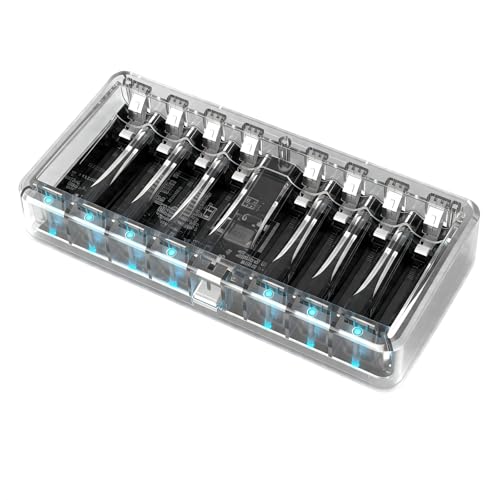
BEVIGOR 8-Bay AA AAA Smart Charger (Transparent)

BEVIGOR 16-Bay AA AAA Charger with Smart Charge

Eneloop Panasonic BQ-CC55KSBHA Advanced Pro Charger with AA AAA Cells

Eneloop Panasonic BQ-CC55KSBHA Advanced Pro Charger with High-Capacity AA AAA
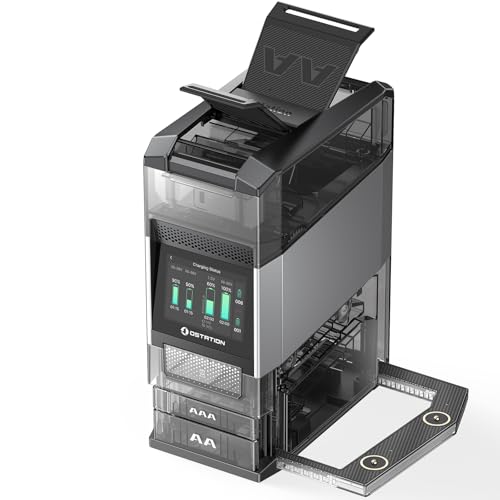
Ostation 2 Pro AA AAA Charging Station for NiMH and Lithium

Ostation 2 Smart AA AAA Charging Station with Polarity-Free Drop-In
More Details On Our Top Picks
Switching from disposables to rechargeables works best when the first kit arrives with everything you need to get going. This bundle ships eight AA cells and four AAA cells alongside a charger that turns a full bank around in roughly three hours, so the learning curve is basically zero.
It suits first-timers who want a known brand name and a charger that handles both common sizes without fuss. The eight-AA pack covers most living-room and bedroom devices for a household of three or four, and the included AAA cells are sized for slim remotes and small electronics.
What Makes Sense
- Twelve cells included, so you can start replacing batteries the same day
- Charges AA and AAA cells in the same unit, no adapter swaps needed
- Cells arrive pre-charged, ready to drop into a remote right away
- Compatible with NiMH chemistry, which is the standard rechargeable format for household gear
Things To Consider
- AA capacity sits at 2000mAh typical, lower than the pro cells in higher-end kits
- Charger housing feels light; owners commonly mention keeping it on a stable shelf
Quick Facts
Built With In Mind
Households making their first move from disposable batteries and wanting a complete kit in one box.
Reach For A Different Pick When
Power users with flashlights and game controllers will see longer runtimes from the Eneloop Panasonic BQ-CC55KSBHA Advanced Pro Charger with High-Capacity AA AAA bundle.
Compared to the previous kit, this pack trims the AA count to six but doubles the AAA count, which is a better shape for homes loaded with slim remotes, wireless mice, and small electronics. The charger is the same three-hour quick format, so the swap is essentially free.
It makes sense for people who already own AA cells and want a more balanced AAA-heavy inventory without buying a second charger. The included cells use the same chemistry as the eight-AA kit, so mixing the two banks across the household works without issue.
Strengths Worth Knowing
- Equal AA and AAA count keeps remote-heavy homes in good supply
- Same NiMH pre-charged format, so cells stay shelf-ready between uses
- Quick-charge turnaround, around three hours for a full set
- Single charger body fits both sizes without extra trays
Worth Noting
- Only six AA cells, so high-drain AA gear may need an extra pack
- Cell capacity matches the previous kit, not the higher-capacity pro line
Whose Shelf It Belongs On
Remote-heavy households and offices that want a balanced AA and AAA starting set.
A Better Fit Elsewhere
Buyers who need to charge more than eight cells at once will find the BEVIGOR 16-Bay AA AAA Charger with Smart Charge a more useful station.
Small charging jobs call for a small charger. This four-bay unit draws power through USB-C, the same cable that charges your phone and laptop, so it slips into a kitchen drawer or travel pouch without needing a wall wart.
That USB-C input makes it a thoughtful pick for apartments and dorm rooms where outlet space is tight. It also covers AA, AAA, C, and D cells in independent bays, so you can top off a single dead battery without waiting for a pair to charge together.
Key Advantages
- USB-C input uses the same cable many owners already carry
- Four independent slots let you charge mismatched cells without pairing
- Fault detection flashes a red LED on bad or non-rechargeable cells
- Small footprint fits a desk, kitchen counter, or carry-on bag
Trade Offs
- Only four bays, slower turnaround for households burning through many cells
- Batteries not included, so a starter pack from another line is needed
- USB-C cable and power block are separate considerations if you do not already own them
Who It Suits Best
Frequent travelers and minimalists who want a single charger that lives in a laptop bag or small drawer.
Skip It When
Families charging a dozen devices a week will benefit more from the BEVIGOR 8-Bay AA AAA Smart Charger.
When a household burns through cells faster than a four-bay charger can keep up, a station that holds two dozen cells at once changes the math entirely. This Ostation unit ships with twenty-four cells and acts as charger, tester, and storage drawer in one box.
It earns its spot for shared homes, hobby workshops, and anyone running multiple game controllers at once. The station format means you drop cells in, walk away, and pull out a tested, ready-to-use set later.
Real Benefits
- Holds up to 24 cells, so a full recharge cycle covers most households in one pass
- Tester function flags weak cells before they end up in a kid’s toy
- Acts as a storage organizer, replacing the junk drawer battery pile
- Designed for busy homes and professional setups that cycle many cells weekly
Room For Improvement
- Station body takes more counter space than a basic charger
- Premium format comes with a learning curve on the smart sorting features
Quick Facts
The Right Fit
Large households, hobby workshops, and gaming-heavy homes that move through dozens of cells a month.
Consider Something Else When
Small apartments with one remote and a mouse will be happier with the BEVIGOR 4-Bay AA AAA Charger with Type-C and Fault Detection.
Eight bays in a compact body makes this charger a sweet spot for most families. You can mix AA and AAA cells in any combination, and the transparent housing lets you see the status of each slot at a glance.
It appeals to shoppers who want capacity without the footprint of a full station, especially in a kitchen or home office where counter space matters.
Real-World Strengths
- Eight independent slots, no pairing required
- Transparent shell makes slot status easy to read
- Smart-trickle charging extends cell lifespan near full capacity
- Compatible with both NiMH and NiCD chemistries for older cells
Honest Caveats
- No cells included, so this works best paired with existing rechargeables
- Charging speed slows once multiple bays are filled
Made For
Mid-sized households ready to retire disposable cells and want a flexible eight-bay workhorse.
Look Elsewhere When
Offices charging more than a dozen cells a day should look at the BEVIGOR 16-Bay AA AAA Charger with Smart Charge.
Sixteen isolated circuits is the kind of spec that only matters once you have lived through charging bottlenecks. Every bay here runs on its own channel, so a single weak cell cannot slow down the rest of the batch.
It suits offices, classrooms, and home studios where devices are constantly rotating and a single bottleneck would shut down a workflow.
What Works In Its Favor
- Sixteen isolated channels prevent one cell from slowing the rest
- Smart chip switches to trickle charge near full, protecting cell health
- Red and green LED indicators give a clear status per bay
- Thermal protection monitors temperature across long sessions
Possible Compromises
- No batteries included, so a stockpile from another kit is needed
- Larger footprint than a basic four or eight-bay charger
- Overkill for households running only a few remotes and toys
Feature Snapshot
Who Should Grab It
Offices, classrooms, and content creators who treat rechargeables as a daily workflow.
Swap It Out When
Casual users with light charging needs will get all the capacity they need from the BEVIGOR 4-Bay AA AAA Charger.
The CC55 charger earns attention for owners who care about exact charge levels rather than simple red and green status lights. Each of its four bays carries a tri-color LED that estimates remaining capacity in three bands, so you know whether a cell is nearly full or barely started.
It fits well with hobbyist electronics, vintage game collections, and anyone who cycles the same set of cells through gear that benefits from full charges every time.
Notable Gains
- Four individual LEDs display charge status in three color bands
- Charges eneloop and eneloop pro cells together in the same bay
- Independent channels treat each cell on its own timing
- Cells included carry a long cycle rating for repeated recharging
Points To Keep In Mind
- Only four bays, smaller than the BEVIGOR stations on this list
- Capacity matches standard cells, not the higher-capacity pro cells in pick eight
Best Suited To
Hobbyists and tech enthusiasts who like monitoring charge levels and want a polished, well-known brand.
Another Choice May Suit
Heavy daily cycling households will get more throughput from the Ostation 2 Pro AA AAA Charging Station with 24 Batteries.
This version of the CC55 kit swaps the standard cells for the higher-capacity pro line. AA cells jump to 2500mAh typical, which translates into longer sessions between charges for high-drain devices like flashlights, camera triggers, and game controllers.
It targets power users who already own standard eneloop cells and want an upgrade path. The trade-off is a shorter overall cycle life on the pro cells, so they reward frequent use over long-term storage.
Well-Handled Touches
- Higher 2500mAh AA capacity extends runtime on demanding gear
- Four tri-color LEDs, same precise status readout as the standard kit
- Pro cells arrive pre-charged and ready to deploy
- Charges both eneloop and eneloop pro cells without separate bays
Where It May Fall Short
- Pro cells have a shorter cycle rating than standard eneloop cells
- Premium positioning means casual users may not notice the runtime gain
Technical Highlights
Perfect Match For
Photographers, flashlight enthusiasts, and serious gamers who run cells hard and want maximum capacity per charge.
Where A Sibling Pick Shines
Casual households who want maximum cycle life should pick the Eneloop Panasonic K-KJ55MC84CZ Power Pack instead.
Mixed chemistry households used to need two chargers. This Ostation station accepts both NiMH and 1.5V lithium rechargeables, which removes the drawer-full-of-chargers problem that comes with upgrading to modern lithium AA cells.
It works well for early adopters who have started swapping NiMH for lithium cells in high-drain devices, plus anyone who wants one station to handle every cell type in the house.
The Helpful Details
- Charges NiMH and lithium cells in the same station
- Thermal-adaptive charging adjusts to each chemistry
- Real-time monitoring keeps you posted on each cell
- Built for heavy users who cycle many cells per week
Points To Note
- Batteries are not included, so a stockpile is needed before first use
- Smart sorting features take a few cycles to learn
Who Will Love This
Owners moving from NiMH to lithium rechargeables and wanting one charger to handle both.
Not Your Match When
Sticker-focused shoppers will get the most value from the BEVIGOR 8-Bay AA AAA Smart Charger.
Polarity-free drop-in design removes the one friction point most people hit when they first switch to rechargeables. You can drop a cell in either direction and the station figures it out, which sounds small until you are loading sixteen cells at night.
It suits gaming rooms and smart-home setups where multiple controllers and remotes cycle in and out all week. The auto-detection also makes it a friendly upgrade path for older family members.
Good Reasons To Consider
- Polarity-free slots accept cells in either direction
- Auto-detection picks up cell type and condition
- Storage organizer mode keeps cells sorted between uses
- Designed for fast, hands-free top-ups during busy weeks
What To Weigh
- Cells sold separately, so a starter set is needed elsewhere
- Smart features rely on consistent firmware updates for best behavior
Quick Technical Notes
Right Fit For
Gaming rooms, smart homes, and busy families who want drop-and-go convenience without reading a manual first.
Where Another Pick Suits Better
Shoppers on a tighter budget will be happier with the BEVIGOR 8-Bay AA AAA Smart Charger.
Picking The Right Charger For Your Drawer
The most useful starting question is how many cells you actually cycle each month. A household running a handful of remotes and a mouse needs something very different from a family with four game controllers, a VR setup, and a wireless keyboard or two. Counting the real devices first saves you from buying a charger that is too small to keep up, or one so large it sits half-empty.
Chemistry matters as much as capacity. NiMH (nickel-metal hydride) is the standard rechargeable format for remotes, toys, and most household gear. Lithium 1.5V rechargeables are newer, hold voltage higher under load, and work better in high-drain devices like camera gear and flashlights. Some chargers only handle one chemistry, while stations like the Ostation 2 Pro accept both, which removes a future headache.
Independent channels are the third spec worth weighing. Chargers that monitor each cell separately, like the BEVIGOR 16-Bay and the Eneloop CC55, treat a weak cell as its own job rather than dragging down a paired cell. For mixed inventory, that single feature quietly saves you from throwing away good cells because a bad one was sitting next to them.
Finally, think about power input. Wall-outlet chargers are still the standard, but USB-C models like the BEVIGOR four-bay slot into laptop bags and travel setups without a wall wart. Stations with internal organizers add counter space to the cost, so weigh the convenience against the footprint before committing.
Key Considerations Across These Picks
Common Shopping Slip Ups
A frequent mistake is treating the included battery count as a headline feature without checking the cell capacity. A bundle with twelve low-capacity cells may run out faster than a smaller bundle of higher-capacity pro cells, especially in flashlights and game controllers. Always check the mAh rating, which measures how much energy each cell stores, alongside the count.
Another pitfall is choosing a charger that only handles one cell size. Households that start with AA quickly find AAA creeping in, and a charger that covers both from day one avoids the second purchase. Skipping chemistry compatibility is a related trap, particularly for buyers eyeing 1.5V lithium cells for high-drain devices.
Where The Extra Money Goes
Premium stations justify their higher cost with three features most basic chargers skip. The first is per-cell monitoring, which catches weak cells before they ruin a device. The second is thermal-adaptive charging, which slows down the rate as cells warm up to extend lifespan. The third is storage mode, which keeps cells at a healthy partial charge instead of letting them sit fully drained between uses.
For casual users, a four or eight-bay charger is plenty. For households burning through dozens of cells weekly, those three features pay back quickly in longer cell life and fewer surprises.
Frequently Asked Questions
Do rechargeable AA and AAA chargers really save money compared to disposables?
For most households, yes. A typical rechargeable cell pays for itself within a handful of charge cycles compared to buying fresh disposables, and cells rated for over a thousand cycles keep saving for years.
Can I mix AA and AAA cells in the same charger bay?
Most modern chargers listed here accept both sizes in independent slots, so you can load a mix without pairing. Always confirm the slot layout before mixing, since some older chargers require matched pairs.
How long does a full charge usually take?
Wall-outlet chargers in this list typically finish a full set in two to four hours. Stations with thermal-adaptive charging may run longer when loading many cells at once, which is a trade-off for longer cell lifespan.
Are 1.5V lithium rechargeables safe in standard NiMH chargers?
Only if the charger explicitly lists lithium compatibility, like the Ostation 2 Pro and Smart models in this list. NiMH-only chargers can damage lithium cells, so check the spec before dropping a lithium cell in.
How do I know when a rechargeable cell should be retired?
Chargers with tester functions, such as the Ostation stations, flag weak cells automatically. Owners commonly replace cells that no longer hold useful charge after a full cycle, which is usually a sign of end-of-life rather than a charger fault.
Closing Remarks
The right charger turns a disposable habit into a small, manageable routine. Match the bay count to your household’s real cycling pace, check chemistry support for any lithium cells you may add later, and lean toward independent channels when inventory gets messy. A few minutes of sizing up front saves years of drawer clutter and disposable waste.