A 9V battery that dies mid-winter or leaks inside a smoke alarm is the kind of small frustration nobody wants to deal with. Lithium and alkaline 9V cells each shine in different scenarios, and the right pick depends on whether you’re powering a guitar pedal, a backup detector, or a multimeter. This shortlist breaks down seven strong options across both chemistries, so you can match the battery to the device without overpaying for capacity you’ll never use.
How The Shortlist Stacks Up
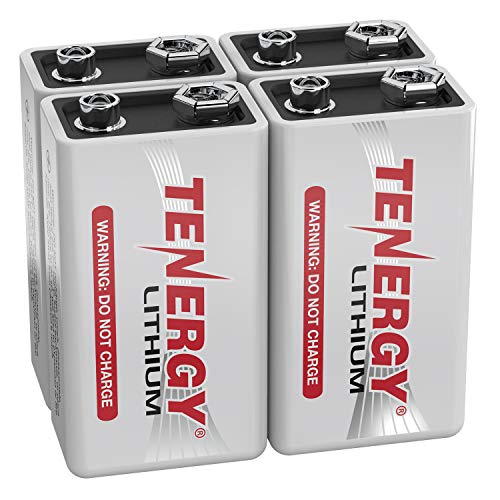
Tenergy 9V Lithium Batteries 1200mAh 4 Pack

Energizer MAX 9V Batteries (8 Pack)

Energizer MAX 9V Battery (1 Pack)

Energizer MAX 9V Batteries (2 Pack)

DURNERGY 9 Volt Batteries 24 Pack


DURNERGY 9V Batteries 12 Pack
Meet The Standout Selections
For a smoke detector that lives in a hallway and rarely gets touched, the Tenergy 9V Lithium 4 Pack is the set-and-forget kind of battery. Lithium chemistry (the same family used in primary cells that resist self-discharge better than standard alkaline) holds onto stored power far longer on a shelf, so you install them once and they quietly sit there through seasonal changes. The 1200mAh rating gives Tenergy more headroom than typical alkaline 9V cells, which matters when the alarm chirps at 3 a.m. because the last cell finally died.
Compared with the alkaline bulk packs that follow on this list, this Tenergy set is built for low-drain, always-on duties rather than high-current hobby gear. Owners commonly install these in ceiling-mounted detectors, carbon monoxide units, and backup sensors where replacement intervals stretch across years. You may find that only two of the four cells get used immediately, with the rest waiting in a drawer for next season.
Well-Handled Touches
- Long shelf stability keeps spare cells ready for years without meaningful power loss
- Lithium chemistry shrugs off cold basement temperatures better than standard alkaline
- Lightweight construction puts less stress on ceiling-mounted alarm clips
- Four-pack size covers a typical whole-home detector swap in a single buy
Worth Noting
- Higher per-cell cost than alkaline alternatives on this list
- Single-use only, so they aren’t a fit for any rechargeable 9V charger you may already own
Best Suited To
Homeowners setting up a fresh detector network or anyone tired of hearing low-battery chirps every few months.
Look Elsewhere When
The DURNERGY 9 Volt Batteries 24 Pack suits property managers stocking units across many apartments on a tight budget.
Energizer’s MAX line is the mainstream workhorse pick, and the 8-pack version covers most homes that run a mix of detectors, garage door openers, and remote-control gadgets. Alkaline chemistry (the everyday disposable type that powers everything from TV remotes to wall clocks) trades the long shelf life of lithium for a friendlier per-cell price, which matters when you’re buying in volume. The eight-cell count lines up with replacing multiple detectors plus keeping spares on hand for the next surprise dead battery.
Where the Tenergy lithium set targets the always-on ceiling alarm, this Energizer bundle handles a wider range of household tasks without overcommitting to one chemistry. You may find the cells last roughly a year in a smoke alarm and noticeably less in something like a multimeter that draws heavier current during use. The trade-off shows up in cold garages, where alkaline output dips more than the lithium option above.
A Strong Showing
- Eight-cell count fits households running several detectors and remotes
- Lower per-unit cost than lithium options, easing routine replacement
- Widely available format that fits standard 9V device bays
- Trusted brand recognition makes stocking up feel low-risk
Trade Offs
- Heavier than lithium cells, which can fatigue spring clips over time
- Shorter shelf life than the Tenergy lithium set, so spares lose charge sitting in a drawer
Made For
Families maintaining multiple 9V devices across the house who want a familiar alkaline option without paying a premium per cell.
Not Your Match When
The Tenergy 9V Lithium Batteries 1200mAh 4 Pack fits homeowners prioritizing decade-long shelf stability over bulk value.
Sometimes one cell is all you need, and the single-pack Energizer MAX fills that exact gap. Pulling one out of a multi-pack, losing the rest of a bulk order to a leaking cell, or simply owning a single 9V device makes this format the practical move. Alkaline chemistry here behaves the same as the 8-pack version, so performance expectations stay consistent if you’ve already used Energizer MAX cells before.
This option sits in contrast to the larger bundles elsewhere on the list by trading volume for flexibility. You may find yourself buying two or three singles over a year, which can quietly cost more per cell than the 8-pack. The honest read is that single packs make sense for one-off replacements and emergency stash additions, not for scheduled whole-home swaps.
What It Does Well
- Single-cell format avoids the waste of opening a multi-pack you don’t need yet
- Familiar alkaline performance across remotes, detectors, and small electronics
- Compact retail footprint fits easily in a junk drawer or toolbox
Points To Note
- Per-cell cost runs higher than the 8-pack Energizer MAX bundle
- Single-swap format means more frequent trips to restock if you run several 9V devices
Who Should Grab It
Anyone replacing a single depleted cell in a smoke alarm, remote, or wall device without committing to a full multi-pack.
Skip It When
The Energizer MAX 9V Batteries 8 Pack suits households replacing multiple cells at once and wanting better per-unit value.
The 2-pack version of Energizer MAX lands in a sweet spot between single-cell convenience and full bulk buying. A pair of cells is exactly what most homes need for a quick detector swap with one backup waiting in the drawer. The same alkaline chemistry carries over from the larger Energizer packs, so fit and performance inside your existing devices remain identical.
Compared with the Tenergy lithium set, this 2-pack trades shelf longevity for a much lower upfront cost, which matters for households that rotate through cells every year or two. You may find the value sharper than the single-pack version if you tend to buy two cells at a time anyway. Packaging on this listing may vary between production runs, which is mostly cosmetic but worth knowing before ordering.
Useful Strengths
- Practical pair count matches the typical detector-and-spare replacement pattern
- Lower per-cell cost than single-pack Energizer MAX purchases
- Standard alkaline chemistry works across detectors, meters, and remote gadgets
Minor Gripes
- Packaging may vary, so visual presentation between orders isn’t guaranteed
- Alkaline shelf life is shorter than the Tenergy lithium cells, so spares lose charge faster in storage
Perfect Match For
Small households replacing one or two 9V cells at a time without overspending on larger bulk packs.
A Better Fit Elsewhere
The Tenergy 9V Lithium Batteries 1200mAh 4 Pack fits homeowners wanting lithium shelf stability over alkaline value.
Twenty-four cells in a single shipment is more battery than most homes need, which is exactly why this DURNERGY pack exists. Property managers, landlords, schools, and workshop owners chew through 9V cells faster than the average household, and bulk alkaline packs bring per-cell pricing well below retail singles. The 6LR61 format (the IEC designation for standard rectangular 9V cells) drops into any device bay that accepts a typical alkaline 9V.
Where the Tenergy lithium set and the Energizer MAX line target individual households, this DURNERGY bulk pack runs as a working supply rather than a casual purchase. Owners commonly rotate cells across multiple detector swaps per quarter, keeping the remaining stock in a dry storage area. You may find that storing 24 cells in a humid basement invites occasional shelf-life loss compared with smaller, faster-moving bundles.
Noteworthy Benefits
- High unit count delivers the lowest per-cell cost on this entire list
- Standard 6LR61 alkaline format fits every common 9V device type
- Bulk supply suits multi-unit properties and maintenance routines
- Sealed cell construction resists leakage during typical storage periods
Honest Caveats
- Excess inventory for casual single-home use, with cells sitting longer than ideal
- Alkaline shelf life is shorter than the Tenergy lithium chemistry covered earlier
Built With In Mind
Property managers, building maintenance staff, and anyone rotating 9V cells across multiple locations on a recurring schedule.
Consider Something Else When
The DURNERGY 9V Batteries 8 Pack fits hobbyists and pedalboard owners wanting smaller mid-size stock.
Guitar pedals, wireless microphones, and standalone tuners all chew through 9V cells faster than a smoke alarm, and the DURNERGY 8-pack fits that use case neatly. Eight cells cover a small pedalboard plus spares for the inevitable mid-show swap, without the bulk commitment of the 24-pack option earlier in this list. The 6LR61 alkaline format matches the spec most pedals and stage gear expect from a standard 9V.
Compared with the Energizer MAX 8-pack that covers similar count, this DURNERGY option comes in at a noticeably lower per-cell price for buyers focused on gear turnover. You may find the runtime shorter than premium lithium cells under heavy current draws, which is normal for alkaline chemistry at this price point. Stage players commonly swap cells between sets or carry a fresh spare for each active pedal on the board.
Positive Points
- Mid-range pack size suits pedalboard owners and gigging musicians
- Lower per-cell cost than comparable branded alkaline bundles
- Standard rectangular form factor fits guitar pedals, mics, and tuners
- Sealed shell construction helps limit leakage during indoor storage
Points To Keep In Mind
- Alkaline output drops faster than lithium under heavy pedalboard current draws
- Per-cell cost runs higher than the larger DURNERGY 24-pack option for users who go through cells quickly
The Right Fit
Musicians and home recording hobbyists running a handful of pedals or wireless gear who want affordable alkaline cells on hand.
Reach For A Different Pick When
The DURNERGY 9V Batteries 24 Pack fits gigging musicians rotating cells weekly and wanting the lowest bulk cost.
A dozen cells splits the difference between the 8-pack and the 24-pack on this shortlist, and that middle ground works well for mixed-use households. A typical home running four smoke detectors, a carbon monoxide unit, and a couple of guitar pedals or remote gadgets can clear a 12-pack in under two years without rushing through them. The 6LR61 alkaline format is the same standard the other DURNERGY packs use, so device compatibility stays consistent.
Where the Tenergy lithium option favors the patient single-application buyer, this DURNERGY dozen-pack fits a household juggling multiple low-drain 9V devices without overcommitting to bulk. You may find the per-cell price slightly higher than the larger 24-pack, but the smaller footprint makes drawer storage more practical. The trade-off is paying a touch more per cell in exchange for better stock rotation.
Notable Gains
- Twelve-cell count fits a typical multi-device home rotation
- Standard 6LR61 alkaline form works across smoke alarms and hobby gear
- Better stock rotation than larger bulk packs for casual users
- Sealed shell construction limits leakage risk during indoor storage
Things To Consider
- Per-cell cost is higher than the DURNERGY 24-pack option
- Alkaline shelf life is shorter than the Tenergy lithium chemistry covered earlier
Whose Shelf It Belongs On
Mixed-use households balancing a few detectors with hobby electronics who want moderate stock without bulk-buy commitment.
Another Choice May Suit
The Tenergy 9V Lithium Batteries 1200mAh 4 Pack fits single-application buyers prioritizing decade-long shelf stability.
Picking The Right 9V For Your Setup
Chemistry and pack size do most of the work when choosing a 9V, but the device behind the cell matters more than people think. A ceiling-mounted smoke alarm draws a faint trickle over years, while a guitar pedal or wireless mic can drain a cell in a single long session. Matching the cell to the duty cycle saves money and cuts down on mid-show failures.
Choose By Chemistry First
Lithium 9V cells (represented on this list by the Tenergy 4-pack) hold their charge longer on a shelf, weigh less, and tolerate cold storage areas like garages or basements. Alkaline 9V cells (the Energizer MAX and DURNERGY options) cost less per unit and work fine for typical indoor detectors and most hobby electronics. For always-on safety devices, lithium pays for itself through fewer swap-outs.
Match Pack Size To Rotation Speed
Single packs make sense for emergency drawer stock, while 2-packs cover a routine detector replacement. Eight-packs fit musicians and households with several 9V devices, and 12 or 24-packs serve property managers and frequent users. Buying more than you can rotate in two to three years wastes the shelf-life advantage of any cell.
Storage Conditions Affect Real-World Life
Humid basements, hot attics, and freezing garages shorten the usable life of any 9V cell, including lithium. Storing spare cells in a climate-controlled closet at room temperature extends their shelf life noticeably. Mixing old and new cells in the same device can drag down the fresh cell faster than expected.
Key Considerations Across These Picks
Common Shopping Slip Ups
The biggest mistake is buying lithium for a device that doesn’t need it, or buying alkaline for a detector that’s hard to reach. Reaching for the cheapest alkaline pack when the device lives on a ceiling ten feet up just means another ladder trip next year. The other common trap is overbuying bulk packs and leaving cells in a hot garage, which quietly drains shelf life before you ever use them.
What The Higher Tier Buys
Lithium 9V cells cost more because they hold their charge longer, weigh less, and survive temperature swings that wear down alkaline chemistry. For ceiling alarms and outdoor sensors, that longer service life typically offsets the higher upfront cost over a five-year window. For pedalboards and remote controls that cycle cells quickly, alkaline value packs usually make more sense than paying a premium per lithium cell.