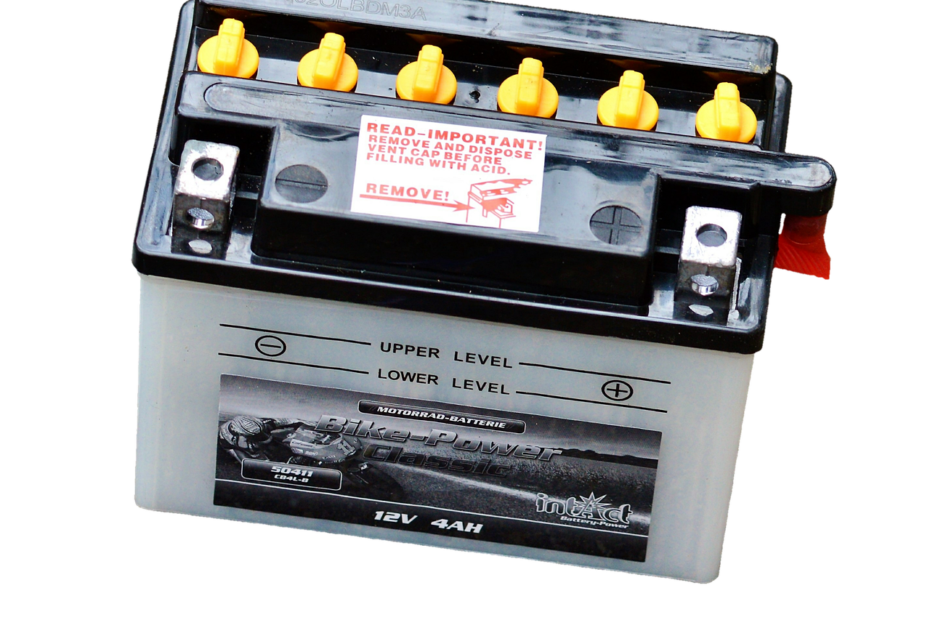
Inside a monitored pack, sensors and control circuits track, limit, and report condition, unlike a basic pack that simply delivers power. Both can hold the same watt-hours, yet a smart pack can give your laptop a 42-minute runtime estimate while a plain pack leaves the device to estimate remaining charge.
You will see how cell chemistry, battery management electronics, charging equipment, data signals, replacement rules, and cost affect your phone, tool, vehicle, or backup-power choice.
Battery Cells Store Energy While Electronics Add Control
Two packs can use the same lithium-ion cells and hold the same watt-hours, yet work very differently inside a device. The difference sits in the circuit board, sensors, wiring, and firmware around the cells rather than in a separate battery chemistry.
A smart battery combines cells with sensing, control, and data electronics. Your pack can track charge level, temperature, voltage, current flow, age, and fault status, then send that information to the host device.
Cell Chemistry Sets Watt-Hour Capacity
Lithium-ion formulation and pack layout determine total stored energy. A 10.8-volt laptop pack with six cells does not gain stored energy just because it contains a fuel gauge or microcontroller; you gain better visibility and tighter control over energy already inside the pack.
A regular battery mainly delivers electrical power through positive and negative terminals. Your device then estimates remaining charge from voltage behavior, which becomes less accurate under heavy loads, cold weather, or battery age.
External Data Separates Smart Packs From Protected Packs
A protected pack is not always a smart pack. Some lithium-ion battery packs contain a basic protection board that stops power during an unsafe event, yet your device receives no detailed battery-health data from that board.
The smart battery pack vs regular battery pack distinction becomes clear at the connector. Extra pins can carry SMBus, I2C, CAN bus, or a manufacturer-specific smart battery data bus beside the power terminals, allowing your equipment to identify the pack and read its status.
Data, Protection, and Communication Separate the Pack Types
That extra connector path changes what your device knows before voltage falls. Instead of estimating from one electrical clue, it receives measured values directly from the battery pack.
| Feature | Regular Battery or Basic Pack | Smart Battery Pack |
|---|---|---|
| Internal parts | Cells, terminals, and sometimes a simple fuse | Cells, sensors, microcontroller, protection switches, and firmware |
| Charge reporting | Host estimates charge from voltage | Pack reports state of charge and estimated runtime |
| Safety controls | Limited or external protection | Charge and discharge limits based on measured conditions |
| Communication | No data interface in most cases | SMBus, I2C, CAN bus, or a proprietary data bus |
| Service information | Little visibility into cell wear | Cycle count, temperature, faults, and state of health |
| Failure pattern | Cell wear or an open connection stops operation | Cells or electronics can stop operation |
| Common uses | Flashlights, remotes, and basic backup devices | Laptops, drones, power tools, mobility equipment, and medical gear |
Your phone percentage display is a familiar fuel-gauge example. A smart pack estimates state of charge from voltage, current, temperature, and past use, while a regular pack leaves your device to infer charge from terminal voltage alone.
Communication also lets equipment reject an unknown pack. A laptop can expect battery identity data over SMBus, while an electric-vehicle subsystem can exchange messages through CAN bus or SAE J1939. Matching voltage does not complete that electronic conversation.
Those exchanges let the management circuitry enforce limits using live measurements rather than voltage alone.
- Voltage data shows pack-level electrical pressure and can expose an abnormal cell group.
- Current data shows how hard your device pulls energy from the cells.
- Temperature data lets the pack halt charging during unsafe heat or cold.
- Fault flags tell your device why power stopped instead of leaving you with a blank failure.
- Runtime estimate uses recent load data to show how long your equipment can keep running.
The BMS Controls Cell Limits and Battery Status
The circuit board gathering those measurements is the battery management system, or BMS. A battery management system (BMS) watches the pack and allows energy movement only within limits set for the cells and connected equipment.
Protection Hardware Limits Electrical Stress
A BMS uses voltage taps to watch cell groups, a thermistor for thermal monitoring, and current sensing to track charge or discharge flow. Electronic switches, often MOSFETs, can disconnect the pack during a short circuit, overcharge attempt, deep discharge, or excessive current draw.
Your lithium-ion power-tool battery can contain that protection without rich data reporting. That is a basic BMS: it guards the cells, but it does not need to send your tool a cycle count or remaining-runtime estimate.
Smart BMS Electronics Send Battery Details
A smart BMS adds a microcontroller, firmware, and communication protocol. Your host device can receive state of charge (SoC), state of health (SoH), pack voltage, current, temperature, cycle count, fault status, and estimated runtime based on recent load.
State of health differs from state of charge. State of charge tells you how full the pack is today; state of health estimates usable capacity against its earlier condition. A pack at 100 percent charge can still have poor health.
Cell balancing is another BMS role in multi-cell packs. Small differences between cells grow with use, so balancing shifts or bleeds tiny amounts of energy to keep cell voltages close enough that one weak cell group does not end discharge too soon.
Measured Conditions Shape Runtime Accuracy and Service Life
A useful charge percentage needs more than a voltage snapshot. Cold temperatures raise internal resistance, high current causes voltage sag, and heat speeds chemical aging, so your battery needs measured conditions for a credible runtime estimate.
Temperature sensing allows charging limits that reduce cell stress. Current measurement also lets a pack stop a stalled drill motor or damaged cable from drawing far beyond the cells’ rated output.
Do not bypass a pack’s thermal lead, data pin, fuse, or protection board to force operation. Your device can lose temperature control, overcurrent protection, or its ability to shut down cleanly.
Cell Balancing Preserves Usable Pack Capacity
In a four-cell series pack, one cell group reaching its upper voltage limit too soon ends charging for the full pack. During discharge, one weaker group can reach its lower limit first and shut down the pack while stronger groups still hold energy.
Balancing reduces that voltage spread across repeated cycles. Your solar-storage pack or e-bike battery gets more usable energy from matched cell groups, though balancing cannot restore material lost through age, overheating, or deep discharge.
Electronics Work Within Physical Limits
Smart controls extend service life only through better behavior. Leaving a lithium-ion pack in a hot car, charging it with unsuitable equipment, or storing it empty for months still harms the cells beneath the electronics.
Use a reported fault state as evidence rather than treating it as a nuisance message. A repeated overtemperature warning points to airflow, load, charger, or pack-condition trouble that deserves attention before your next use.
Smart Batteries and Smart Chargers Handle Separate Jobs
Charge control can sit outside the battery rather than inside it. A smart charger controls incoming power, while a smart battery watches itself and can report what it sees to the device or charger.
| Equipment | Main Job | What Your Battery Must Do |
|---|---|---|
| Smart battery pack | Reports condition and enforces pack limits | Contains sensors, electronics, and data capability |
| Smart charger | Controls charge stages and detects charge completion | Accepts the charger voltage and current profile |
| Trickle charger | Supplies a low continuous charge | Relies heavily on correct voltage and supervision |
| Maintenance charger | Cycles or reduces output after a full charge | Matches battery chemistry and rated system voltage |
Smart battery charger vs trickle charger differences matter most with lead-acid vehicle batteries. A modern battery charger can begin with diagnosis, move through bulk and absorption stages, then enter maintenance mode or automatic cutoff after the battery reaches its target condition.
Battery Tender-style maintainers use that controlled approach, but your charger manual sets the connection rules. A quality unit can stay connected during its stated maintenance mode; a basic trickle charger can overcharge a lead-acid battery during a long unattended connection.
A smart charger does not turn a regular battery into a smart battery. Your charger can detect voltage response and reverse polarity, yet the battery still lacks its own fuel gauge, cycle record, and data bus.
Consequently, a replacement must satisfy the device’s electrical and communication expectations, not merely fit the charger.
Replacement Compatibility Depends on More Than Voltage
A replacement can fit the same compartment and still fail before startup. The missing detail is frequently a connector pin, identity signal, or charging rule rather than the voltage label.
- Match chemistry because lithium-ion, nickel-metal hydride, and lead-acid batteries need different charge limits.
- Match voltage because a 12-volt label does not confirm every series-cell arrangement.
- Check capacity range because your device can reject an unusually small or large pack.
- Inspect physical fit because case shape, latch position, terminal layout, and vent clearance affect installation.
- Verify current rating because a starter motor or power tool needs far more output than a low-drain sensor.
- Trace connector pins because power, temperature, data, and identification pins serve separate jobs.
- Confirm charger rules because your charging system can expect battery-specific feedback.
Your laptop, drone, cordless tool, medical device, or vehicle module can require a recognized communication protocol or authentication chip. Firmware can reject a pack lacking expected identity data even though its cells and terminals appear compatible.
Voltage matching is only one part of replacement safety. Do not substitute a regular pack for a data-equipped pack where the original system relies on thermal signals, telemetry, or protective control lines.
IEC 62133 sets safety expectations for portable rechargeable cells and packs, yet it does not make every connector interchangeable. Your device maker’s stated battery specification remains the practical reference for a working replacement.
Added Electronics Bring Diagnostics and Failure Points
A small controller can raise pack cost because it brings sensors, firmware work, balancing parts, communication hardware, fault analysis, and production checks. Smart battery cost and compatibility rise together in tightly controlled systems.
Your added expense buys usable evidence in a laptop, drone, solar-storage bank, mobility device, or medical instrument. Accurate runtime, controlled charging, and a fault record matter far more there than inside a simple wall clock.
Failure Consequences Set the Value
Consider a four-battery cordless-tool platform. A pack reporting temperature can stop charging after a hard day on a roof, where hot cells would otherwise receive more energy. That protection carries value because the tool draws high current and a work interruption has a real cost.
A remote control has no similar need for a data bus. Your regular alkaline cells remain sensible because the device draws little current, has no complex charger, and gives you a visible warning through weak operation.
Extra Electronics Add Extra Limits
Healthy cells can become unusable after a failed controller, damaged data line, corrupted firmware, or failed temperature sensor. Proprietary identification can also limit repair options, while standby electronics draw a small amount of energy during storage.
Battery management system explained in practical terms means the electronics improve control while becoming part of the failure path. Your repair decision should account for cell condition and board condition rather than blaming either part automatically.
Device Requirements Set the Better Battery Choice
Accurate runtime is worth paying for where an unexpected shutdown creates lost work, unsafe motion, spoiled data, or interrupted care. Smart packs suit equipment needing fault reporting, controlled charging, balancing, documented battery status, or high-current protection.
Your regular battery remains a sound choice in simple equipment with compatible chemistry, modest current demand, no data interface, and little value in detailed health information. Less circuitry means fewer electronic failure points and a lower entry cost.
Replacement Checks Reduce Installation Errors
- Identify the original by recording chemistry, nominal voltage, watt-hours, connector details, and label numbers.
- Inspect every pin for power, temperature, communication, identification, and charge-control functions before fitting another pack.
- Match output needs by checking continuous and peak current against your device motor or load demand.
- Follow charge rules by using equipment designed for your battery chemistry and stated voltage range.
- Retain protection functions because bypassed sensing or control lines can remove safeguards your device expects.
For a smart battery vs regular battery replacement, let the original system set the requirement. Your safer path is matching electrical ratings and data behavior rather than treating a familiar shape or matching voltage as proof of compatibility.
Final Takeaways
The cells store energy, but electronics decide how much your device knows about that energy and how tightly it is controlled. Choose smart capability where runtime accuracy, safety limits, and fault data affect your work or safety; choose a plain battery where the device needs compatible power and nothing more.
FAQ
What is a smart battery, and what makes it different from a regular battery?
A smart battery contains cells plus electronics that sense voltage, current, temperature, charge level, cycle count, and fault conditions. Your regular battery mainly supplies power through its terminals, leaving your device to estimate remaining energy from voltage and usage behavior.
Does a smart battery store more energy than a conventional battery?
Smart features do not automatically add watt-hour capacity. Your stored energy still depends on cell chemistry, cell count, and pack design, while the smart electronics add monitoring, protection, control, and communication.
What information can a smart battery report to a device or charger?
A smart battery can report state of charge, state of health, temperature, cycle count, current, voltage, fault status, and estimated runtime. Your device uses that data to show battery condition and respond to pack limits.
Do smart batteries require a special charger or specific equipment?
That needs charging equipment that matches its chemistry, voltage, current limits, and connector layout. Your equipment can also need a compatible data signal where the pack uses SMBus, I2C, CAN bus, or a proprietary communication line.
Are smart batteries safer than regular batteries?
Smart batteries can add thermal monitoring, overcharge protection, current limits, and fault reporting. Your safety still depends on correct charger settings, undamaged wiring, suitable cell chemistry, and keeping all protection parts connected.
Why do smart batteries cost more than standard batteries?
A typical monitored pack adds sensors, a microcontroller, firmware, communication hardware, protection switches, and diagnostic functions, raising its price. Your added cost can make sense where a failed pack affects work, mobility, stored data, or medical equipment.