A dead key fob in a freezing parking lot, a garage door that refuses to lift on a Monday morning, or a fish finder that dies mid-cast. These tiny 12 volt cells quietly run dozens of devices you lean on daily, and most people don’t think about them until they fail. This list sorts through the alkaline coin-style cells, garage backup packs, and larger LiFePO4 lithium units, so you spend less time hunting and more time using what matters.
The Shortlist At A Glance

Duracell 21/23 12V Specialty Alkaline Battery (4 Count Pack of 6)

Bvgokcell A23 23A 12 Volt Battery 10-Pack

HWE Energy 12V 5Ah Lithium Battery for Garage Door Opener

Energizer L1028 A23 Replacement Battery 2 Pack

HWE Energy 12V 9Ah Lithium Battery for UPS

LiCB A23 23A 12V Alkaline Battery 5-Pack

WattCycle 48V 100Ah LiFePO4 Rack Battery 5120Wh

WattCycle 50A 8AWG Extension Cable for EcoFlow

HWE Energy 12V 7Ah Lithium Battery for Security System
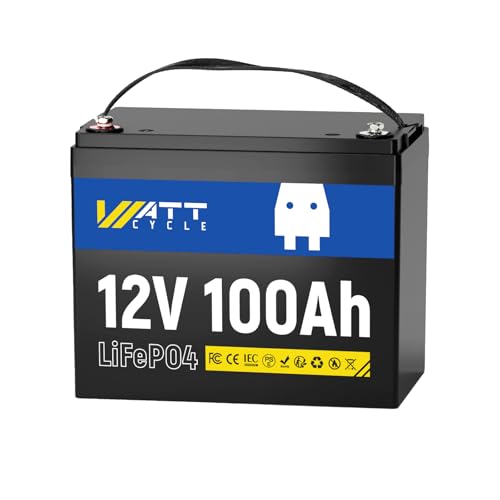
WattCycle 12V 100Ah LiFePO4 Battery Group 24
A Closer Look At Each Pick
Few household batteries show up in as many drawers as this Duracell 21/23 cell. It’s a flat, cylindrical alkaline designed for specialty electronics, and in most homes that means garage door remotes, car key fobs, and alarm panels. A 24-pack keeps spares handy for years of intermittent replacements.
Compared to the bulk Bvgokcell pack further down, this one leans on brand familiarity rather than quantity. You trade raw cell count for a name you can find at most retail counters when a coin cell dies at the worst moment.
Real Benefits
- Wide compatibility with garage remotes, car alarms, key fobs, and small security devices.
- Alkaline chemistry (a single-use chemistry that delivers steady voltage until depletion) means predictable behavior in low-drain electronics.
- Large 24-unit total count spreads cost across years of replacements.
- Backed by Duracell’s corrosion-resistant construction for stored spares.
Things To Consider
- Single-use design means dead cells head to recycling, not a charger.
- Specialty 21/23 form factor doesn’t interchange with common AA or AAA cells, so storage matters.
Who It Suits Best
Anyone running a small fleet of garage remotes and key fobs across multiple vehicles or properties.
Where Another Pick Suits Better
The Bvgokcell 10-pack offers a leaner cost per cell for shoppers who simply want the lowest outlay per replacement.
The Bvgokcell 10-pack keeps things simple: ten alkaline A23 cells in one box for the price-conscious household. Each one carries a 12V output (the small cylindrical format used in slim remote controls) and a stated 3-year shelf life, which matters if you buy in bulk and forget about them in a drawer.
Where Duracell’s pack courts trust, this one courts volume. For households with multiple garage remotes, doorbells, and car key fobs cycling through batteries every season, a 10-pack often outpaces a smaller two-cell offering.
Practical Pluses
- Ten cells per pack lowers the per-replacement cost noticeably.
- 3-year shelf life gives flexibility for slow-drain households.
- A23 format fits common garage remotes, car alarms, and doorbells.
- Plastic sealed packaging keeps cells fresh until needed.
Worth Noting
- Less recognized brand means fewer in-person retail backup options when a cell dies unexpectedly.
- Alkaline chemistry won’t tolerate deep discharge scenarios the way lithium alternatives might in active circuits.
Made For
Shoppers who burn through specialty coin-style cells across multiple family vehicles and want fewer reorders.
Consider Something Else When
The Duracell 21/23 pack suits those who prefer a familiar brand and want corrosion-resistant engineering in their stored spares.
This HWE Energy 12V 5Ah (amp-hour, a measure of how much current a battery can deliver over time) lithium battery targets garage door openers, especially Liftmaster and Chamberlain models that ship with a sealed lead-acid backup. The swap-in design replaces a heavy brick with roughly 1.6 lb of lithium iron phosphate chemistry (LiFePO4, a lithium variant prized for thermal stability and long cycle life).
Where the previous coin cells handle tiny remotes, this one keeps a multi-hundred-pound door moving during a power outage. It’s the kind of upgrade most homeowners ignore until the first storm knocks out the grid.
What Stands Out
- Weighs under 2 lb, less than half a comparable SLA (sealed lead-acid) unit.
- Maintenance-free, no liquid electrolyte to check or top up.
- Drop-in form factor for common Liftmaster and Chamberlain backup compartments.
- Long cycle life means fewer replacements over the opener’s lifetime.
Trade Offs
- Higher upfront cost than a generic SLA replacement.
- Requires a charger compatible with lithium chemistry; an old SLA charger can damage the cells.
Feature Snapshot
Right Fit For
Homeowners replacing an aging SLA backup in a Chamberlain or Liftmaster system who want fewer battery swaps over the decade.
Look Elsewhere When
Shed owners running smaller accessories should grab the WattCycle 12V 100Ah pack for broader deep-cycle capacity off-grid.
The Energizer L1028 is the household-name answer for specialty 12V electronics. Sold as a 2-pack, it fits the casual user who replaces one or two cells a year and values buying from a familiar shelf brand rather than chasing bulk savings.
Unlike the bigger 10-cell and 24-cell options above, this pack covers the basics without overstocking your junk drawer. It’s the right size for a single remote control replacement.
A Few Highlights
- Trusted Energizer branding for shoppers wary of no-name imports.
- Compact 2-pack fits easily in a kitchen drawer or glove box.
- A23/L1028 form factor covers keyless entry fobs and small remote devices.
Small Caveats
- Two-cell count means frequent reorders for multi-device households.
- Alkaline chemistry limits suitability for any high-drain application.
Best Suited To
One-device households that just need a single replacement and prefer a brand they already know.
A Better Fit Elsewhere
The Bvgokcell 10-pack wins on raw value when multiple devices share the same battery type.
The HWE Energy 12V 9Ah lithium battery bridges the gap between garage backups and full off-grid systems. It powers UPS (uninterruptible power supply) units, ride-on toys for kids, fish finders on small boats, and home security panels. The LiFePO4 chemistry promises thousands of deep cycles where a traditional SLA gives up after a few hundred.
Coming in lighter than its lead-acid equivalent, this pack suits anyone who moves batteries around, like a kayak angler hauling gear from the truck to the dock.
Points In Its Favor
- 9Ah capacity handles longer runtime demands than smaller 5Ah units.
- Multi-purpose compatibility across UPS, ride-on toys, and fish finders.
- Lightweight build simplifies transport for mobile applications.
- Long cycle count reduces total replacements over years of service.
Points To Keep In Mind
- Not a drop-in for every UPS: voltage curves differ from SLA and some legacy chargers refuse to top up lithium.
- Higher purchase price than generic SLA replacements, even though lifetime cost trends lower.
Who Will Love This
Mobile hobbyists running fish finders or children’s ride-on toys who want to skip the heavy SLA swap cycle.
Not Your Match When
Home backup builders needing much larger capacity should consider the WattCycle 48V rack battery instead.
LiCB focuses on affordable specialty cells, and this 5-pack of A23 23A batteries lands in the middle of the value spectrum. The cells are tested under stated quality standards and carry a 3-year shelf life from manufacture.
It fits between the single-replacement Energizer 2-pack and the bulk Bvgokcell 10-pack, useful when you need a few spares without committing to a 24-unit haul.
A Favorable Mix
- Mid-size 5-pack balances cost and spare count.
- Listed compatibility with garage openers, doorbells, and car alarm remotes.
- 3-year shelf life for casual storage in a closet or drawer.
A Few Limitations
- Alkaline cells may drain faster in cold outdoor locations than lithium equivalents.
- Brand recognition lags behind the bigger names above.
Perfect Match For
Casual households needing a small reserve for doorbells and remotes without paying for a large bulk pack.
Swap It Out When
Cold-climate shoppers running outdoor keypads should consider a lithium option like the Energizer L91 for harsher conditions.
This WattCycle rack battery operates in a different league than the coin cells earlier in the list. At 48V and 100Ah (a 5120Wh total, or watt-hours, the total energy a battery can deliver), it’s built for whole-home backup, off-grid solar, and commercial UPS applications. The unit scales up to 20 parallel modules for over 100kWh of storage.
Where the HWE Energy garage unit saves you during a short outage, this one keeps refrigerators cold and routers running for hours. It’s overkill for a key fob but right-sized for a panel-ready off-grid cabin.
Strong Points
- Massive 5120Wh capacity supports whole-home essential circuits.
- Modular design scales to 20 parallel units for custom storage setups.
- LiFePO4 chemistry delivers long service under daily cycling.
- Standard 48V form factor fits common solar inverter configurations.
Potential Drawbacks
- Substantial upfront investment compared to all-purpose 12V packs.
- Requires proper inverter and charge controller selection to operate safely.
Who Should Grab It
Off-grid homeowners and small business owners planning multi-day backup or solar self-consumption.
Skip It When
Light backup shoppers only needing garage-door reliability should grab the HWE Energy 5Ah unit instead.
The WattCycle 50A extension cable is accessory hardware rather than a battery, but it earns its place by connecting EcoFlow Delta 2 and Delta 3 portable stations to WattCycle’s larger rack battery for high-capacity charging and discharging. The 8AWG (American Wire Gauge, where lower numbers mean thicker wire and higher current capacity) cable handles up to 50 amps of bidirectional current.
Most shoppers won’t need this on its own, but owners building an expandable home power system with portable stations already on hand will appreciate the plug-and-play approach.
Useful Strengths
- Heavy-gauge 8AWG wiring supports 50A continuous current without voltage sag.
- Bidirectional design handles both charging and load output.
- Direct fit for EcoFlow Delta 2, Delta 3, and WAVE 3 ports.
- Eliminates the need for custom wiring when pairing systems.
Things To Weigh
- Niche use case limits appeal beyond existing EcoFlow owners.
- Cable length determines placement flexibility: shorter runs mean stations sit closer to the rack battery.
Built With In Mind
EcoFlow portable station owners expanding into fixed battery storage with the WattCycle rack system.
Another Choice May Suit
Anyone without an EcoFlow station should jump straight to the WattCycle 12V 100Ah battery for simpler standalone storage.
Home alarm panels like ADT systems traditionally rely on a 12V 7Ah SLA brick tucked inside the control box. HWE Energy’s lithium replacement fits the same footprint but cuts weight and stretches service life. For most homeowners, the swap takes a few minutes with a screwdriver.
Compared to the larger 9Ah sibling reviewed earlier, this 7Ah model targets tighter compartments where space matters more than extra capacity.
The Upside
- Direct SLA 1270 replacement for common home alarm panels.
- Lighter than lead-acid for wall-mounted control boxes.
- Long cycle count for security systems drawing standby current for years.
- Maintenance-free operation with no electrolyte to monitor.
Practical Considerations
- Older alarm panels may have chargers that need reconfiguring for lithium chemistry.
- Lower capacity than the 9Ah HWE unit, limiting runtime during extended outages.
Whose Shelf It Belongs On
Homeowners with ADT or similar alarm panels wanting a no-fuss lithium upgrade over the original SLA brick.
Reach For A Different Pick When
Off-grid power users should step up to the WattCycle 12V 100Ah battery for real deep-cycle work.
The WattCycle 12V 100Ah LiFePO4 is the deep-cycle workhorse of this roundup. Built to the BCI Group 24 size standard (a common automotive battery footprint defined by the Battery Council International for easy drop-in replacement), it slides into RV battery boxes, marine compartments, and solar sheds without custom mounting work.
At roughly 23 lb, it cuts the weight of a comparable lead-acid battery by more than half, a meaningful difference for a camper hauling gear up a boat ramp.
Key Advantages
- 100Ah capacity supports multi-day off-grid loads.
- BCI Group 24 form factor fits standard marine and RV battery trays.
- High cycle count for daily solar charging.
- Compact dimensions ease installation in tight compartments.
Where It May Fall Short
- Higher upfront price than flooded lead-acid alternatives.
- Charging system must support lithium profiles for full performance.
Right Fit For
RV owners, van lifers, and off-grid cabin builders running solar setups that need daily deep cycling.
Where Another Pick Suits Better
Whole-home backup builders should consider the WattCycle 48V rack unit for higher-voltage inverter compatibility.
Matching 12 Volt Battery To Your Real Setup
Choosing the right 12 volt battery starts with the device it’s powering. Specialty electronics like key fobs, garage remotes, and doorbells run on small alkaline coin-style cells such as the A23 or 21/23 format. These single-use chemistries deliver steady voltage in low-drain circuits and last years on a shelf. Bulk packs from Duracell, Bvgokcell, Energizer, and LiCB cover this category well, and shoppers should match pack size to how many devices share the same battery type in their home.
Backup power systems shift the conversation to rechargeable lithium. Garage door openers, alarm panels, and UPS units traditionally rely on sealed lead-acid bricks, but LiFePO4 replacements like the HWE Energy 5Ah, 7Ah, and 9Ah units last far longer and weigh less. The catch is charger compatibility: older charging circuits designed for SLA may need reconfiguration to safely top up lithium cells.
For deeper cycling demands, RV, marine, and off-grid users want 100Ah or larger LiFePO4 packs in standard footprints. The WattCycle 12V 100Ah Group 24 fits common battery trays, while the 48V rack battery handles whole-home backup when paired with a compatible inverter. Match battery voltage to your inverter, and confirm the charger profile supports lithium before swapping.
Smart Spending Across The Category
Common Buying Slip Ups
Buying specialty cells by brand familiarity alone can leave you overstocked. A 24-pack of Duracell 21/23 cells makes sense for multi-device households but wastes money for a single remote. Match the pack count to your actual replacement rate rather than chasing the cheapest unit cost.
Another trap is mixing chemistries in the same charging system. Lithium and lead-acid batteries charge on different voltage curves. Installing a lithium upgrade without verifying charger compatibility can shorten cell life or damage the charging circuit entirely.
What The Higher Tier Buys
Higher-tier lithium batteries earn their price through cycle life, not raw capacity. A premium LiFePO4 cell delivers thousands of deep cycles where an SLA battery gives up after a few hundred, and the total cost over a decade often trends lower despite the larger upfront number. For daily-cycling applications like solar storage or RV house banks, the upgrade pays back through fewer replacements and lighter transport weight.
Frequently Asked Questions
What is the difference between alkaline and lithium 12 volt battery options?
Alkaline cells are single-use, lower cost, and suited to low-drain specialty devices like remotes. Lithium batteries are rechargeable, longer lasting, and built for higher-drain applications like garage backups and solar storage.
Can a lithium battery replace a lead-acid battery in my garage door opener?
In many cases, yes. Liftmaster and Chamberlain openers that ship with SLA backups often accept LiFePO4 replacements of the same voltage, but the charging circuit must support lithium profiles.
How long do specialty 12 volt batteries last in storage?
Most alkaline coin-style cells carry a 3-year shelf life when stored in a cool, dry place. Lithium chemistries typically hold their charge much longer in storage without significant capacity loss.
What size battery do I need for an RV or marine setup?
A 100Ah LiFePO4 battery in a standard BCI Group 24 footprint covers most weekend RV and marine needs. Larger banks or whole-home backup call for higher-capacity rack systems with inverter compatibility.
Are bulk battery packs worth it for occasional use?
Bulk packs save money per cell for multi-device households. For one or two devices, a smaller 2 or 5-pack avoids storing cells past their shelf life.
Closing Thoughts
The right 12 volt battery depends almost entirely on the device asking for power. Specialty coin-style cells keep remotes and fobs alive for years, while LiFePO4 packs turn garage backups and RV setups into long-term, low-maintenance systems. Match chemistry to use case, confirm charger compatibility before swapping, and size your pack to how often you actually replace cells. That approach beats chasing the cheapest option every time.