Hearing aids are only as reliable as the battery inside them, and for many wearers the size 312 cell is the workhorse that keeps conversations flowing from morning coffee to evening TV. The right pack keeps your devices humming through long meetings, busy commutes, and quiet Sunday mornings without the dreaded mid-sentence cutoff. Below are nine options worth knowing, ranging from classic brown-tab packs to rechargeable kits, so you can match the format to how and where you actually use your hearing aids.
A Fast Comparison Of The Options

PHILIPS Size 675 Hearing Aid Batteries, 60 Count

PHILIPS Size 312 Hearing Aid Batteries, 24 Pack

Hearing Aid Batteries Size 312, Mercury Free
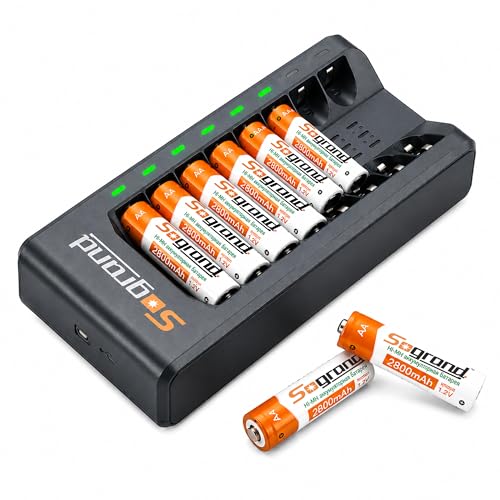
NimH AAA and AA Rechargeable Batteries with Charger

Rayovac Extra Advanced Zinc Air Hearing Aid Battery Size 312

PHILIPS Size 13 Hearing Aid Batteries, 60 Pack

Energizer Size 312 Hearing Aid Batteries, EZ Turn & Lock, 24 Count

PHILIPS Size 10 Hearing Aid Batteries, 60 Count

Duracell Hearing Aid Batteries Brown Size 312, 32 Count
A Closer Look At Each Pick
PHILIPS enters the roundup with the heaviest-duty cell of the group, the size 675, built for the most power-hungry hearing aids on the market. These blue-tab zinc-air batteries are what audiologists typically reach for when fitting severe-to-profound loss devices and cochlear implant processors, because they handle the higher current draw without flinching.
A 60-cell carton lasts most heavy users several months, which means fewer reorder trips and a steadier supply on the nightstand. The trade-off is that this is the wrong pick for the more common size 312 models, so you will only consider this if your device’s battery door matches the size 675 spec printed inside.
A Favorable Mix
- Stable 1.45V output supports demanding hearing aids and streaming use
- Bulk 60-count format suits high-consumption wearers
- Zinc-air chemistry activates only when the tab is pulled, preserving shelf life
- Compatible cross-reference markings (A675, PR44) simplify reordering
Things To Consider
- This is the wrong size for the brown-tab size 312 devices most wearers use
- High-capacity cells tend to cost more per cell than smaller sizes
Key Specs
Built With In Mind
Severe-to-profound hearing loss wearers running size 675 behind-the-ear devices or cochlear implant processors.
Look Elsewhere When
Your hearing aid uses the more common brown-tab size 312, in which case the PHILIPS Size 312 Hearing Aid Batteries 24 Pack is the right fit.
The size 312 brown-tab cell is the format most wearers reach for, and the PHILIPS 24-pack delivers it in a tidy starter quantity. Where the larger size 675 pack above is designed for power-hungry processors, this 24-count focuses on the common in-canal and receiver-in-canal devices that dominate the market.
Owners typically find the smaller carton easier to store in a medicine cabinet or travel pouch than the 60-cell bulk options. Once you confirm your hearing aid’s door is stamped 312, this becomes a dependable refill rather than a complicated purchase.
Reasons It Performs
- Matches the most common hearing aid format on the market
- Compact 24-count fits neatly in a drawer or travel case
- Stable voltage curve helps avoid mid-conversation dropouts
- Cross-reference labels (A312, PR41) make it easy to find in a pinch
Worth Noting
- Smaller pack means reordering more often than 60-cell options
- Tab-pull activation means waiting a minute after peeling for full voltage
Who Should Grab It
First-time size 312 wearers who want a manageable starter pack without committing to a 60-cell bulk supply.
Consider Something Else When
You burn through batteries quickly and want fewer reorders, in which case the Rayovac Extra Advanced Zinc Air Hearing Aid Battery Size 312 60-count is the longer-running option.
Sogrand’s size 312 entry focuses on the worry that catches out a lot of first-time wearers: leaking. The mercury-free, leak-resistant design aims to protect the small contacts inside your hearing aid from corrosion, especially when a forgotten cell sits in the device during a humid summer or a long vacation.
It competes directly with the PHILIPS Size 312 24-pack above on format but carves out a niche for shoppers prioritizing battery safety. Depending on how often you swap cells, the slightly tighter leak tolerance can be a meaningful upgrade.
What Stands Out
- Mercury-free chemistry aligns with modern environmental standards
- Leak-resistant construction reduces risk of contact corrosion
- Brown-tab size 312 fits the most popular hearing aids
Points To Note
- Newer brand presence means less long-term track record than legacy names
- Pack sizing information is limited in the source data
Right Fit For
Wearers in humid climates or anyone who has had a battery leak and ruined a hearing aid contact before.
Skip It When
You prefer a brand with a longer retail history, in which case the Duracell Hearing Aid Batteries Brown Size 312 32-count offers similar ease-of-use features with broader name recognition.
Sogrand’s rechargeable kit is the outlier of this roundup because it does not target hearing aids at all. The 16-pack of NiMH AA and AAA cells plus a charger is built for remotes, flashlights, toys, and wireless accessories around the home.
It earns its place for shoppers who want to standardize one rechargeable system across the household rather than keep buying coin cells. For hearing aids, you would still pair it with one of the size 312 packs above, since zinc-air coin cells remain the standard chemistry for most hearing devices.
Notable Upsides
- AA and AAA combo covers most household battery sizes
- Rechargeable NiMH chemistry reduces disposable waste over time
- Includes a charger so you can start cycling cells immediately
Honest Caveats
- These cells do not fit hearing aids, which use coin-style zinc-air batteries
- Self-discharge means keeping charged spares on hand for occasional devices
Feature Snapshot
Whose Shelf It Belongs On
Anyone building a whole-house rechargeable battery system for remotes, toys, and electronics alongside hearing aid cells.
A Better Fit Elsewhere
You wear hearing aids exclusively and never reach for AA or AAA cells, in which case the Rayovac Extra Advanced Zinc Air Hearing Aid Battery Size 312 60-pack is a more focused pick.
Rayovac is one of the three legacy brands that audiologists have trusted for decades, and the Extra Advanced line is its flagship for everyday wear. The 60-cell frustration-free pack is designed to outlast the smaller PHILIPS 24-pack above by more than two times the cell count, which makes it the bulk-supply option for serious daily wearers.
The mercury-free chemistry meets modern environmental standards while preserving the high energy density Rayovac built its name on. Owners commonly report the brown-tab cells fit standard dispensers, and the larger pack reduces how often you have to remember to reorder.
Key Advantages
- 60-cell bulk pack minimizes reordering for heavy users
- High energy density supports full daily runtime including streaming
- Mercury-free formulation aligns with current industry standards
- Long-running legacy brand familiar to most audiologists
Small Caveats
- Bulk packaging takes more drawer space than 24-count options
- Zinc-air cells need a brief wait after the tab is pulled for full voltage
Feature Rundown
Best Suited To
Heavy daily hearing aid wearers who stream audio often and prefer to buy in bulk rather than reorder monthly.
Another Choice May Suit
You have arthritis or dexterity challenges and need the extra-long EasyTab, where the Duracell Hearing Aid Batteries Brown Size 312 32-count is a friendlier design.
Size 13 orange-tab cells slot into a different family of behind-the-ear hearing aids than the size 312 models above. PHILIPS offers this format in a 60-count bulk supply, pairing the larger pack with the slightly higher capacity cell most BTE wearers need.
This entry exists mainly as a heads-up for shoppers who may have confused their battery size. If your hearing aid’s battery door is stamped 13 or PR48, this is the matching PHILIPS pick rather than the size 312 options earlier in the list.
Well-Handled Touches
- Bulk 60-cell format suits high-consumption BTE wearers
- Stable voltage output helps avoid mid-day dropouts
- Cross-reference labels (A13, PR48) simplify reorder searches
Points To Keep In Mind
- Wrong size for the brown-tab 312 devices most wearers use
- Larger cells may not fit in-canal or completely-in-canal models
Made For
Behind-the-ear hearing aid wearers whose devices use the size 13 orange-tab format.
Not Your Match When
Your hearing aid takes brown-tab size 312 cells, in which case the PHILIPS Size 312 Hearing Aid Batteries 24 Pack or the Rayovac Extra Advanced 60-pack are the correct choices.
Energizer leans into the packaging rather than the chemistry with the EZ Turn & Lock dial dispenser. A double-sided rotating dial keeps unused cells sealed until you need them, which protects the zinc-air tabs from accidental activation when a battery tumbles around in a drawer or suitcase.
Owners commonly find this design easier to manage than the frustration-free blister cards on the Rayovac and PHILIPS options above, especially when swapping cells in low light or with limited hand strength.
Where It Delivers
- Locking dial protects unused cells from humidity exposure
- Designed for long wireless streaming sessions
- Compact 24-count fits a nightstand or carry-on
- Trusted legacy brand with wide retail availability
Trade Offs
- Dispenser mechanism adds slight bulk vs. simple blister cards
- 24-cell count means more frequent reorders than 60-pack options
Feature Card
Who Will Love This
Wearers with arthritis or tremor who struggle with traditional blister packaging and prefer a rotating dispenser.
Reach For A Different Pick When
You want the longest possible supply per purchase, in which case the Rayovac Extra Advanced Zinc Air Hearing Aid Battery Size 312 60-pack is the larger-cell-count alternative.
The yellow-tab size 10 is the smallest coin cell in the standard hearing aid family, used in the most discreet in-ear devices where the size 312 cell above would be too large to fit. PHILIPS offers it here in a 60-cell bulk format, mirroring the size 13 and size 675 siblings in this roundup.
This pick earns its slot for shoppers whose hearing aids use the size 10 cell rather than size 312, and it is worth flagging because the yellow tab is easy to confuse with the brown size 312 if you have not double-checked your device’s battery door.
The Value In It
- Bulk 60-cell format reduces reorders for the smallest-cell wearers
- Stable 1.45V output for tiny IIC and CIC devices
- Cross-reference labels (A10, PR70) match standard industry naming
Practical Considerations
- Yellow-tab size 10 will not fit the brown-tab size 312 devices
- Tiny cells can be harder to handle for users with reduced dexterity
Perfect Match For
Wearers of invisible-in-canal or completely-in-canal hearing aids that require the size 10 yellow-tab cell.
Swap It Out When
Your hearing aid uses the brown-tab size 312 cell, where the PHILIPS Size 312 24 Pack or Rayovac Extra Advanced 60-pack are the correct fit.
Duracell’s size 312 pack centers on the same usability problem the Energizer dispenser addresses above, but it solves it on the cell itself. The extra-long EasyTab gives you more material to grip when peeling and placing the tiny coin cell into a hearing aid, which is the Arthritis Foundation’s Ease of Use consideration that matters most for senior wearers and anyone with reduced finger dexterity.
The 32-cell pack lands between the 24-count starter options and the 60-count bulk supplies, which is a sweet spot for first-time wearers still learning their weekly consumption rate.
Everyday Advantages
- Extra-long EasyTab simplifies handling for arthritis or tremor
- 32-cell pack is a balanced size between starter and bulk
- Color-coded brown tab matches standard size 312 designation
- Lightweight packaging opens with minimal frustration
Less Ideal Details
- Not a 60-cell bulk pack, so heavy users will reorder monthly
- Tab design adds a small amount of packaging waste vs. plain cells
Spec Overview
Who It Suits Best
First-time wearers, seniors, and anyone with arthritis or reduced dexterity who struggles with standard short-tab cells.
Where A Sibling Pick Shines
You want a 60-cell bulk supply and do not need the long tab, where the Rayovac Extra Advanced Zinc Air Hearing Aid Battery Size 312 is the higher-count alternative.
What To Weigh Before Choosing Size 312 Hearing Aid Batteries
Battery Size And Device Compatibility
Hearing aids use a small set of standard cell sizes, color-coded by the IEC (International Electrotechnical Commission) so you can tell them apart at a glance. Size 312 is the brown tab, size 13 is orange, size 10 is yellow, and size 675 is blue. Always check the stamp inside your hearing aid’s battery door before reordering, because the four sizes are not interchangeable, even though they all share the same zinc-air chemistry and roughly the same voltage.
Chemistry, Voltage, And Shelf Life
Modern hearing aid cells are almost universally zinc-air, a chemistry that stays inert until you peel off the sealing tab and oxygen enters the cell. Once activated, the battery delivers a stable voltage (around 1.45V) for its useful life, then drops off relatively quickly. This is why a hearing aid can seem fine one moment and dead the next, and why carrying a spare is wise. Unused cells keep for years in their sealed packaging, so buying a 60-cell bulk pack is rarely wasteful.
Pack Size And Reordering Cadence
A size 312 cell typically lasts 3 to 7 days depending on your device’s drain and whether you stream audio. Light wearers do fine with a 24-count every few months, while heavy streamers often prefer the Rayovac Extra Advanced 60-pack so they reorder less often. If you travel, smaller 24 or 32-count packs slip into a carry-on more easily than bulk cartons.
Handling Features And Dexterity
For anyone with arthritis, tremor, or simply aging fingers, the tab length and packaging matter as much as the cell chemistry. The Duracell EasyTab design and the Energizer EZ Turn & Lock dispenser are the two clearest accessibility-focused options in this roundup. Both reduce the frustration of fumbling with tiny coin cells in low light.
What Separates Premium From Basic In This Category
Common Buying Mistakes To Sidestep
The most common slip is buying the wrong cell size because brown, yellow, and orange tabs look similar in low light or on a phone screen. Always confirm the number stamped on your battery door before checking out. Another trap is assuming higher price tags equal longer life, since chemistry is largely standardized across the major brands. Where premium options earn their place is in pack format, dispenser design, and consistency between cells, not raw voltage.
Where The Extra Money Goes In Higher-Tier Packs
Spending more on a 60-cell bulk pack or a dispenser-equipped 24-pack typically buys you two things: fewer reorders and better handling. The Rayovac Extra Advanced and the PHILIPS 60-count bulk options both reduce how often you shop, while the Energizer and Duracell packs spend the premium on tab length or rotating dispensers that make daily swaps less fiddly. None of these change the chemistry, but they make ownership noticeably smoother.
Frequently Asked Questions
How long does a size 312 hearing aid battery typically last?
Most wearers get 3 to 7 days from a single size 312 cell, with heavy streaming users on the shorter end and occasional-use wearers on the longer end.
Can I use size 13 or size 675 batteries in a size 312 hearing aid?
No, the four sizes are physically different dimensions and voltage profiles, so swapping sizes will not fit the battery door and can damage the contacts.
Do I need to let a zinc-air battery sit after pulling the tab?
Yes, waiting about a minute after peeling the seal lets air activate the cell fully, which gives you stronger initial performance.
Are mercury-free hearing aid batteries as good as older formulations?
Modern mercury-free zinc-air cells deliver equivalent runtime to legacy chemistries for nearly all wearers, while removing the environmental hazard of older designs.
How should I store spare hearing aid batteries?
Keep them at room temperature in their original sealed packaging, away from humidity and metal objects like keys or coins that can short the contacts.
Closing Remarks
The best size 312 battery for your routine depends less on chemistry than on how you handle the cells and how often you want to reorder. Light daily users get along fine with the PHILIPS 24-pack or the Duracell 32-count, while heavy streamers and multi-device households will appreciate the Rayovac Extra Advanced 60-pack. Match the tab color to your device door, choose a pack size that fits your storage space, and you will spend less time thinking about batteries and more time hearing the conversation.