A flat battery in a smart sensor or a driveway meter rarely announces itself before it fails. The trick is matching the right lithium chemistry to the device it actually powers, since a high-output photo cell behaves nothing like a long-life low-drain industrial cell. This guide sorts through CR123A, LS14250, and ER18505 options so the swap-in fits cleanly and the next swap happens years from now.
The Leading Options At A Glance
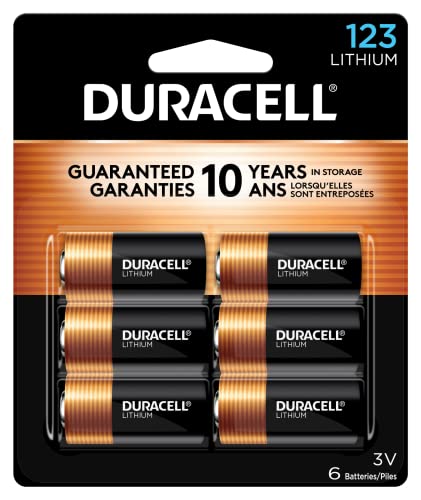
Duracell CR123A 3V Lithium Battery 6-Pack

Energizer 123 Lithium Batteries 6-Pack

Energizer 123 Lithium Photo Battery 6-Pack

Quzmo 8-Pack LS14250 3.6V 1/2AA Battery

Quzmo 2-Pack LS14250 3.6V 1/2AA Battery

Quzmo 4-Pack LS14250 3.6V 1/2AA Battery

EEMB ER18505 3.6V A Size Single Battery

EEMB ER18505 3.6V A Size Battery 4-Pack

EEMB ER18505 3.6V A Size Battery 10-Pack

EEMB 6-Pack ER18505 3.6V A Size Battery
The Strengths Of Each Pick
The Duracell CR123A is the classic workhorse for high-drain 3V gear, and this 6-pack lands in the drawer right when a tactical flashlight, home security sensor, or older digital camera starts fading. Compared with the Energizer 123 covered below, the chemistry here skews toward peak output rather than long shelf life, which matters when a strobe or photo burst demands instant energy.
Most owners keep a pack in a toolbox for the occasional battery swap, and the 10-year storage claim means buying a set in winter still leaves useful cells in 2035. For a homeowner running mixed 3V devices, this is a sensible default.
Notable Gains
- 6-count pack covers a household of mixed CR123A devices without constant reordering.
- High-power output suits strobes, tactical lights, and burst-mode photography.
- 10-year storage lets you stash spares in an emergency kit or camera bag.
- Duracell brand recognition reduces the guesswork when matching replacements.
Things To Consider
- Not rechargeable, so heavy users go through packs quickly and the spend adds up.
- Oversized for low-drain meters that prefer a 1/2AA industrial cell.
Who It Suits Best
Homeowners and outdoor enthusiasts running tactical flashlights, security cameras, or entry-level digital cameras that depend on reliable 3V bursts.
Where Another Pick Suits Better
Replacing a utility meter battery points you toward the Quzmo 4-Pack LS14250 3.6V 1/2AA Battery, which fits a 1/2AA holder rather than a CR123A slot.
Energizer’s 123 lithium 6-pack leans toward photo and smart-home duty, where steady voltage beats raw punch. The chemistry sits comfortably inside motion sensors, wireless doorbells, and compact cameras that draw moderate current over long stretches.
The cross-reference list (5018LC, CR123, CR123A, CR17345, EL123) covers most legacy callouts, which is a relief when a device manual lists an obscure part number. For shoppers who want one SKU that handles both photo gear and home automation, this is a calm middle-ground pick.
Benefits That Matter
- 10-year shelf life suits backup storage in a closet drawer or vehicle.
- Broad device compatibility through multiple equivalent part codes.
- Reliable output for smart-home sensors that pulse repeatedly.
- Energizer availability tends to outlast smaller battery brands.
Points To Keep In Mind
- Single-use chemistry, so any drained cell goes straight to recycling.
- Packaging contains a fixed 6-count that may be more than a casual user needs.
Quick Facts
Made For
Smart-home owners and casual photographers who rotate cells across several small electronics and prefer one trustworthy brand for the drawer.
Consider Something Else When
Tactical flashlight enthusiasts chasing maximum peak output will prefer the Duracell CR123A 3V Lithium Battery 6-Pack, which is tuned for higher bursts.
The “photo” label here is no marketing filler, since Energizer tuned this 123 cell to keep digital cameras alive through long shoots and bracketed exposures. The 10-year shelf life also lets hobbyists stock a few packs ahead of a trip without worrying about partial discharge.
Where the standard Energizer 123 leans toward smart-home use, this version tilts back toward camera bodies and external flashes. For someone rebuilding a camera bag, the chemistry profile is closer to a precision tool than a generic coin-cell substitute.
Everyday Wins
- Engineered for camera bursts where steady voltage prevents shutter lag.
- 10-year storage allows bulk purchasing ahead of a season’s worth of trips.
- 6-count format suits families sharing one camera kit.
- Works across both vintage film bodies and modern digital electronics.
Honest Caveats
- More expensive per cell than commodity CR123A options from lesser-known brands.
- Single-use only, which doesn’t suit repeat-flash wedding photographers.
Best Suited To
Photography hobbyists and occasional event shooters who need a low-fuss 3V cell that survives storage between rare but intense camera outings.
Not Your Match When
Industrial users replacing utility meters should reach for the Quzmo 2-Pack LS14250 3.6V 1/2AA Battery instead, since the form factor and voltage differ.
Step away from the photo world and into the basement. The Quzmo 8-pack serves water, gas, and electricity meters that sip small amounts of current over years, and the 3.6V output (a step up from the 3V photo cells above) suits metering electronics precisely.
The 1300mAh rating stretches runtime across multi-year deployments, so a homeowner swapping several meters benefits from buying once and forgetting. Compared with smaller Quzmo packs later in the list, this is the bulk option for full-house inventory.
Good Reasons To Consider
- 8-count pack covers whole-house meter swaps in one purchase.
- 3.6V matches metering electronics that reject 3V photo cells.
- 1/2AA form factor fits the SAFT, ER14250, and LS14250 specs.
- High-density chemistry aims for stable voltage across long storage.
Trade-Offs
- Single-use design means drained cells cannot be topped up, so each swap is a fresh purchase.
- Wasted inventory if a household only owns one or two meters.
Feature Snapshot
Perfect Match For
Landlords and homeowners managing multiple utility meters who want one bulk purchase to clear every low-drain swap on the property.
Look Elsewhere When
Anyone swapping a single meter for the first time should try the Quzmo 2-Pack LS14250 3.6V 1/2AA Battery to avoid overstocking cells.
The smallest of the Quzmo meter lineup, this 2-pack suits the rare-but-necessary battery swap on a single water or gas meter. Buying two means keeping one in the drawer as a backup the next time the readout goes blank.
Same 1300mAh capacity as the larger packs means runtime scales the same way, just spread across fewer cells. For a first-timer who wants to confirm fit before committing to bulk, this is the cautious entry point.
Strengths Worth Knowing
- Smallest count reduces waste on single-meter households.
- Spare-cell approach keeps a backup ready for the next outage.
- 1/2AA form factor matches the SAFT and ER14250 standard.
Room For Improvement
- Higher cost per cell than the 8-pack sibling above.
- Limited supply for properties with several meters.
Whose Shelf It Belongs On
A homeowner testing one meter swap before committing to a property-wide battery refresh will appreciate the small count.
Swap It Out When
Anyone managing several meters at once benefits more from the Quzmo 4-Pack LS14250 3.6V 1/2AA Battery, which balances count with cost.
Slotting between the 2-pack and the 8-pack, this 4-pack gives most households the right number of LS14250 cells without excess spares drifting around the toolbox. The 3.6V output continues to match metering gear, and the 1/2AA footprint fits SAFT and ER14250 holders without adapter shims.
If you manage a couple of water or gas meters plus a smart-home sensor, the 4-count lines up neatly with a year or two of realistic replacements. For most reading this guide, this is the most balanced cell count in the Quzmo range.
The Value In It
- Mid-size count avoids the over-buying trap of the 8-pack.
- Covers two-to-three meter swaps with spares left over.
- Matches standard LS14250/ER14250 holders across brands.
- 1300mAh capacity mirrors the larger Quzmo packs.
Some Limits To Know
- Still single-use, so drained cells can’t be revived.
- Limited headroom for properties with five or more meters.
Spec Overview
The Right Fit
Homeowners with a couple of utility meters and a few low-drain smart-home sensors will find this count matches typical annual demand.
Reach For A Different Pick When
Property managers running eight or more meters at once will get better value from the Quzmo 8-Pack LS14250 3.6V 1/2AA Battery.
The EEMB ER18505 moves up to A-size territory, where capacity jumps to 4100mAh and the operating envelope stretches from -55°C to +85°C. That temperature window matters for outdoor sensors, alarm panels, and industrial monitoring hardware that lives in unheated spaces.
The lithium thionyl chloride (Li-SOCL₂) chemistry is built for low-drain, long-life service rather than bursts. As a single-cell trial, this lets you verify fit and behavior in one device before scaling up to the multi-packs below.
What Makes Sense
- 4100mAh capacity supports multi-year deployments in low-drain gear.
- Wide -55°C to +85°C range suits outdoor or attic installations.
- A-size form factor fits ER18505 holders in alarm and metering panels.
- Single-cell pack reduces risk when testing a new device.
Where It May Fall Short
- Single-cell pricing is less efficient than the 4-pack or 10-pack siblings below.
- Non-rechargeable, so accidental charging attempts will damage the cell.
- Passivation effect can delay initial voltage after long storage, depending on conditions.
Who Will Love This
Makers and technicians testing one ER18505-equipped alarm, sensor, or industrial device before committing to a multi-cell order.
Another Choice May Suit
Anyone already committed to the format saves money per cell by going straight to the EEMB ER18505 3.6V A Size Battery 4-Pack.
Same EEMB ER18505 chemistry, now bundled for homes or workshops running several ER18505-compatible sensors. The 4-pack strikes a comfortable middle ground for outdoor alarm panels, gate sensors, and remote monitoring hardware that has to survive temperature swings.
Where the single-cell pick above is a test drive, this is the practical household count. The RoHS and UN 38.3 compliance paperwork means industrial buyers can document safety as required.
The Upside
- Multi-cell pack spreads cost across several outdoor or industrial sensors.
- Same wide temperature envelope as the single-cell sibling.
- Documented compliance eases procurement for facility managers.
- 4100mAh capacity handles multi-year service intervals.
Practical Considerations
- Higher upfront spend than the single-cell trial pack.
- Voltage delay can occur after extended storage, depending on shelf conditions.
Built With In Mind
Property owners with multiple outdoor alarms, gate sensors, or industrial monitoring devices who want documented compliance alongside steady chemistry.
A Better Fit Elsewhere
Meter-only households save money by going with the Quzmo 4-Pack LS14250 3.6V 1/2AA Battery, which fits smaller 1/2AA compartments.
Ten cells puts this firmly in facility-maintenance territory, where alarm panels, water-meter AMR modules, and remote telemetry hardware all need spares on the same shelf. The bulk count also hedges against future expansion without reordering every quarter.
Compared with the 4-pack above, the per-cell cost drops noticeably. For a maintenance technician or property manager, that arithmetic matters more than the larger box on the workbench.
The Helpful Details
- 10-cell count serves whole-building deployments in one shipment.
- Lower per-cell cost than smaller EEMB bundles.
- Compatible with remote and app-controlled vehicle systems that specify ER18505.
- Stable performance across extreme temperature swings.
Less Ideal Details
- Box footprint demands dedicated storage space in a workshop.
- Overkill for households with one or two compatible devices.
Who Should Grab It
Facility technicians, alarm installers, and property managers who rotate through ER18505 cells faster than a single homeowner ever would.
Skip It When
Casual users with one sensor should choose the EEMB ER18505 3.6V A Size Single Battery to avoid stale inventory.
The 6-pack rounds out the EEMB ER18505 lineup at an even count, useful for setups that need paired cells or half a dozen devices powered at once. The chemistry matches the rest of the EEMB range, so swapping between packs doesn’t change voltage behavior.
Documented UL file numbers and the same broad temperature window keep this battery in scope for industrial buyers. Where the 10-pack is a maintenance stockpile, the 6-pack is a comfortable purchase for a small facility or a deep home setup.
A Strong Showing
- Even count suits paired-device installations like dual-sensor panels.
- Documented UL compliance simplifies safety paperwork.
- Same 4100mAh capacity as the other EEMB ER18505 packs.
- Wide operating temperature range covers attic, garage, and outdoor setups.
Worth Bearing In Mind
- Passivation can briefly delay voltage after extended storage.
- Sitting between the 4-pack and 10-pack can confuse pricing math.
Key Product Details
Right Fit For
Buyers with six-cell installations or those who want documented safety certifications without the bulk of a 10-pack.
Where A Sibling Pick Shines
High-volume facilities get a better per-cell price from the EEMB ER18505 3.6V A Size Battery 10-Pack when storage space is available.
Matching The Right Cell To The Job
Voltage is the first gate. A 3V CR123A cell fits cameras, flashlights, and many smart-home sensors, while a 3.6V LS14250 or ER18505 cell powers meters, alarm panels, and industrial telemetry. Swapping across voltages usually means the device simply won’t boot, so matching the printed spec on the device or its manual saves hours of troubleshooting.
Form factor matters as much as voltage. CR123A cells are stubby cylinders, LS14250 cells are half-length AA shapes, and ER18505 cells are full A-size sticks. A cell that almost fits won’t make proper contact, so measuring the holder before ordering beats trusting the part number.
Chemistry tells you how the battery behaves over time. Lithium thionyl chloride (Li-SOCL₂) is a non-rechargeable chemistry built for low-drain, multi-year service. It powers meters and remote sensors where a 10-year shelf life and stable voltage outweigh the need for bursts. Lithium manganese dioxide, common in CR123A cells, delivers stronger bursts at the cost of faster drain in continuous-use devices.
Capacity, measured in milliamp-hours (mAh), predicts runtime in low-drain gear. A 1300mAh LS14250 supports meter service intervals of several years, while a 4100mAh ER18505 extends that window further for industrial hardware. In high-drain devices, capacity matters less than peak current delivery.
Temperature envelope separates indoor from outdoor use. Cells rated from -55°C to +85°C handle attic, garage, and outdoor sensor enclosures without derating. Standard photo cells work fine inside climate-controlled spaces but can struggle in extreme cold or heat.
Operating Conditions That Matter Most
For indoor cameras and flashlights, standard CR123A cells run cool and predictable. Outdoor sensors, gate alarms, and unheated basements benefit from wider temperature ratings, since cells lose capacity faster when cold cuts into the rated envelope.
Pack Count Versus Spare Strategy
Small packs suit cautious first-time replacements. Larger packs cut per-cell cost but only pay off when a household or facility actually rotates through the cells. Buying ten ER18505 cells for one sensor usually means years of stale inventory, depending on how often that sensor fires.
Key Considerations Across These Picks
Pitfalls Shoppers Hit
Assuming CR123A and LS14250 cells are interchangeable is the most common slip-up, since the voltage and shape differences catch even careful shoppers. Cross-check the printed code on the device, not the nearest shop category. Another frequent mistake is buying lithium cells for a charger made for NiMH, since Li-SOCL₂ chemistry does not recharge and attempting to top it up risks damage.
Where The Extra Money Goes
Premium lithium cells pay for tighter voltage stability, longer shelf life, and broader temperature tolerance. For a flashlight that lives in a drawer, a value-tier cell does the job. For an outdoor alarm panel that cannot fail in January, the wider temperature envelope and certified safety paperwork justify spending up.
Frequently Asked Questions
What does 3.6V mean on a lithium battery?
It indicates the nominal voltage the cell delivers under load, which differs from a 3V photo cell by enough that devices designed for one won’t accept the other without issue.
Can these lithium batteries be recharged?
No, the Li-SOCL₂ and lithium manganese dioxide chemistries in this list are single-use only, and attempting to charge them can damage the cell or the device.
How long do 3.6V lithium batteries last in a meter?
In typical low-drain metering hardware, a 1300mAh LS14250 or 4100mAh ER18505 can power the device across several service cycles, depending on how often the meter transmits.
Are these batteries safe for outdoor use?
Yes, cells with a -55°C to +85°C operating window are designed for outdoor enclosures, while cells without that rating are safer kept indoors.
What is the passivation effect?
It is a brief voltage delay after long storage, common in Li-SOCL₂ chemistry, and the cell typically recovers normal voltage after the first load.
Bottom Line
Match the voltage and form factor first, then layer in capacity, temperature rating, and pack size based on how many devices you actually run. A single 4-pack usually covers a typical household, while a 10-pack only makes sense when the devices genuinely outnumber the spares you already own.